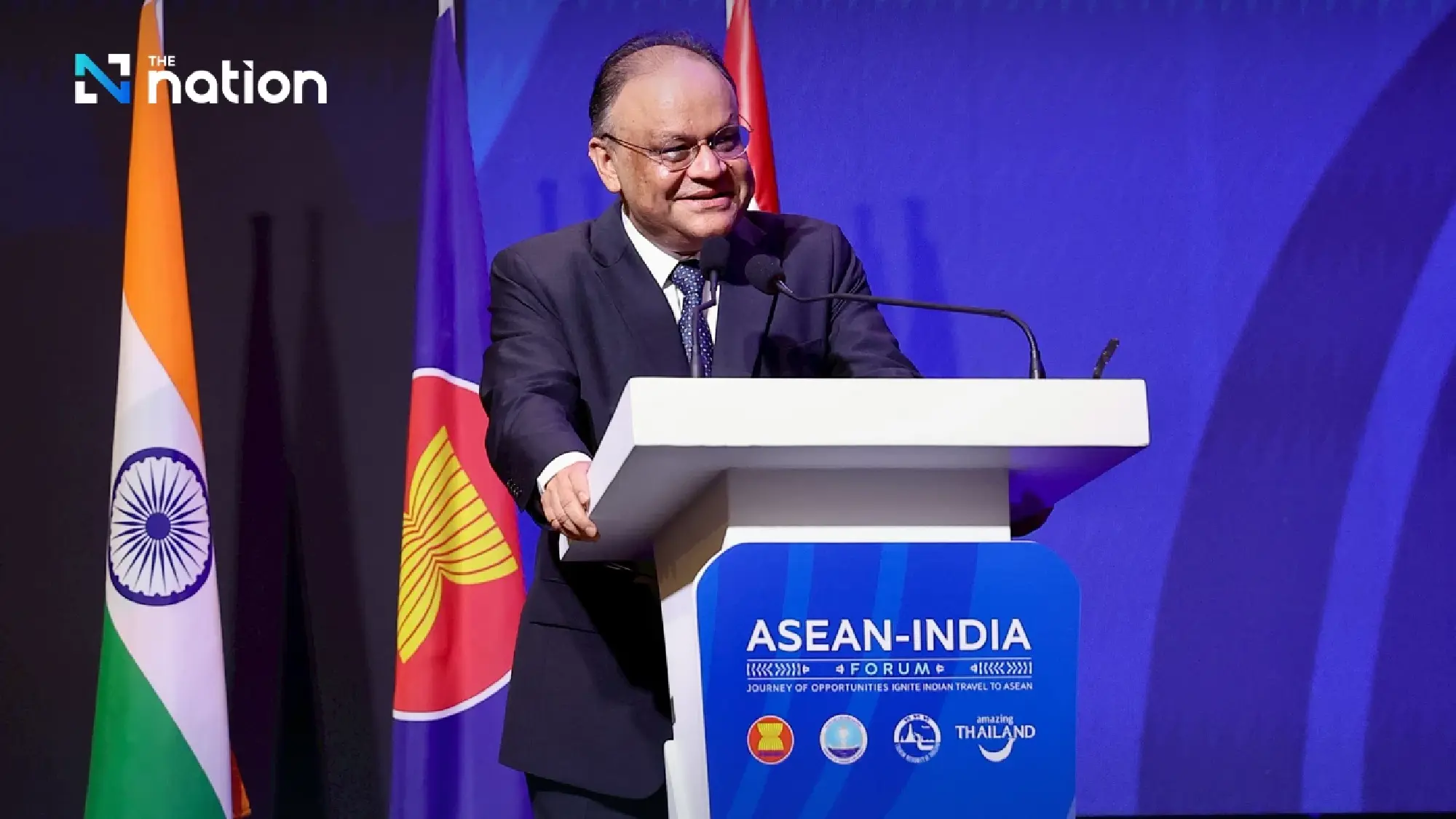
ASEAN Boosts Tourism Ties with India
Focus on Connectivity and Cultural Exchange for Growing Indian Market
Southeast Asian nations are strategically enhancing tourism partnerships with India, aiming to capitalize on a significant surge in Indian travelers. Discussions center on expanding air travel access and tailoring experiences to attract this vital demographic.
Regional Integration Drive
The Association of Southeast Asian Nations (ASEAN) is prioritizing regional integration and sustainable development as it looks toward 2025 and beyond, with India identified as a crucial partner. Undersecretary VERNA ESMERALDA C. BUENSUCESO of the Philippine Department of Tourism emphasized deepening political, economic, and social ties.
“We’ve seen a surge with over 5 million Indian travellers in 2024, facilitated by improved air connectivity and visa liberalisation policies across member states.”
—VERNA ESMERALDA C. BUENSUCESO, Undersecretary, Philippine Department of Tourism
Initiatives such as the ASEAN-India Year of Tourism 2025 are set to boost connectivity, promote eco-tourism, and foster cultural exchange. The Philippines will lead ASEAN’s tourism strategy post-2025, championing digital innovation and integrated travel packages.
Thailand’s Targeted Approach
Thailand has seen considerable success in attracting Indian tourists, with arrivals reaching 2 million in 2024, surpassing pre-pandemic levels. Deputy Governor for International Marketing at the Tourism Authority of Thailand (TAT), Pattaran Na Chiangmai, highlighted the effectiveness of tailored marketing strategies.
“Thailand’s tailored marketing strategies focus on wedding tourism, corporate events, cultural exchanges like Diwali festivals, Bollywood partnerships, and digital influencer campaigns.”
—Pattaran Na Chiangmai, Deputy Governor for International Marketing, Tourism Authority of Thailand (TAT)
These strategies encompass wedding tourism, corporate events, cultural festivals, and collaborations with Bollywood. Improving accessibility through visa facilitation and expanding multi-destination travel options are key objectives for Thailand to serve as a hub for Indian outbound travel. According to the World Tourism Organization, India’s outbound tourism market is projected to reach over 50 million travelers by 2025, highlighting the vast potential (Source: UNWTO Tourism Barometer, 2024).
Understanding Indian Traveler Preferences
Nikhil Sharma, Managing Director for South Asia at Radisson Hotels & Resorts, noted that Indian travelers often prioritize room upgrades and premium services over airfare. He emphasized the growing trend of multi-generational family travel and the need for amenities like vegetarian food options, Hindi-speaking staff, and child-friendly facilities.
“Culturally, Indians are accustomed to personalised service at home and expect the same level of attention in hotels. From Bollywood-inspired tourism to cricket-friendly packages, tailoring to cultural touchpoints can significantly boost appeal.”
—Nikhil Sharma, Managing Director for South Asia, Radisson Hotels & Resorts
Leveraging the Wedding Market
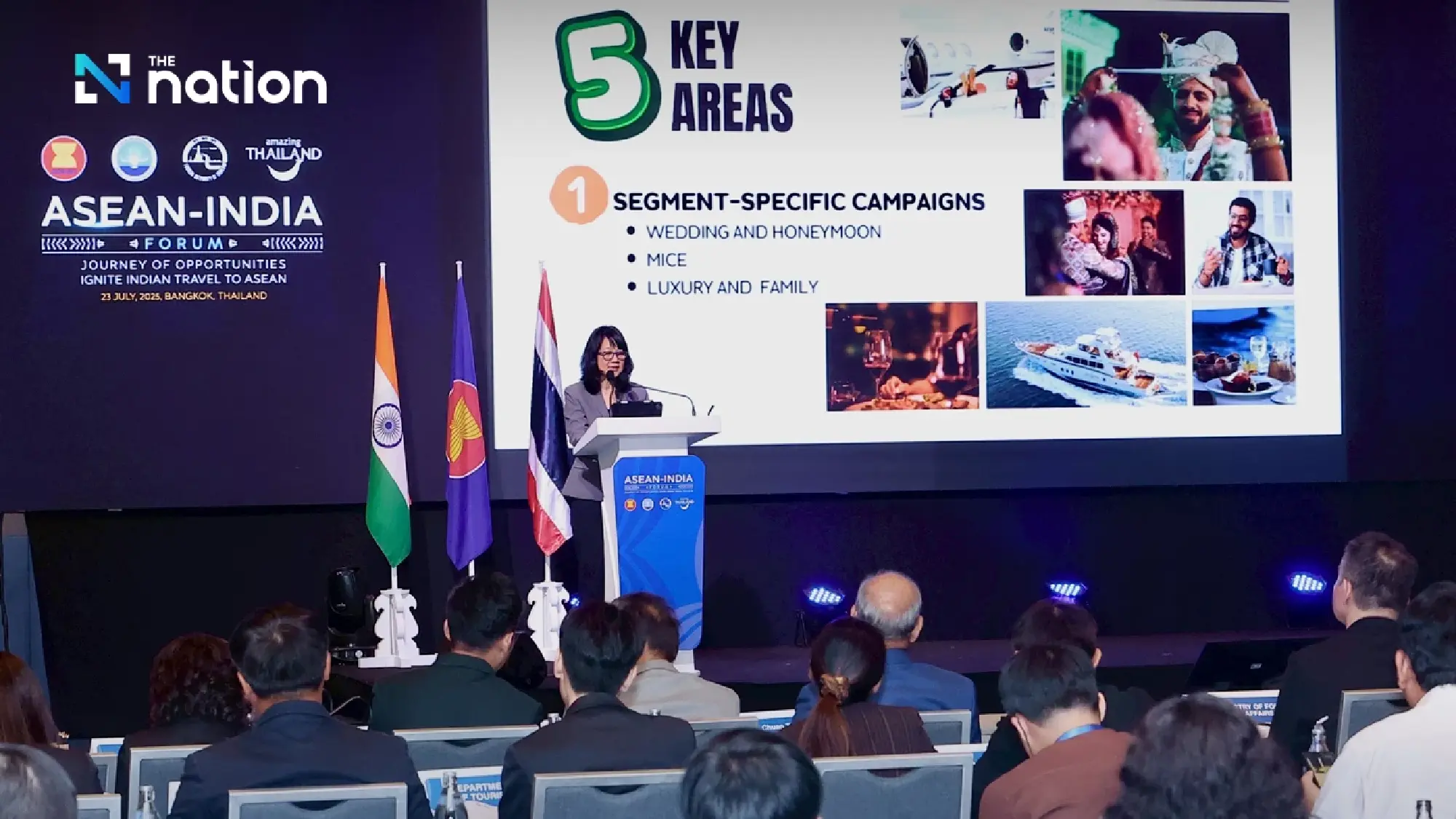
The lucrative Indian wedding market, valued at $130 billion and growing annually, presents a significant opportunity. Thailand is actively positioning itself to host large-scale destination weddings, which typically require culturally sensitive services, including extensive vegetarian catering and traditional ceremonies.
Collaborating with Indian celebrities and content creators is seen as a powerful marketing tool. Furthermore, incentivizing Indian film crews to shoot productions in the region, as suggested by Nikhil Sharma, could significantly enhance destination awareness.
Future Outlook
Moving forward, enhanced connectivity through improved air routes and cruise tourism, alongside policy coordination, is crucial. ASEAN Secretary-General Dr Kao Kim Hourn stressed the importance of inclusive, personalized, and sustainable experiences that cater to younger demographics and digital nomads.
Indian Ambassador to Thailand, Nagesh Singh, underscored the robust strategic partnership between India and ASEAN, noting significant trade and tourism flows. The focus remains on fostering mutual growth and cultural understanding, recognizing that today’s Indian travelers seek transformative journeys.