
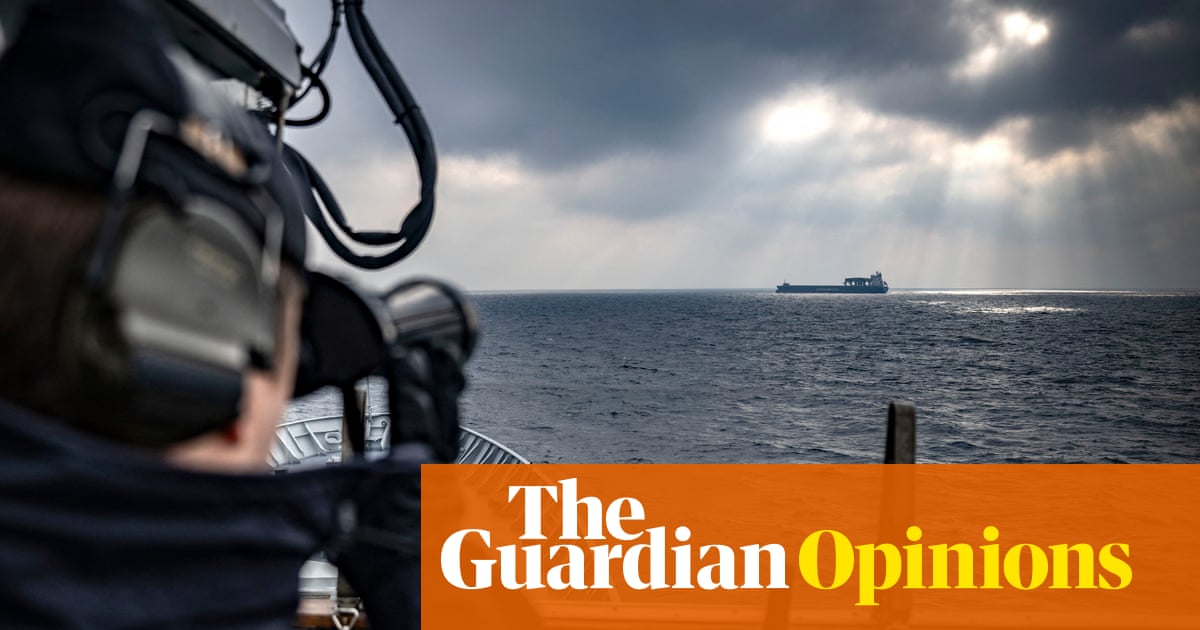
When Finland announced in January its collaboration with other Baltic Sea countries to create a maritime surveillance centre, it signaled a growing determination among regional actors to secure their waters independently. The move comes amid increasing concerns about the reliability of collective defense commitments, particularly from the United States, and a surge in activity by Russia’s shadow fleet and reported sabotage targeting critical undersea infrastructure.
The initiative reflects a broader shift in security thinking within the Baltic Sea region, spurred by a perceived waning of U.S. Commitment to NATO’s Article 5 mutual defense pledge. Former President Donald Trump has repeatedly questioned the value of the alliance and, as recently as February 2024, stated he would “encourage” Russia to attack any NATO member failing to meet agreed-upon defense spending targets. “If they don’t pay, I’m not going to defend them,” Trump said in March 2024, according to reports. This rhetoric has fueled anxieties among Baltic nations, particularly Estonia, Latvia, and Lithuania, which border Russia and have historically sought protection under the NATO umbrella.
The catalyst for increased regional cooperation was the September 2022 explosions that damaged the Nord Stream 1 and 2 pipelines, which run under the Baltic Sea. While the perpetrators remain unidentified, the incident exposed the vulnerability of critical infrastructure and prompted coastal states – excluding Russia – to enhance information-sharing and maritime surveillance. This collaboration has evolved to include the development of an AI-powered tool, Nordic Warden, designed to detect anomalies near undersea cables and pipelines, as well as expanded naval and coast guard patrols. A joint maritime patrolling service, Baltic Sentry, was established, operating under NATO’s umbrella but executed by the Baltic Sea nations themselves.
Estonia’s national security advisor, Erkki Tori, described 2023 as a “rude awakening” for his country, noting that Russia’s shadow fleet – vessels used to circumvent oil sanctions – is now being monitored not only in the Baltic Sea but in other waters as well. Tori emphasized the importance of operating within the bounds of international law while acknowledging the limitations of existing maritime regulations in addressing novel threats. “The international mechanisms that the world has were not built for things like this, but we’ve tried anyway – within the rule of law,” he said.
The Baltic Sea nations’ approach has begun to inspire similar actions elsewhere. In January 2026, the French navy seized a Russian-flagged tanker suspected of being involved in shadow trading, marking the second such intervention by France in recent months. This demonstrates a growing willingness among European nations to proactively enforce sanctions and protect maritime security, even outside of formal NATO operations.
Public opinion in Europe increasingly reflects a diminished confidence in U.S. Support for NATO. A June 2025 poll in Britain found that 51% of respondents considered it unlikely the U.S. Would defend the Baltic states in the event of a Russian attack. In Sweden, only a quarter of the population believes the U.S. Would reach to its aid if attacked. This skepticism underscores the demand for European nations to take greater responsibility for their own security, regardless of the future trajectory of U.S. Policy.
The localized cooperation demonstrated by the Baltic Sea nations offers a potential model for the future of NATO, allowing member states to enhance regional security without relying solely on U.S. Military capabilities. As Danish Prime Minister Mette Frederiksen stated during the 2024 Greenland crisis, NATO’s very existence would be called into question if the U.S. Were to attack the territory of a member state. The current situation highlights the imperative for smaller, more focused security partnerships within the alliance, even as questions linger about the long-term commitment of the United States.
In September 2025, President Trump issued an ultimatum to NATO allies, stating the U.S. Would only impose “major” sanctions on Russia if they agreed to halt oil purchases from the country and matched U.S. Sanctions efforts. He also called for the imposition of tariffs on China, linking these measures to a potential resolution of the war in Ukraine. The response from European nations remains uncertain, and the future of transatlantic security cooperation hangs in the balance.
