
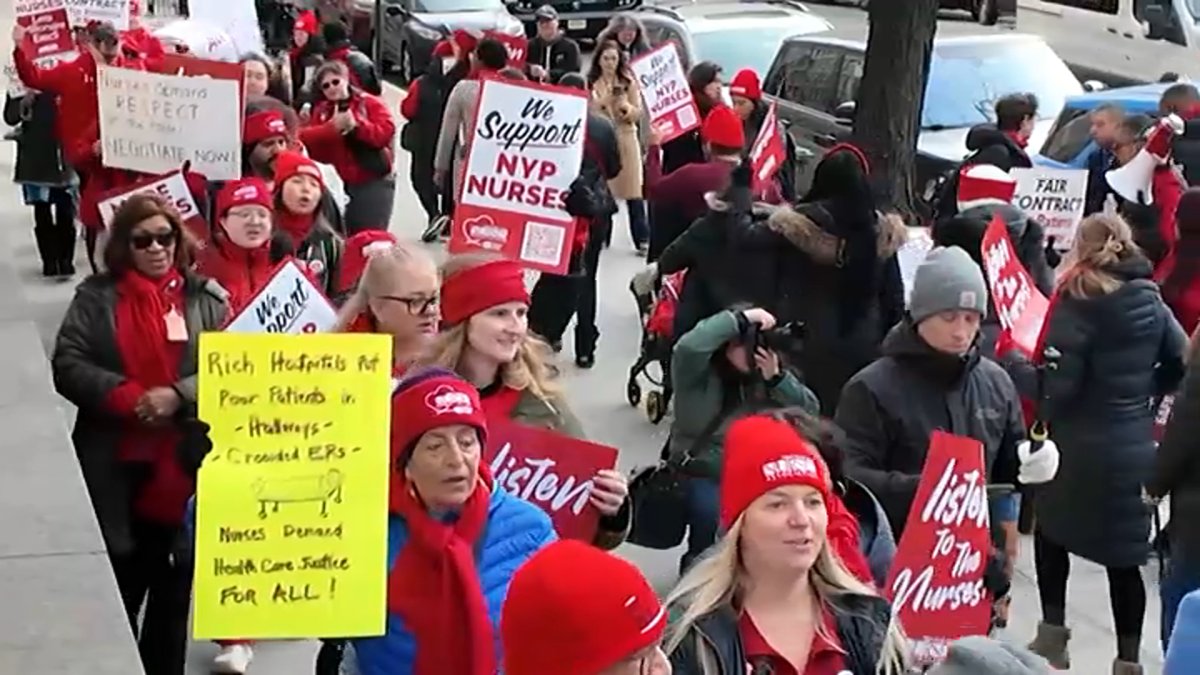
NYC Nurses Strike: A Battle for Safety, Staffing, and Fair Compensation
New York City is currently facing its largest nurses’ strike in history, as approximately 15,000 nurses at Mount Sinai, Montefiore, and NewYork-Presbyterian hospitals have walked off the job. The strike, wich began Monday, stems from stalled contract negotiations centered around critical issues of patient safety, staffing levels, and fair compensation. This action comes at a particularly challenging time, coinciding with one of the city’s most severe flu seasons in recent memory , potentially straining an already burdened healthcare system.
The Core Issues Driving the Strike
the New York State Nurses Association (NYSNA) is leading the strike, advocating for improvements in several key areas. While specific demands vary slightly between hospitals, the overarching concerns remain consistent:
Staffing Levels and Workload
Nurses argue that hospitals are consistently understaffed, leading to unmanageable workloads and compromising patient care. The union contends that hospitals prioritize profits over providing adequate resources for safe and effective nursing care. This isn’t simply about numbers; it’s about the quality of care patients receive when nurses are stretched to thin. Studies have repeatedly demonstrated a direct correlation between nurse-to-patient ratios and adverse patient outcomes, including increased mortality rates and medication errors.
Workplace Safety and Security
The demand for improved workplace safety gained urgency following a recent incident at a Brooklyn hospital where an individual with a weapon barricaded themselves inside, leading to a police confrontation . Nurses are seeking enhanced security measures to protect themselves and patients from potential violence. This includes improved protocols for handling potentially hazardous individuals and increased security personnel in high-risk areas.
Limitations on Artificial Intelligence
A newer, but increasingly crucial, concern is the hospitals’ use of artificial intelligence (AI). Nurses are seeking limitations on the implementation of AI in healthcare, fearing it could compromise patient care and potentially replace human expertise. The union wants to ensure that AI is used as a tool to *assist* nurses, not to *replace* them, and that patient safety remains paramount.
Building on Past Gains, Addressing Current Shortfalls
This isn’t the first time NYSNA nurses have taken to the picket lines. A similar strike in 2023 at Mount Sinai and Montefiore resulted in a three-year contract with a 19% pay raise and promises of staffing improvements. However, the union now alleges that hospitals are backtracking on those commitments, failing to adequately address the ongoing staffing crisis and maintain the agreed-upon safety standards. Specifically, nurses at Montefiore report that patients continue to be treated in hallways due to a lack of available beds, despite previous agreements to address this issue.
The Hospitals’ Response and Impact on Patient Care
the affected hospitals – Mount Sinai, NewYork-Presbyterian, and Montefiore – have stated they are prepared to minimize disruptions and are actively hiring temporary nurses to fill the gaps left by striking staff.Montefiore has assured patients that appointments will be maintained. However, the strike inevitably poses challenges. hospitals might potentially be forced to postpone non-emergency procedures, divert ambulances to other facilities, and potentially transfer patients to alleviate overcrowding. The strain on other hospitals in the city is a significant concern, as they may experience increased patient volumes and longer wait times.
Political Response and Ongoing Negotiations
The strike has garnered attention from city and state leaders. New York City Mayor Zohran Mamdani and Governor Kathy Hochul have both expressed concerns and urged both sides to reach a resolution that honors nurses and ensures continued access to healthcare. Mamdani emphasized the vital role nurses played during the COVID-19 pandemic, stating, “Our nurses kept this city alive through its hardest moments. Their value is not negotiable.”
Looking Ahead: What’s Next?
As negotiations continue, the outcome of this strike remains uncertain. The key to a resolution lies in finding common ground on the critical issues of staffing, safety, and fair compensation. the situation is fluid, and the duration of the strike will depend on the willingness of both sides to compromise.The impact on patients and the broader healthcare system will continue to be closely monitored as the strike unfolds.The outcome of these negotiations will likely set a precedent for future labor disputes within the healthcare industry, not just in New York City, but across the nation.
