
Trump Administration’s Greenland Ambitions and Implications for NATO
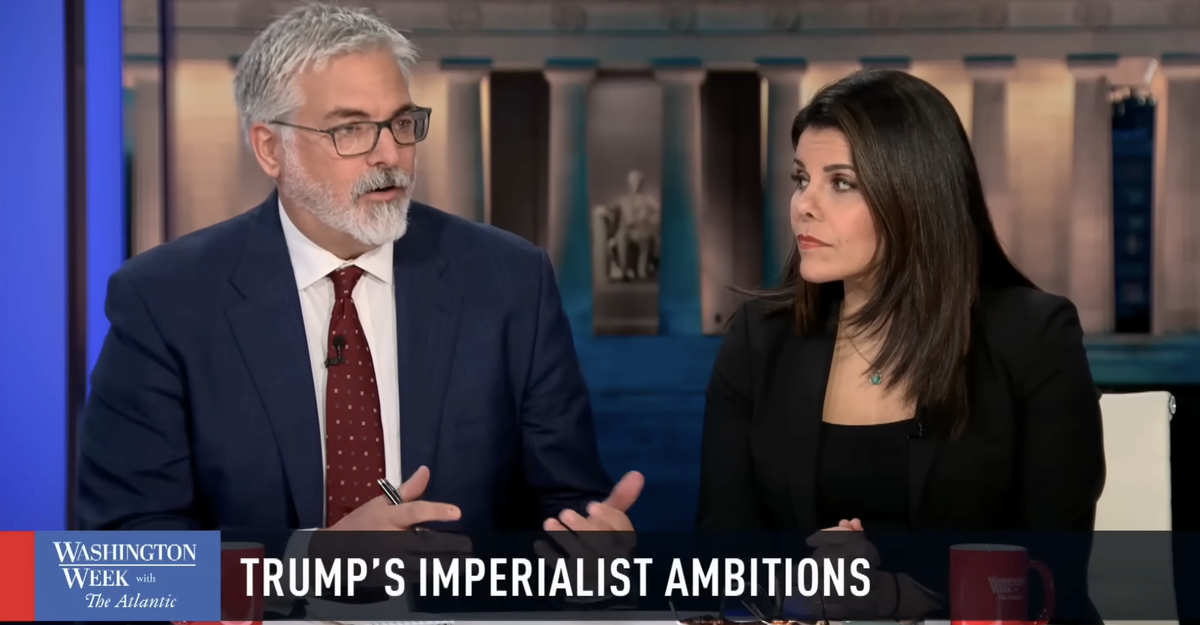
Recent discussions on Washington Week with The Atlantic highlighted a potentially meaningful shift in U.S. foreign policy: escalating threats from former President Donald Trump and his senior aide Stephen Miller to seize Greenland. This prospect, following the Trump administration’s intervention in Venezuela, raises complex questions about the united States’ relationship with its NATO allies and the broader geopolitical landscape. The conversation featured insights from a distinguished panel including Jeffrey Goldberg, editor in chief of The Atlantic; Peter Baker, chief White House correspondent for The New York Times; Susan Glasser, a staff writer at The New Yorker; Stephen Hayes, editor of The Dispatch; and Vivian Salama, a staff writer at The Atlantic.
Historical Context: Trump’s Interest in Greenland
The idea of the United States acquiring Greenland isn’t new, but it gained significant public attention in 2019 when then-President Trump reportedly expressed interest in purchasing the island from Denmark. This sparked considerable controversy and was met with firm rejection from the Danish Prime Minister Mette Frederiksen,who called the idea “absurd.” At the time, Trump publicly confirmed his consideration of a purchase, citing Greenland’s strategic importance and potential natural resources.
The renewed discussion, as highlighted on Washington Week, suggests that this interest hasn’t entirely dissipated, and the rhetoric surrounding potential acquisition has escalated beyond a simple purchase offer to include threats of seizure. This shift is especially concerning given the potential ramifications for international relations.
Why Greenland Matters: strategic and Resource Considerations
Greenland, the world’s largest island, holds significant strategic value for several reasons. Its location between North America and Europe makes it a crucial point for military surveillance and potential defense operations. With the Arctic region becoming increasingly accessible due to climate change, Greenland’s strategic importance is only growing.
- Military Positioning: Greenland offers potential locations for radar installations and other military infrastructure, enhancing North American Aerospace Defense command (NORAD) capabilities.
- Resource Potential: Greenland is believed to contain considerable reserves of valuable minerals, including rare earth elements crucial for modern technology and defense industries. A US Geological Survey assessment highlights the island’s potential in this area.
- Arctic Control: Control over Greenland would give the U.S. a stronger foothold in the Arctic, a region of increasing geopolitical competition between nations like Russia and China.
Implications for NATO and International Relations
Any attempt by the United States to seize Greenland would undoubtedly strain its relationship with Denmark, a key NATO ally. Denmark has consistently maintained its sovereignty over Greenland, and any unilateral action by the U.S. would be viewed as a violation of international law and a breach of trust within the alliance.
The panelists on Washington Week emphasized the potential for a broader crisis within NATO. Such a move could embolden adversaries like Russia to challenge the existing international order and question the reliability of U.S. commitments to its allies. It could also create a precedent for other nations to pursue aggressive territorial claims.
Moreover,the discussion touched upon the potential for a diplomatic backlash from other nations,including those with interests in the Arctic region. A unilateral seizure of Greenland would likely be condemned by the United Nations and could lead to economic sanctions or other punitive measures against the United States.
The Domestic Political Context
The renewed focus on Greenland also reflects the domestic political dynamics within the United States. stephen Miller, a key architect of Trump’s restrictive immigration policies, has long advocated for a more nationalist and assertive foreign policy. his continued influence suggests that the idea of acquiring Greenland may be part of a broader strategy to project American power and secure access to critical resources.
However, the feasibility of such a move is questionable, given the strong opposition from Denmark and the potential international consequences. The panelists noted that any attempt to seize Greenland would likely face significant legal and logistical challenges.
Looking Ahead
The situation surrounding Greenland remains fluid and unpredictable. While the likelihood of an actual seizure is currently considered low, the rhetoric and continued interest from figures like Trump and Miller warrant close attention. The potential implications for NATO, international law, and the geopolitical landscape are significant. continued dialog and diplomatic efforts will be crucial to de-escalate tensions and prevent a crisis.
Watch the full episode of Washington Week With The atlantic here for a more in-depth discussion of this complex issue.
