
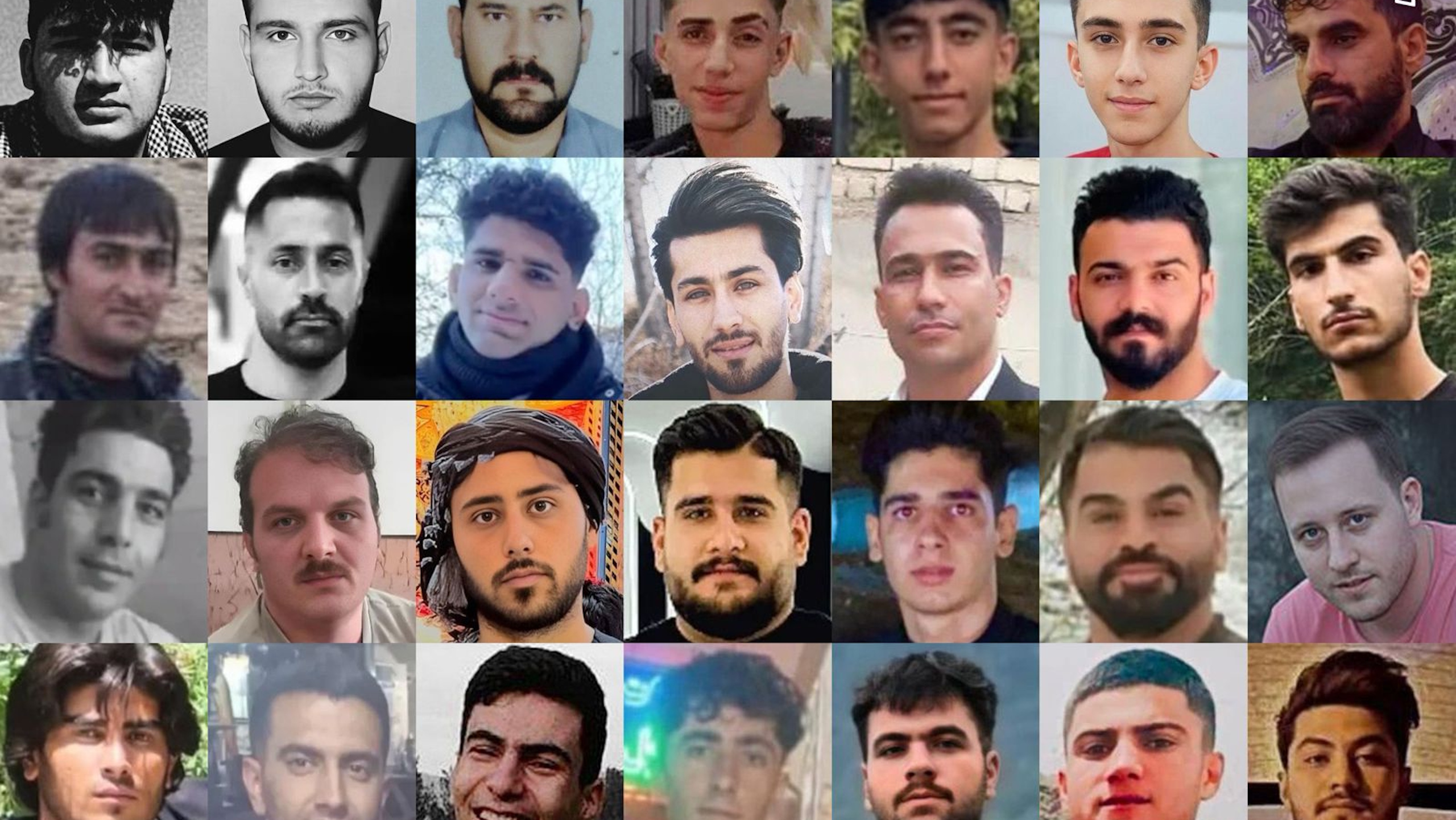
Iran’s Escalating Crackdown on Protests: A Deep Dive into Violence and Human Rights Abuses
January 11, 2026 – A wave of escalating violence and repression is gripping Iran as authorities respond too widespread protests with lethal force and mass arbitrary arrests. Beginning on December 28, 2025, demonstrations ignited by a deepening economic crisis and widespread discontent with the Islamic Republic have been met with a brutal crackdown, raising serious concerns about systemic human rights abuses.Reports from Amnesty International and Human Rights Watch detail a disturbing pattern of unlawful killings, torture, and the targeting of peaceful protesters, including children.
The Roots of Discontent and the Spark of Protest
The protests that erupted across Iran in late December 2025 are rooted in a complex web of socio-economic and political grievances.A sharp currency collapse, soaring inflation, and chronic mismanagement of essential services – especially access to water – have fueled widespread frustration amongst the Iranian population. Thes economic hardships are coupled with growing dissatisfaction with the restrictive political system and a desire for greater freedom and human rights. The demonstrations began with shop closures and strikes in Tehran’s Grand Bazaar before quickly expanding nationwide, evolving into calls for fundamental political change and the downfall of the Islamic republic.
A Deadly Crackdown: Widespread Violence and Unlawful Killings
Since the protests began, Iranian security forces, including the Islamic Revolutionary Guard Corps (IRGC) and the national police force (FARAJA), have unleashed a brutal crackdown on demonstrators. Amnesty International and Human Rights Watch have documented the unlawful use of force, including rifles, shotguns loaded with metal pellets, water cannons, tear gas, and physical beatings, against largely peaceful protesters. Between December 31,2025,and January 3,2026,at least 28 protesters and bystanders,including children,were killed across 13 cities in eight provinces.
Diana Eltahawy, Amnesty International’s Deputy Director for the Middle East and North africa, condemned the crackdown, stating, “People in Iran daring to express their anger at decades of repression and demand fundamental change are once again being met with a deadly pattern of security forces unlawfully firing at, chasing, arresting and beating protesters, in scenes reminiscent of the Woman Life Freedom uprising of 2022. Iran’s top security body, the Supreme National Security Council, must promptly issue orders for security forces to stop the unlawful use of force and firearms.”
The Provinces Most Affected
The provinces of Lorestan and Ilam, home to Kurdish and Luri ethnic minorities, have been particularly hard hit by the violence. At least eight protesters were killed in Lorestan, and five were killed in Ilam. Other provinces reporting deaths include Chaharmahal and Bakhtiari, Fars, and Kermanshah, each with at least four deaths, as well as esfahan, Hamedan, and Qom, each with one confirmed fatality.
Specific Cases of Violence
eyewitness accounts and verified video footage paint a harrowing picture of the violence. In Azna,Lorestan province,security forces opened fire on peaceful protesters near the county governor’s office on January 1,2026.Six protesters were killed including Vahab Mousavi, Mostafa Falahi, Shayan Asadollahi, Ahmadreza Amani, and Reza Moradi Abdolvand. The authorities have also withheld the body of Taha Safari, a 16-year-old boy who went missing during the protests, reportedly showing his family images of his severely injured body before threatening them with repercussions if they spoke out.
Similarly, in Malekshahi, Ilam province, agents opened fire on protesters from within an IRGC Basij base without regard for civilian lives. Three protesters – Reza Azimzadeh, Latif Karimi, and Mehdi Emamipour – were killed instantly, and two others, Fares (Mohsen) Agha Mohammadi and Mohammad Reza Karami, died later from their injuries.
Grave Injuries and attacks on Healthcare
Beyond the fatalities, hundreds of protesters have sustained severe injuries, many as a result of the widespread use of metal pellets fired from shotguns. These pellets have caused head and eye injuries, as well as other debilitating wounds. The presence of security forces within hospitals is actively deterring injured protesters from seeking medical attention, exacerbating the crisis. further escalating the situation, security forces attacked Imam Khomeini Hospital in Ilam on January 4, 2026, firing shotguns and tear gas into the hospital grounds, beating patients, relatives, and medical staff.
Mass Arbitrary Arrests and Coerced Confessions
The crackdown is not limited to physical violence. Security forces have engaged in mass arbitrary arrests,detaining hundreds of protesters,including children as young as 14,during protest dispersals and nighttime raids. Many are subjected to enforced disappearance and incommunicado detention, raising fears of torture and other ill-treatment. Authorities have already begun broadcasting coerced “confessions” from detainees,a tactic frequently enough used to intimidate and silence dissent. On January 5, 2026, Tasnim News, a media outlet affiliated with the IRGC, aired forced confessions from an 18-year-old woman and a 16-year-old girl, accusing them of “leading riots.”
Rhetoric of Repression and Impunity
Senior state officials have been actively demonizing protesters as “rioters” and vowing a “firm” crackdown. Supreme Leader Ali Khamenei, on January 3, 2026, declared that “rioters should be put in their place.” The IRGC’s provincial corps in Lorestan province announced the end of “tolerance” and pledged to target “rioters, organizers, and leaders of anti-security movements … without leniency.” Similar directives have been issued by the Head of the Judiciary, calling for “no leniency” towards protesters and the expedited processing of their trials.
This rhetoric, combined with the documented pattern of impunity for security force abuses, creates a climate of fear and emboldens further violence. The systemic impunity exhibited by Iranian authorities has been extensively documented by Amnesty International and Human Rights Watch,increasing the likelihood that these abuses will continue unchecked.
International Response and Calls for Accountability
Amnesty International and Human Rights Watch are urging UN member states and regional bodies, such as the EU, to issue unequivocal public condemnations and undertake urgent diplomatic action to pressure the Iranian authorities to halt the bloodshed and respect human rights. Given the established pattern of impunity, the organizations are also calling for international prosecution of Iranian officials responsible for these crimes under the principle of worldwide jurisdiction.
What is Universal Jurisdiction?
Universal jurisdiction is a legal principle that allows national courts to prosecute individuals for certain serious international crimes—such as genocide, war crimes, and crimes against humanity—regardless of where the crime was committed, the nationality of the perpetrator, or the nationality of the victim. This principle aims to ensure accountability for the most heinous crimes and to prevent impunity.
Looking Ahead: A Climate of Fear and Uncertainty
The current crackdown on protests in Iran represents a notable escalation of repression and a clear violation of international human rights standards. The continued use of lethal force, mass arbitrary arrests, and coerced confessions signals a disturbing trend towards increased authoritarianism. Without robust international pressure and a commitment to accountability, the situation is likely to deteriorate further, leaving the Iranian people facing a future marked by fear and limited freedoms.
