
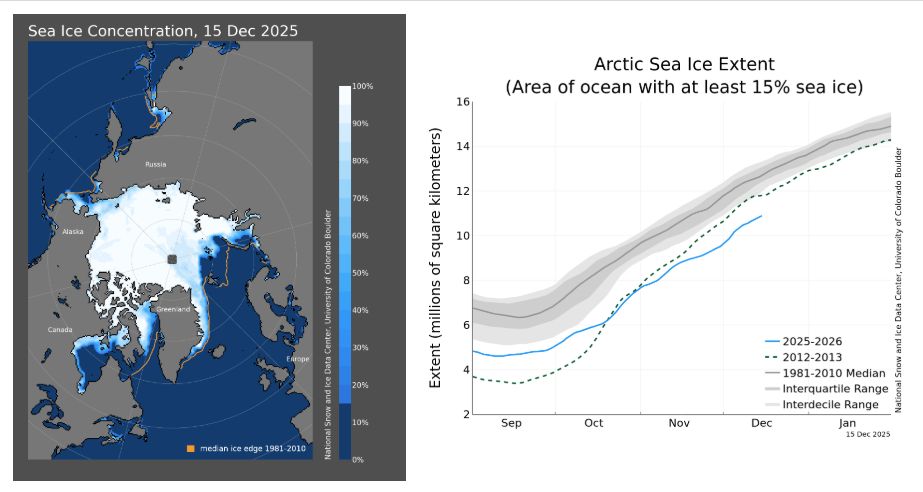
Arctic is now at the center of a structural shift involving accelerated warming and sea‑ice loss. The immediate implication is a reshaping of geopolitical competition over emerging maritime routes and untapped natural resources.
The Strategic Context
The Arctic has long been a peripheral frontier, but over the past two decades it has moved to the forefront of global strategic calculations. Ancient climate records show that the region is warming up to four times faster than the planet producing record‑high temperatures and unprecedented sea‑ice retreat. This physical change reduces the seasonal barrier that has limited navigation, opening the Northwest Passage and the northern Sea Route to commercial traffic. Simultaneously occurring, melting ice exposes previously inaccessible hydrocarbon deposits and mineral wealth.These environmental trends intersect with broader structural forces: a multipolar world where great powers-notably the United States, Russia, and China-seek to secure energy supplies, trade routes, and strategic footholds; a global energy transition that heightens competition for remaining fossil resources; and evolving international governance frameworks such as the Arctic Council, which balance cooperation with rivalry.
Core Analysis: Incentives & Constraints
Source Signals: The recent NOAA Arctic report documents the warmest year on record (2024‑2025), the highest sea‑surface temperatures in the Atlantic sector (+7 °C), and sea‑ice extents that hit historic minima twice within the same year.It also notes a shift toward rain rather than snow, record precipitation levels, and the omission of any direct link to fossil‑fuel production in the agency’s commentary. Observers highlight that some actors view the melting ice as an economic opportunity rather than a conservation imperative.
WTN Interpretation: The incentives driving these observations are rooted in the strategic value of an ice‑free Arctic.Russia leverages its legacy icebreaker fleet and Arctic ports to claim dominance over the Northern Sea Route, seeking revenue from transit fees and access to offshore energy fields. China,through its “Polar Silk Road” initiative,invests in research stations and seeks participation in Arctic governance to secure future resource contracts. The United States, while historically less active, is motivated to preserve freedom of navigation and counterbalance Russian and Chinese influence, prompting renewed military and scientific deployments.Energy corporations see a short‑term profit window in exploiting newly exposed hydrocarbon basins, aligning with national policies that still permit Arctic drilling. Constraints include the logistical difficulty of operating in extreme conditions, growing environmental regulations, indigenous community rights, and the risk that accelerated ice loss could trigger feedback loops that destabilize global climate, potentially prompting international backlash or stricter emissions controls.
WTN Strategic Insight
“The Arctic’s rapid warming is not merely an environmental alarm; it is a catalyst that accelerates the contest for new maritime corridors and untapped resources.”
Future Outlook: Scenario Paths & Key Indicators
Baseline Path: If the current warming trend continues at its observed rate, sea‑ice extent will keep shrinking seasonally, allowing incremental growth in commercial shipping through the Northwest Passage and Northern Sea Route. Nations will pursue modest policy adjustments-such as updated navigation guidelines and limited infrastructure investment-while maintaining a cooperative stance within the Arctic Council. Energy firms will cautiously expand exploration activities, balancing market demand with regulatory scrutiny.
Risk Path: If a combination of accelerated ice melt and geopolitical friction emerges-e.g., a contested transit incident or a sudden surge in resource extraction-tensions could rise sharply. This could trigger a security dilemma, prompting increased military presence, contested claims, and potential sanctions. A rapid opening of routes might also outpace the development of safety and environmental safeguards,leading to accidents that could provoke international condemnation and stricter governance measures.
- Indicator 1: Quarterly Arctic sea‑ice extent data released by NOAA (next update expected within three months).
- Indicator 2: AIS‑based shipping traffic volumes through the Northern Sea Route and Northwest Passage during the upcoming summer navigation window.
- indicator 3: Agenda and outcomes of the next Arctic Council meeting (scheduled in six months),particularly any decisions on navigation protocols or resource licensing.
