
.
The European Council is now at the center of a structural shift involving the financing of Ukraine. The immediate implication is a test of EU fiscal cohesion and the future use of frozen sovereign assets as a financing tool.
The Strategic Context
Since Russia’s invasion, the EU has relied on a mix of budgetary reallocations, national contributions, and ad‑hoc mechanisms too support Kyiv. The scale of the conflict has outstripped customary aid channels, prompting a search for durable financing. Two structural forces dominate: (1) the EU’s limited fiscal capacity under the Stability and Growth Pact, which constrains direct budgetary transfers, and (2) the existence of a large pool of frozen Russian sovereign assets held in EU clearing houses, notably Euroclear. These assets represent a quasi‑public resource that could be mobilised without immediate budgetary outlays, but their use raises legal, political, and risk‑allocation questions that intersect with the EU’s broader ambition to deepen fiscal integration.
Core Analysis: Incentives & Constraints
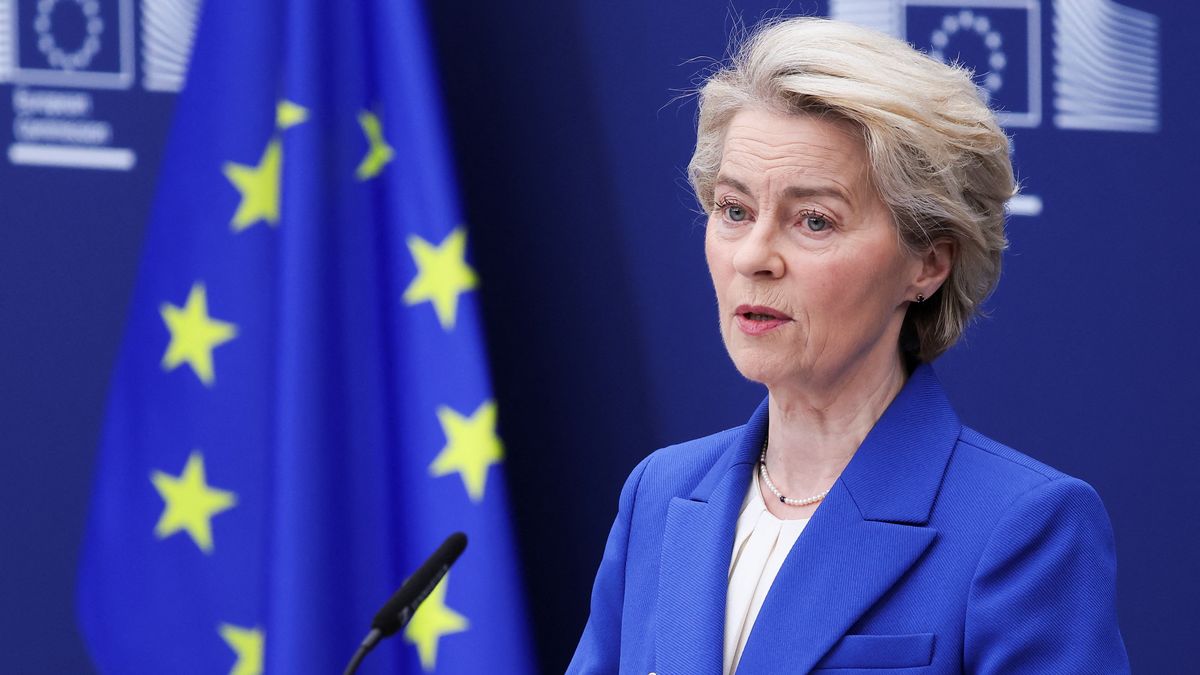
Source Signals: The European Council president pledged to secure two‑year funding for Ukraine. Ursula von der Leyen presented two options: a joint EU loan or the use of frozen Russian assets. Germany, the Nordics, and some Eastern European states favour the asset‑based route, while Hungary rejected it as “dead.” Belgium and Italy promote a joint loan, whereas Slovakia and Belgium express concerns about legal exposure linked to Euroclear‑held assets. Czech Prime Minister Andrej Babiš also rejected asset use,insisting on traditional borrowing without extra guarantees.
WTN Interpretation: The split reflects deeper fault lines in EU fiscal solidarity. Countries with larger current‑account surpluses (Germany, the Nordics) see frozen assets as a low‑cost lever that avoids new debt issuance, leveraging their strong balance sheets to support a collective solution. Conversely, states wary of legal retaliation (Hungary, Slovakia, Belgium) prioritize sovereign risk containment, fearing that asset‑based financing could expose them to litigation or reciprocal asset freezes. The Czech stance underscores a preference for conventional borrowing,preserving the legal clean‑room around frozen assets and maintaining bargaining power for future negotiations on EU budget reforms. The debate also signals the EU’s struggle to balance immediate security needs with long‑term fiscal architecture, where any precedent on asset utilisation could reshape the union’s approach to sovereign wealth and crisis financing.
WTN Strategic Insight
”The EU’s choice between a joint loan and frozen‑asset mobilisation will become a litmus test for the Union’s ability to convert ad‑hoc crisis response into a durable fiscal integration pathway.”
Future Outlook: Scenario Paths & Key Indicators
Baseline Path: If consensus coalesces around a joint EU loan, member states will negotiate a shared guarantee framework, likely tying the loan to future EU budget reforms. This would preserve the legal shield around frozen assets, maintain fiscal discipline, and reinforce the EU’s collective borrowing capacity, albeit with increased debt exposure for participating states.
Risk Path: If the asset‑based option gains traction despite legal concerns, the EU could proceed with a structured “reparations loan” backed by frozen Russian assets. This would set a precedent for using seized sovereign wealth in crisis financing, potentially inviting reciprocal actions from other major powers and increasing litigation risk for member states hosting the assets.
- Indicator 1: Outcome of the European Council’s financing decision (loan vs. asset use) at the upcoming summit.
- Indicator 2: Legal developments in the European court of Justice or national courts concerning the use of frozen sovereign assets, especially any rulings involving Euroclear.
