
Renewed Military Presence in Puerto Rico Sparks outcry and Revives Vieques Trauma
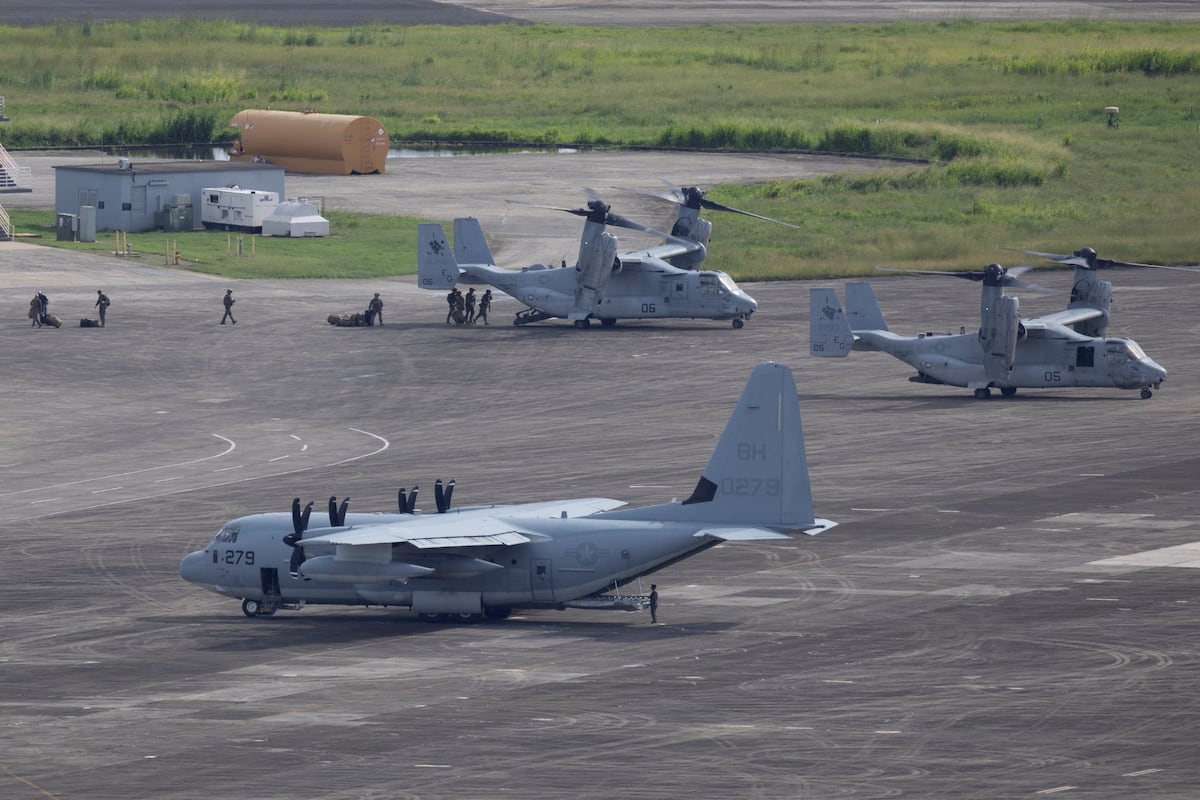
The resurgence of military activity in Puerto Rico, linked to escalating tensions with Venezuela, is triggering protests and reigniting long-held anxieties stemming from decades of US Navy presence, particularly on the island of Vieques. Recent developments, including the reactivation of Roosevelt Roads Naval Station and a preventative FAA advisory, have raised fears of a return to the extensive militarization Puerto Rico experienced for much of the 20th century.
Roosevelt Roads, originally conceived as an extension of the Navy’s operations, was shuttered following the tragic death of David Sanes, a 35-year-old Vieques security guard. Sanes was killed in 1999 when Navy ordnance accidentally struck a surveillance post where he worked. This incident became a focal point in the widespread protests that ultimately lead to the Navy’s departure from Vieques after 60 years of use as a bombing range and training ground.
However, the legacy of that military presence continues to plague Viequenses. The US government has yet to fully remediate the unexploded ordnance left behind, posing ongoing safety risks. Furthermore, studies indicate disproportionately high levels of toxic metals - including mercury, uranium, and arsenic - in the hair and urine of Vieques residents. These residents also experience substantially higher rates of cancer, heart disease, liver disease, diabetes, and infant mortality compared to other Puerto Ricans.
The recent authorization allowing the military to store ammunition in Vieques, beginning in January, has intensified these concerns. Juan Dalmau, a prominent figure with the Puerto Rican Independence Party (PIP) who placed second in the last gubernatorial election, has publicly condemned the move. In a letter addressed to Governor Pedro González,Dalmau accused the US Navy of failing to address the environmental damage caused by decades of bombing and criticized the current management for passively allowing Vieques to be used as a “military dumping ground.”
Governor González has responded by stating that Vieques was not considered in discussions regarding the military deployment in Puerto Rico and the Caribbean related to the situation with Venezuela, and was not slated for exercises. She also noted military presence in Aguadilla and Camp Santiago, in Salinas.
Adding to the heightened alert, the FAA issued a preventative advisory for all Puerto Rican airspace, effective from November 18, 2025, to February 16, 2026, citing a “possibly dangerous situation” due to increased military operations.
The renewed militarization is facing opposition from both political leaders and citizens. New York Congresswoman Nydia velázquez, the highest-ranking puerto Rican in Congress, voiced her concerns in a recent interview, criticizing the use of Puerto Rico “as a platform to attack Venezuela.” Demonstrations have also taken place across the island, with protesters carrying signs demanding “gringos out of the Caribbean!” - a clear expression of the deep-seated resentment and fear surrounding the return of a meaningful US military presence.
