
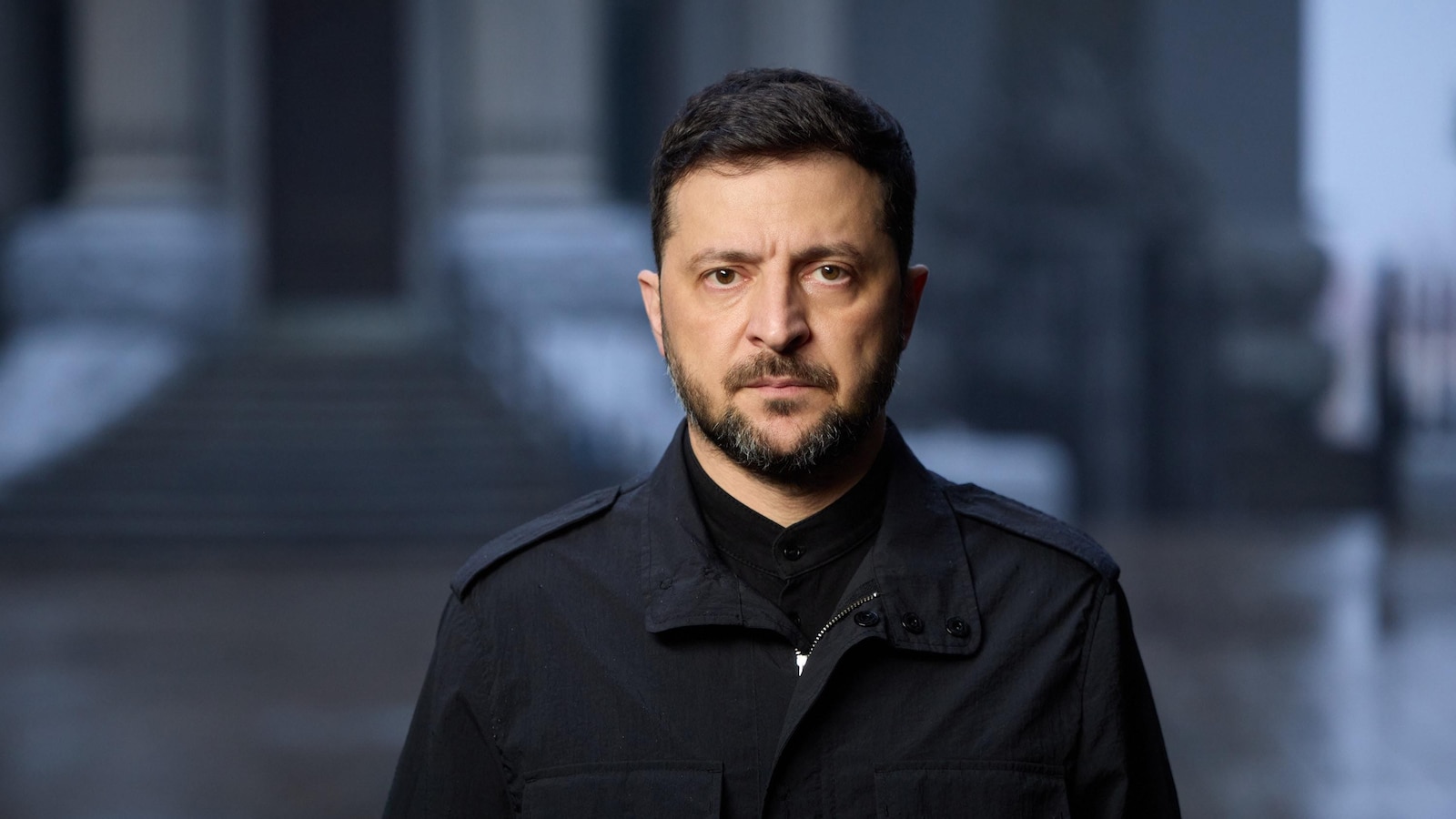
Proposed Ukraine Peace Plan Puts Zelenskyy in Diplomatic Bind
WASHINGTON – A potential peace plan circulating between the United States and Russia is placing Ukrainian President Volodymyr Zelenskyy in a precarious position, demanding concessions that could reshape Ukraine’s future and straining its relationship with key ally, the U.S. The proposal, details of which are emerging as the war enters its third year, calls for meaningful compromises from Ukraine, including potential constitutional changes regarding neutrality and language policy, while offering Russia access to $100 billion of its frozen assets for Ukrainian reconstruction.
The plan’s emergence underscores the growing pressure for a negotiated end to the conflict, even as fighting continues. Zelenskyy faces a difficult balancing act: rejecting the plan risks alienating a potential future U.S. governance under Donald Trump, while accepting it could jeopardize Ukraine’s sovereignty and territorial integrity. The proposal’s stipulations-particularly those requiring constitutional amendments-would necessitate navigating Ukraine’s parliament, adding another layer of complexity to an already fraught situation.
According to Ukrainian political analyst Volodymyr Fesenko, accepting the plan would be “catastrophic” for Zelenskyy. However, he cautioned that outright refusal may not be an option, stating, “But the problem is, we can’t say no to Trump because there will fierce pressure from the White House.”
The proposed framework includes a demand that Ukraine declare neutrality, a long-standing Russian objective, and grant official status to the Russian language. Implementing these changes would require revisions to Ukraine’s constitution, a process that falls under the purview of the Ukrainian parliament, not the president alone. Fesenko suggested a potential compromise: “Ukraine could offer to hold a referendum on these issues – that’s a compromise.”
A central component of the plan involves the investment of $100 billion of frozen Russian assets in rebuilding Ukraine. However, Russian officials have strongly objected to this provision. Kremlin spokesman Dmitry Peskov recently warned that any attempt to seize or utilize these assets would result in prosecution and accountability for those involved.
The situation is further complicated by reports from human rights experts who assert that Russia’s treatment of Ukrainian civilians and prisoners of war constitutes a crime against humanity. This backdrop of alleged atrocities adds significant weight to the stakes of any potential peace negotiations.
