
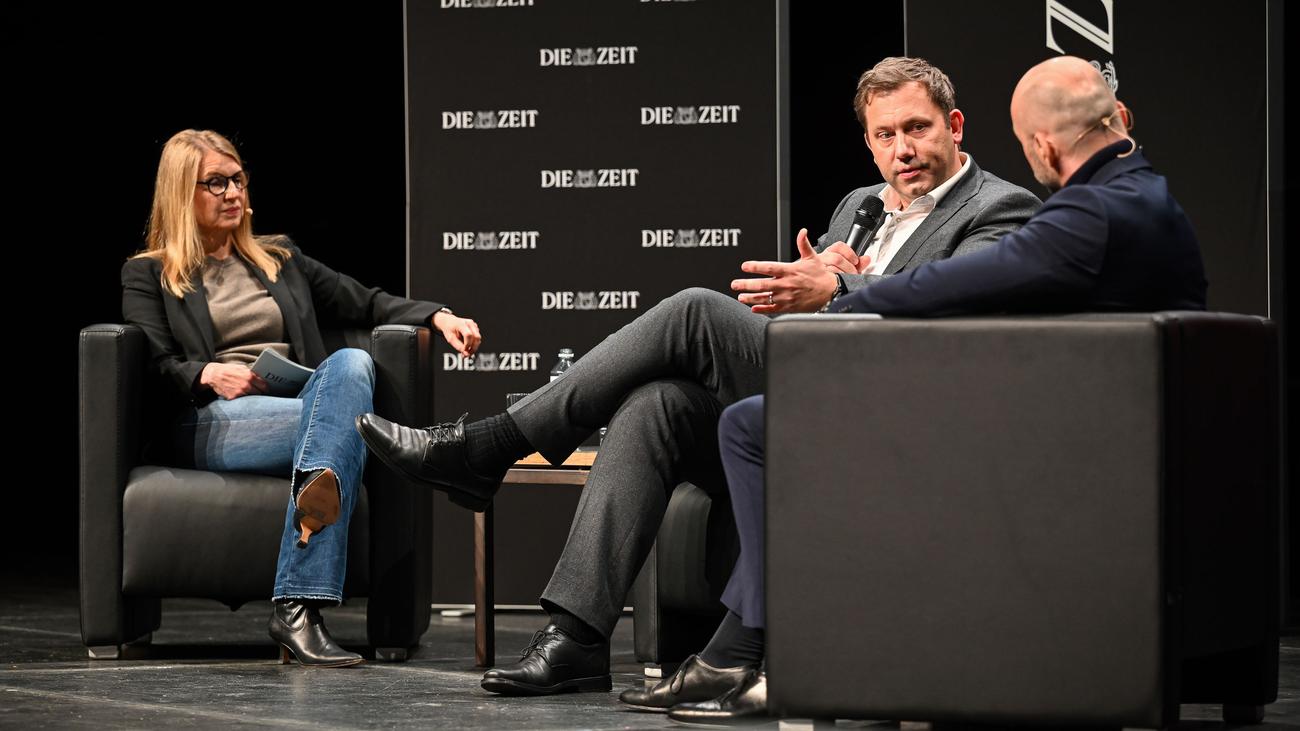
SPD‘s Klingbeil Condemns Membership Requests for Sanctioned Individuals
Berlin, Germany – November 10, 2025 – Lars klingbeil, chairman of the Social Democratic Party (SPD), sharply criticized recent membership applications from individuals facing sanctions, deeming them a “wrong signal” and raising questions about due diligence within the party. Klingbeil’s comments come amid increasing scrutiny of potential loopholes allowing sanctioned persons to affiliate with German political organizations.
The controversy centers on applications submitted by individuals linked to Russia, whose assets have been frozen by the European Union in response to the ongoing conflict in Ukraine. While German law does not explicitly prohibit membership in political parties for sanctioned individuals, Klingbeil argued that accepting such applications undermines the credibility of the SPD and the collective effort to enforce international sanctions. He emphasized the importance of upholding the principles of the rule of law and demonstrating solidarity with Ukraine.
Klingbeil’s remarks follow reports that several SPD local chapters were considering the applications, prompting internal debate within the party. The SPD leadership is now reviewing its membership guidelines to clarify the process for vetting applicants and prevent similar situations from arising in the future. The incident has sparked a wider discussion about the potential for sanctioned individuals to exploit legal ambiguities to gain influence within German political structures.
Friedrich Merz, leader of the Christian Democratic Union (CDU), also weighed in on the matter, echoing Klingbeil’s concerns and calling for a thorough examination into the applications. The debate highlights the growing challenges faced by German political parties in navigating the complex landscape of international sanctions and maintaining public trust.
