
CARACAS – Venezuelan President Nicolás Maduro has signaled an escalation of state surveillance, announcing measures to reinforce social control amid heightened tensions with the United States. The move, framed by the government as a bolstering of “public security,” raises concerns about further restrictions on political opposition and civil liberties.
The announcement comes as the Maduro regime responds to what it perceives as an offensive launched by the White House and navigates increasing diplomatic and military pressure from Washington. In response, the government is tightening its grip on the population.
Shortly before Maduro’s statement, Interior Minister and Vice President Diosdado Cabello announced the widespread installation of surveillance cameras under the ”Peace Quadrants“ initiative. A visible increase in the presence of state security forces has been reported in Caracas and other major cities.
Maduro has also floated the possibility of a “Foreign Shock decree,” a measure lacking clear constitutional basis that would grant broad powers to the executive branch. The decree could be used to target sectors of the opposition accused of inciting violence or collaborating with foreign powers, potentially punishing those deemed to have encouraged “the murder of people or military actions against the homeland.”
This escalation builds upon an existing network of government informants known as ”cooperating patriots,” established in 2011 and actively promoted by Cabello.These informants, often Chavista militants and activists, report suspicious activity and denounce perceived dissent within communities.
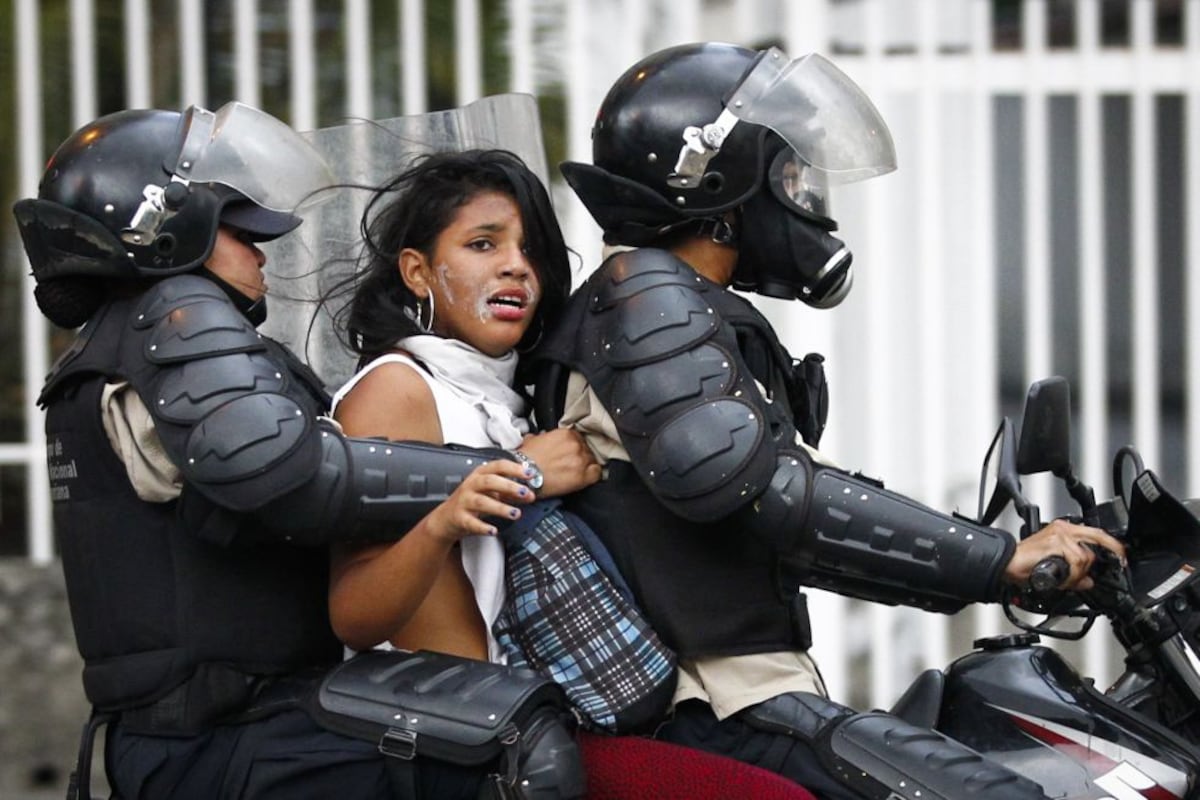
The system has been especially active following periods of political unrest, such as the protests that erupted after the July 2024 presidential elections, where Maduro was declared the winner. Reports indicate that over 1,000 individuals detained as the election were identified by Chavista militants and “cooperating patriots.”
The “cooperating patriots” have had a variable intensity as reporting agents, with cabello frequently referencing anonymous complaints on his television programs to target political opponents. The measures represent a continuation of the Bolivarian regime’s long-standing efforts to consolidate political and social control.
