
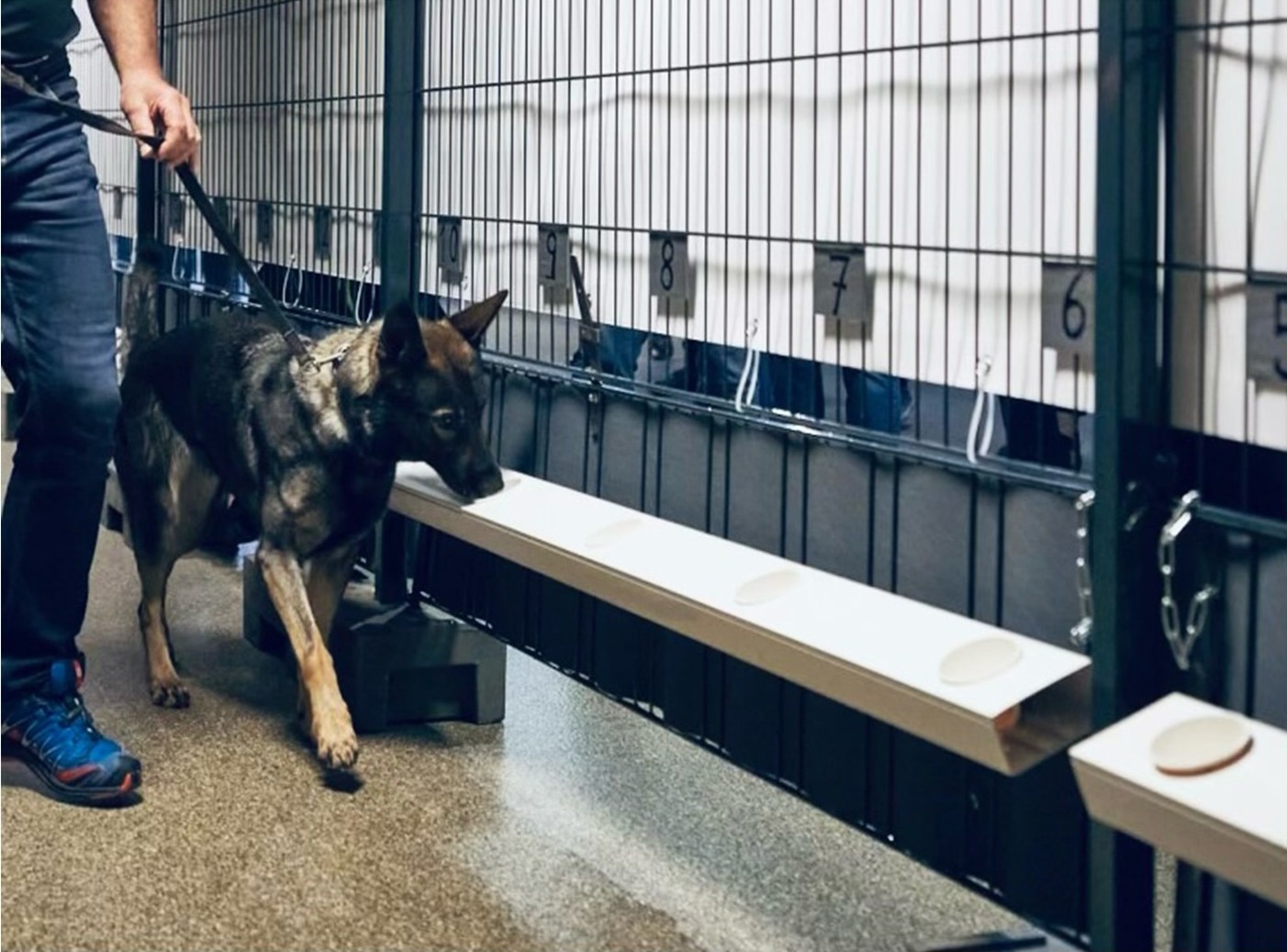
Summary of the Research on Canine Detection of COVID-19
This research investigated public perception of using detection dogs to screen for SARS-CoV-2, specifically within the context of live concerts.Here’s a breakdown of the key aspects:
Study Design:
Participants: 4,124 individuals initially, with 1,315 completing both pre- and post-concert surveys. Concert attendance totaled 2,802. Procedure: Participants underwent PCR and antigen rapid diagnostic tests (Ag-RDTs), completed pre-concert questionnaires, attended concerts after a negative dog screening of sweat samples, and then completed post-concert questionnaires.
Data Analysis: Descriptive statistics were used, focusing on fully completed responses.
Key Findings:
Shifting Preferences: Pre-concert, canine sweat-sample testing was preferred by 39%, followed by direct sniffing (32%). Post-concert, direct sniffing became most preferred (40%), with sweat-sample close behind (32%). Preference for PCR increased slightly, while Ag-RDT preference plummeted.
Increased Confidence in Canine Detection: Confidence in canine testing significantly increased after attending the concerts. Reliability ratings rose from 59% to almost 90%, and suitability ratings reached nearly 95%. Over 60% reported increased confidence.
Support for Deployment: Strong support for using dogs at high-traffic locations like airports,train stations,and ports (around 89%). Support was lower for sensitive settings (schools, hospitals) and significantly lower for private spaces (workplaces, homes).
Declining Confidence in Ag-RDTs: Confidence in both official and self-administered Ag-RDTs decreased after the concert.
PCR Remains Gold Standard: PCR testing maintained high reliability ratings (87% pre- and post-concert).
Conclusions:
Public Acceptance: The study demonstrates strong public support for medical detection dogs as a COVID-19 testing method, especially after experiencing it firsthand.
Practical Option: Canine methods are seen as faster, less costly, and practical alternatives to PCR, especially for large gatherings.
Sweat Sampling Preferred: Sweat sampling is highlighted as a good balance between efficiency, privacy, and comfort.
Context Matters: Acceptance of canine testing varies culturally and historically.
Limitations:
Sampling bias: Participants were self-selected concert attendees already aware of the dog testing, possibly skewing results towards more positive perceptions.
Generalizability: The findings may not be representative of the general population.
* Cultural/Historical Influences: Past uses of dogs for surveillance can impact perceptions in certain countries.
the research suggests that canine detection has promising potential as a component of pandemic preparedness, offering a viable and increasingly accepted alternative to customary testing methods, particularly in specific settings.
