
The Man Who did Not Love Vaccines: Robert F. Kennedy Jr. and a Shift in US Health Policy | Society
Robert F. Kennedy Jr., the current US Secretary of Health, is sparking significant controversy with actions that signal a dramatic shift in the nation’s approach to vaccine growth and public health recommendations. Since assuming office,Kennedy has moved to curtail funding for vaccine research and revisit established immunization guidelines,raising concerns among scientists,public health officials,and even some within the Republican party.
A key decision made by Kennedy involved cancelling approximately $500 million in funding earmarked for the development of messenger RNA (mRNA) vaccines. experts warn this move leaves the United States more vulnerable to infectious diseases like influenza and COVID-19, and “yields a fundamental research area to othre countries,” complicating access to potentially life-saving tools, according to the Bulletin of the Atomic Scientists.
Kennedy’s skepticism towards vaccines extends beyond mRNA technology. In July, during his first meeting as a member of the Advisory Committee on Immunization practices (ACIP), he successfully advocated for the removal of a flu vaccine containing thimerosal – a preservative falsely linked to autism by the anti-vaccination movement – from the committee’s list of recommendations.
Further changes could come as early as mid-September, during the next scheduled ACIP meeting, where new recommendations regarding the vaccination calendar, target groups, and accepted vaccine formulas are expected to be discussed. Kennedy has also promised to release a study this month investigating the causes of autism, a topic he has previously connected to vaccines.The Wall Street Journal reports this forthcoming report will attribute a rise in autism incidence to increased consumption of a popular analgesic during pregnancy.
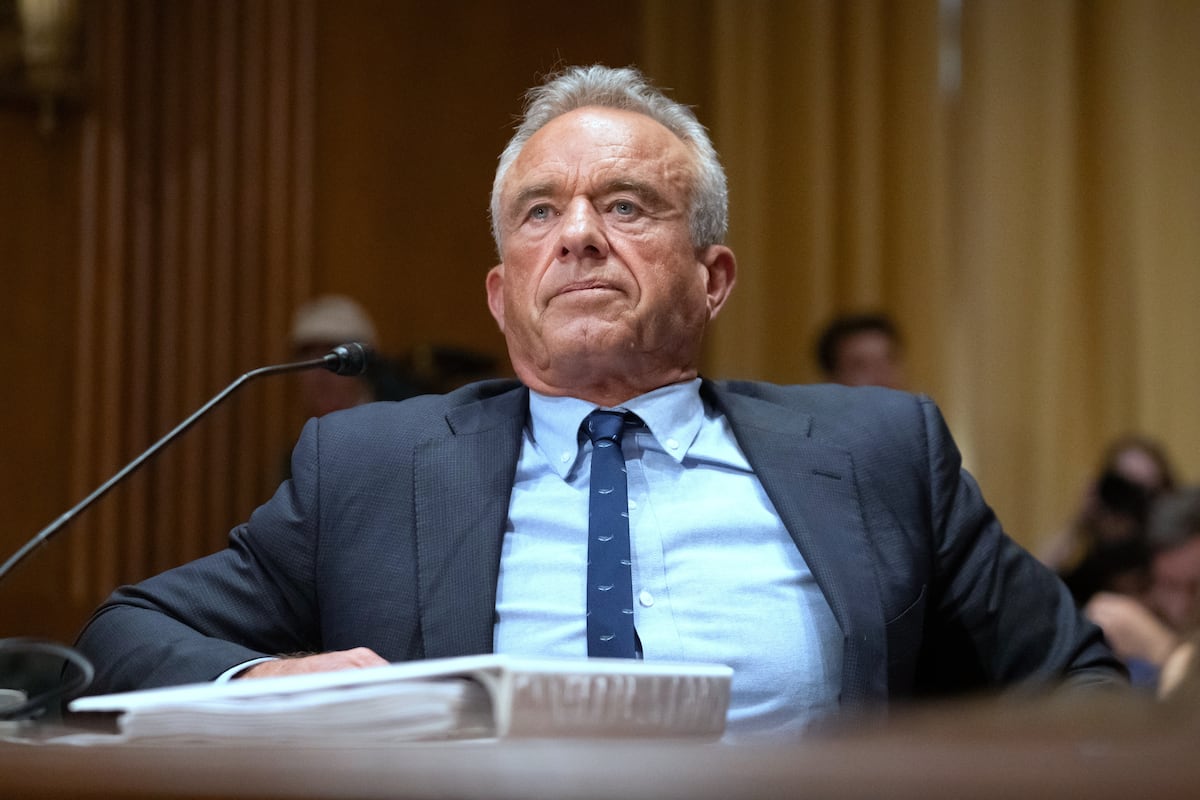
These actions have prompted criticism even from within Kennedy’s own party. Senator John Barraso, a republican physician, expressed his concerns during a congressional oversight session, stating, “In his confirmation, he promised to respect the highest standards for vaccines, but since then I am increasingly worried.”
Despite these concerns, former President Donald Trump continues to publicly support his Secretary of Health, having previously pledged to allow Kennedy “at will” within the Department of health. Trump recently stated he had “heard that he has done very well in Congress.”
The alignment between Trump and Kennedy appears to stem from shared concerns – including anxieties about rising autism diagnoses – and political strategy. Kennedy, a prominent figure within the “Make America Healthy Again” (Maha) movement, brings a distinct voter base to the table: individuals deeply interested in health, former Democrats disillusioned with their party, and those who prioritize choice perspectives. While Kennedy’s support during his presidential run hovered around 2-3%, this electorate could prove pivotal in close elections, such as the midterm elections anticipated in November 2026.
Despite generally negative approval ratings for the Republican Administration, Kennedy maintains a relatively moderate level of public support, with 45% of voters approving of his performance.
Trump acknowledged Kennedy’s unconventional approach, stating after his confirmation hearing, “He has a bit different ideas. But we see what is happening in health in the world and what is happening in health in this country, I like the fact that he is different.”
