
Can Honey Protect Your Brain? Study Reviews Its Potential Against Alzheimer’s
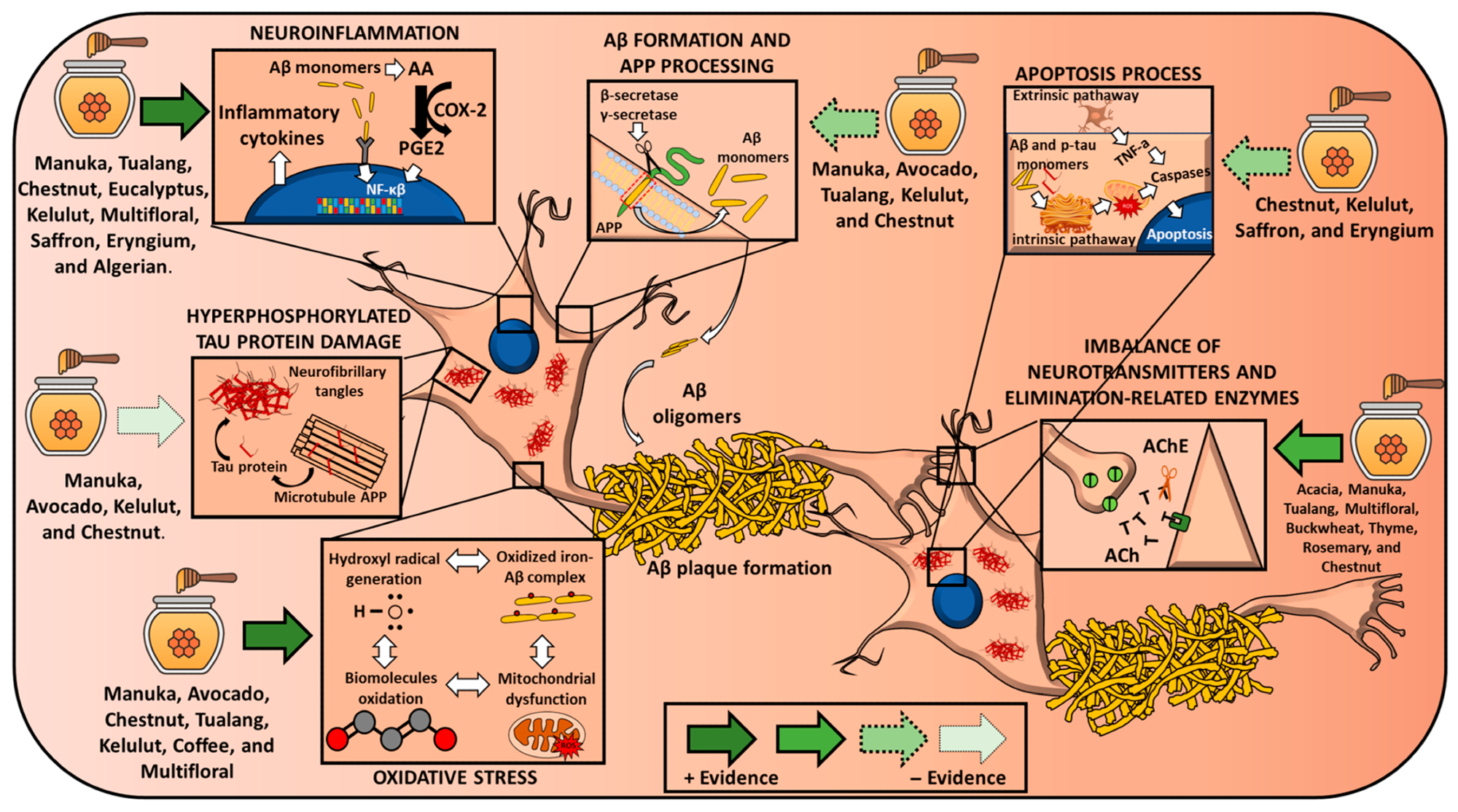
A recent review of laboratory studies suggests honey may offer a surprising defense against alzheimer’s Disease (AD).Published in Nutrients in 2025, the research, led by M.D. Navarro-Hortal and colleagues, examined a range of experiments – from those using isolated cells to studies involving invertebrates like the nematode Caenorhabditis elegans and the fruit fly Drosophila melanogaster, as well as rodent models – to understand how different types of honey impact AD pathology. The review considered the diverse sources and types of honey, including Manuka, Tualang, Chestnut, and Avocado varieties.
The findings indicate honey combats several key hallmarks of AD, including oxidative stress, inflammation, and neurotransmitter imbalances. Researchers found honey and its extracts significantly reduced levels of reactive oxygen species (ROS), damaging molecules linked to cellular harm, in various models.
For example, chestnut-derived honey demonstrated antioxidative activity by protecting neuronal cells from glutamate-induced damage and preserving mitochondrial function at concentrations between 500 and 750 μg/mL. In C. elegans engineered to produce human amyloid-beta, both Manuka and avocado honey (at 100 mg/mL) notably delayed the onset of paralysis caused by Aβ. This suggests a potent anti-inflammatory and anti-Aβ efficacy. Interestingly, the study also revealed a paradoxical effect: in some worm models of tauopathy, honey worsened mobility, perhaps due to its sugar content rather than a direct impact on tau.
These findings were further supported by experiments using murine models. Tualang honey reversed shifts in hippocampal Aβ1-40 and Aβ1-42 levels induced by LPS, while Kelulut honey reduced Aβ1-42 deposition specifically in the dentate gyrus, but not in the CA1 or CA3 regions of the brain. Furthermore, certain honeys exhibited the ability to inhibit acetylcholinesterase, the enzyme responsible for breaking down acetylcholine – a neurotransmitter crucial for memory. Acetylcholinesterase inhibitors are currently used as symptomatic treatments for AD.However, the review authors caution that results varied significantly depending on the honey type, botanical source, processing methods, and study design. They also noted that many of the included studies carried a high or unclear risk of bias.
The review concludes that, in laboratory and non-human models, honey demonstrates meaningful neuroprotective potential, triggering benefits against the molecular drivers of AD by reducing oxidative stress and inflammation and interfering with toxic protein aggregation. Despite these promising results, the authors emphasize a “stark lack of human-derived evidence” and call for clinical trials to determine optimal dosages and establish quality guidelines for honey’s potential use in AD treatment.
Source: Navarro-Hortal, M. D., Romero-Márquez, J. M.,Ansary,J., Hinojosa-Nogueira, D., Montalbán-Hernández, C., varela-López, A., & Quiles, J. L. (2025). Honey as a Neuroprotective Agent: molecular Perspectives on Its Role in Alzheimer’s disease. Nutrients, 17(16), 2577. DOI – 10.3390/nu17162577. https://www.mdpi.com/2072-6643/17/16/2577
