
U.S. Visa Delays Strand African Students, Fueling Educational Shift
New Policy Creates Uncertainty, Opens Doors for China and Other Destinations
A sudden suspension of student visa interviews at U.S. embassies across Africa is leaving thousands of prospective students in limbo, potentially reshaping global education flows and benefiting competing nations like China. The move, justified by national security concerns, threatens to disrupt academic plans and impact U.S. university revenue.
Security Concerns Trigger Policy Change
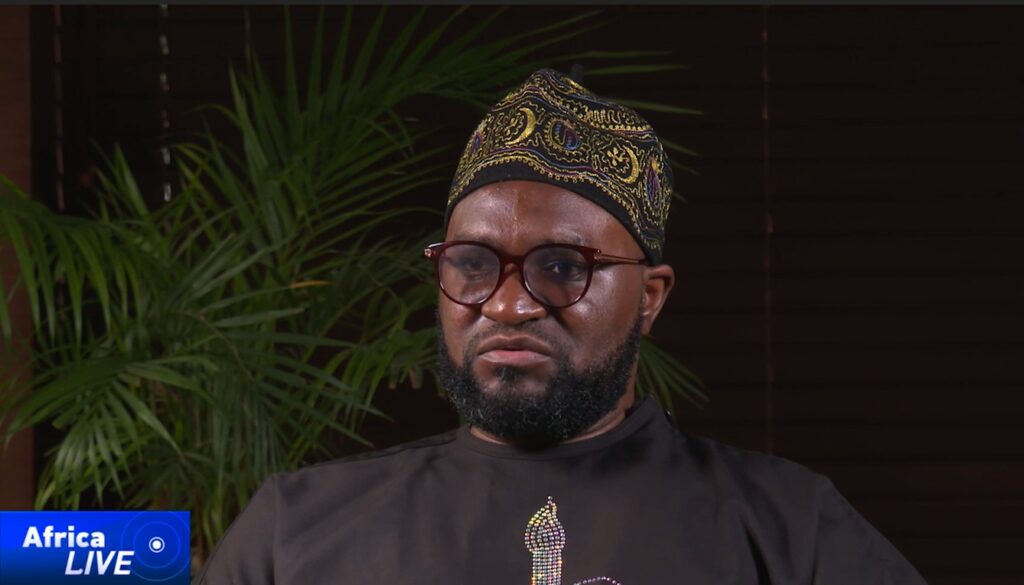
The U.S. State Department has indefinitely halted visa interviews, citing a need for more thorough social media screening. This abrupt shift impacts students who already received provisional acceptance letters from U.S. universities for the 2024 academic year, creating a “loop of uncertainty,” according to analyst Chris Ogunmodede.
China is a relatively affordable place to study, with an improved standard of living. You can earn a living there, you have good education, top-notch universities, and other institutes of higher education,
” Ogunmodede told CGTN. He encourages students to consider countries with more accessible visa processes and strong academic programs.
A History of Visa Denials
This ban exacerbates existing challenges faced by African students seeking education in the U.S. A 2023 Shorelight report revealed a 54 percent U.S. visa denial rate for African applicants between 2015 and 2022, significantly higher than the 36 percent for Asian students and 9 percent for European students. According to the Institute of International Education, the number of international students in the U.S. decreased by 15% in Fall 2023, partially due to visa processing delays (IIE Open Doors 2023).
Alternative Destinations Gain Appeal
Beyond China, Ogunmodede highlights Canada, Australia, and several European nations—including Germany—as attractive alternatives. These countries offer more welcoming immigration policies and competitive academic opportunities, potentially attracting students previously focused on the U.S.
The policy’s impact extends beyond individual students. U.S. universities stand to lose substantial tuition revenue, and the absence of African students could diminish the diversity of perspectives on campus.
https://www.youtube.com/watch?v=t7pwB512B70" loading="lazy
Analysts predict a long-term shift in global education, with more African students choosing destinations that prioritize international students and offer viable post-graduation employment prospects. Ogunmodede stresses the need for adaptability and proactive exploration of new opportunities.
The current situation demands that African students strategically navigate the changing landscape and capitalize on opportunities in nations actively seeking to attract international talent.
