
Trump’s Tariff Threats: Will prescription Drug Prices Skyrocket for Americans?
Washington, D.C. – A potential trade war looms over the pharmaceutical industry, threatening to disrupt the delicate balance of drug manufacturing and potentially sending prescription costs soaring for american consumers. For three decades, the pharmaceutical sector has enjoyed tariff-free status under World Trade Association (WTO) agreements, shielded due to its vital role in providing life-sustaining medicines. Though, President Trump’s management is considering a series of tariffs aimed at reducing the U.S. trade deficit and incentivizing domestic manufacturing,placing the pharmaceutical industry squarely in the crosshairs.
On March 28th, President Trump hinted at impending drug tariffs, stating he would “announce it near” but specifics remain scarce. this ambiguity leaves the industry and consumers alike bracing for potential repercussions. These tariffs could mirror existing levies on goods from China, Canada, and mexico, or take the form of “mutual” tariffs applied broadly. The lack of clarity has injected uncertainty into an already complex global landscape.
Ireland in the Spotlight
Ireland,a major manufacturing hub for many of the world’s top pharmaceutical companies,has been specifically mentioned. “Ireland was very wise. We have a good relationship with ireland, but we’re going to get it,” Trump stated on March 26th, signaling a potential shift in trade relations.
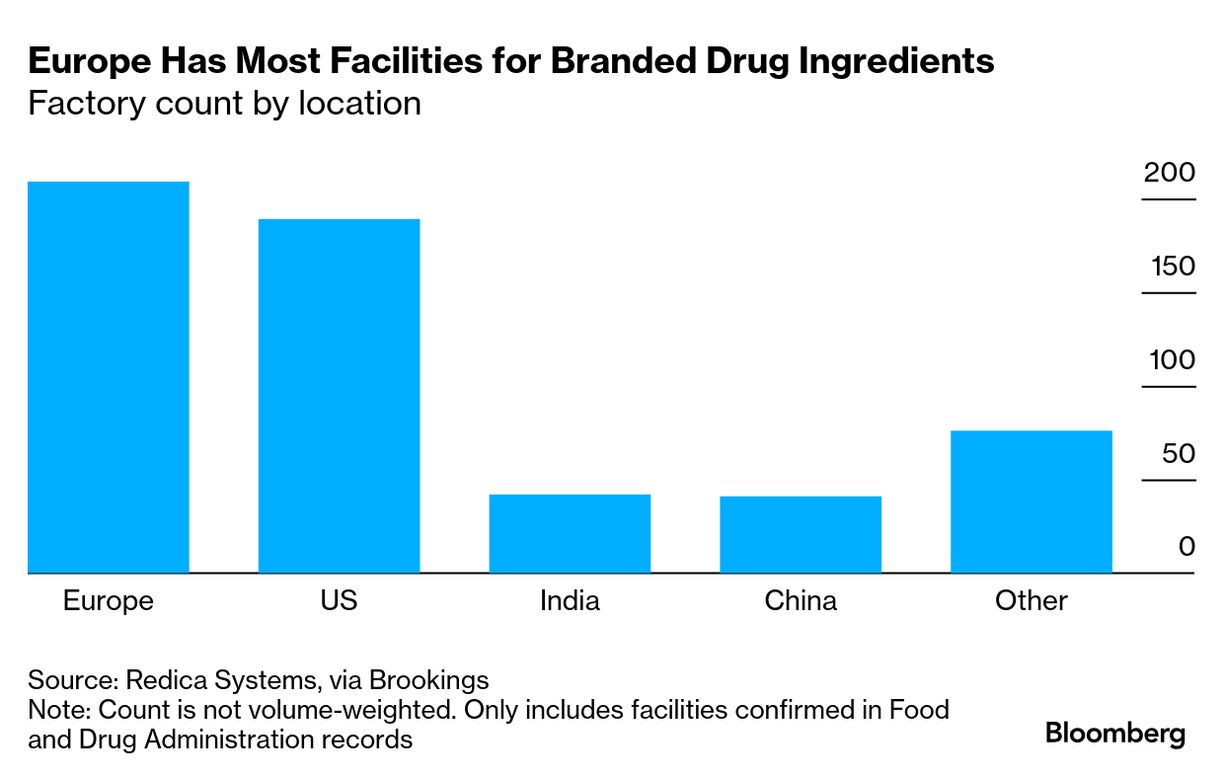
this move could substantially impact American pharmaceutical giants like Eli Lilly and Pfizer, which have invested billions in establishing intricate global supply chains with Europe as a crucial component. The Biotechnology Innovation Organization reports that nearly 90% of U.S. biotech companies rely on imported raw materials for at least half of their FDA-approved products. In 2022, the pharmaceutical industry generated an estimated 311 billion euros (approximately $335 billion USD) in added value within the European Union, according to PricewaterhouseCoopers (PwC).
The Potential Impact on Consumers
Experts warn that protectionist policies could inflate the prices of active pharmaceutical ingredients (APIs). Many companies may find it unfeasible to relocate their manufacturing bases to the U.S. quickly, leading to higher costs for consumers. This could manifest as increased drug prices, shortages of essential medications, and financial strain on healthcare institutions.
Richard Sayner, CEO of Europe’s largest generic drug manufacturer, warned, “patients will bear the costs for these products. Supplying conditions will either worsen, or prices will bounce back to insurers and ultimately patients. This is not a strategy to encourage investment in the US.”
The tariffs could be applied based on the origin of the API, rather than the location where the final drug product is formulated, adding another layer of complexity.
Sam Lowe, an international trade expert and partner at consulting firm Flint Global, emphasizes the unique challenges of imposing tariffs on the pharmaceutical sector, given its past exemption from such measures. He advises companies to “pay more attention to the origin of products they export to the United States than ever before.”
Generic Drug Industry Faces Notable Challenges
Marta Wocinska, a senior researcher at the Brookings Institute’s Medical Policy Center, believes the generic drug industry will be notably vulnerable.This sector produces many commonly prescribed treatments in the U.S., including medications for hypertension and heart conditions. Building a new drug manufacturing facility can take three to five years, a significant hurdle for companies seeking to shift production to the U.S.
Wocinska argues that establishing new factories in the U.S. may not be financially viable for generic drug manufacturers. “The calculations don’t fit at all. That’s all,” she stated, adding, “It’s taking too long, and the expected returns are uncertain, and tariffs might potentially be introduced or removed.” She notes that the financial considerations are different for branded drugs.
Insulin Supply Chain vulnerabilities
The global insulin supply, dominated by Novo Nordisk and Eli Lilly, presents another area of concern. The insulin supply chain is incredibly complex, and it may be impossible to move enough production to the U.S. to meet domestic demand.
Though, some European branded pharmaceutical manufacturers, like Switzerland’s Roche Holding, already have a significant manufacturing presence in the United States. Roche produces its multiple sclerosis drug, Ocrevas, in the U.S.
Wall Street Weighs In
Wall Street analysts are actively assessing the potential impact of these uncertain drug tariffs.Jeffreys analyst Michael Yee noted in a recent client report that “These tariffs and how they are implemented are still uncertain,” and cautioned that they could disrupt supply chains and affect tax incentives for companies with manufacturing bases outside the U.S.
The Allure of Ireland
Edgard Hernandez, director of production at Eli Lilly, highlighted the advantages of manufacturing in Ireland in a September interview. “The biggest factor of this is the workforce. They have high skills and have a good understanding of our industry,” he saeid, adding that the government and foreign direct investment institutions are “great to work with.”
Potential Counterarguments and Considerations
While the potential negative impacts of tariffs on drug prices and supply are significant,some argue that incentivizing domestic manufacturing could create jobs and strengthen the U.S. economy. Though, the timeline and cost associated with reshoring pharmaceutical production pose significant challenges.
Another counterargument is that tariffs could encourage innovation and efficiency within the pharmaceutical industry, forcing companies to find new ways to reduce costs and improve their supply chains. However,this could also lead to companies cutting corners on quality or reducing investment in research and progress.
The Road ahead
The potential implementation of tariffs on the pharmaceutical industry remains a fluid situation. As the Trump administration continues to weigh its options, the industry and consumers alike are bracing for potential changes that could significantly impact the cost and availability of prescription drugs in the United States. The coming months will be critical in determining the future of pharmaceutical trade and its impact on the American healthcare system.
Key Takeaways: Potential Impacts of Pharmaceutical Tariffs
| Impact Area | potential Consequence THE CONTENT IS FOR INFORMATIONAL PURPOSES ONLY. THE ARTICLE IS NOT INTENDED TO BE A SUBSTITUTE FOR PROFESSIONAL MEDICAL ADVICE, DIAGNOSIS, OR TREATMENT. ALWAYS SEEK THE ADVICE OF YOUR PHYSICIAN OR OTHER QUALIFIED HEALTH PROVIDER WITH ANY QUESTIONS YOU MAY HAVE REGARDING A MEDICAL CONDITION.
