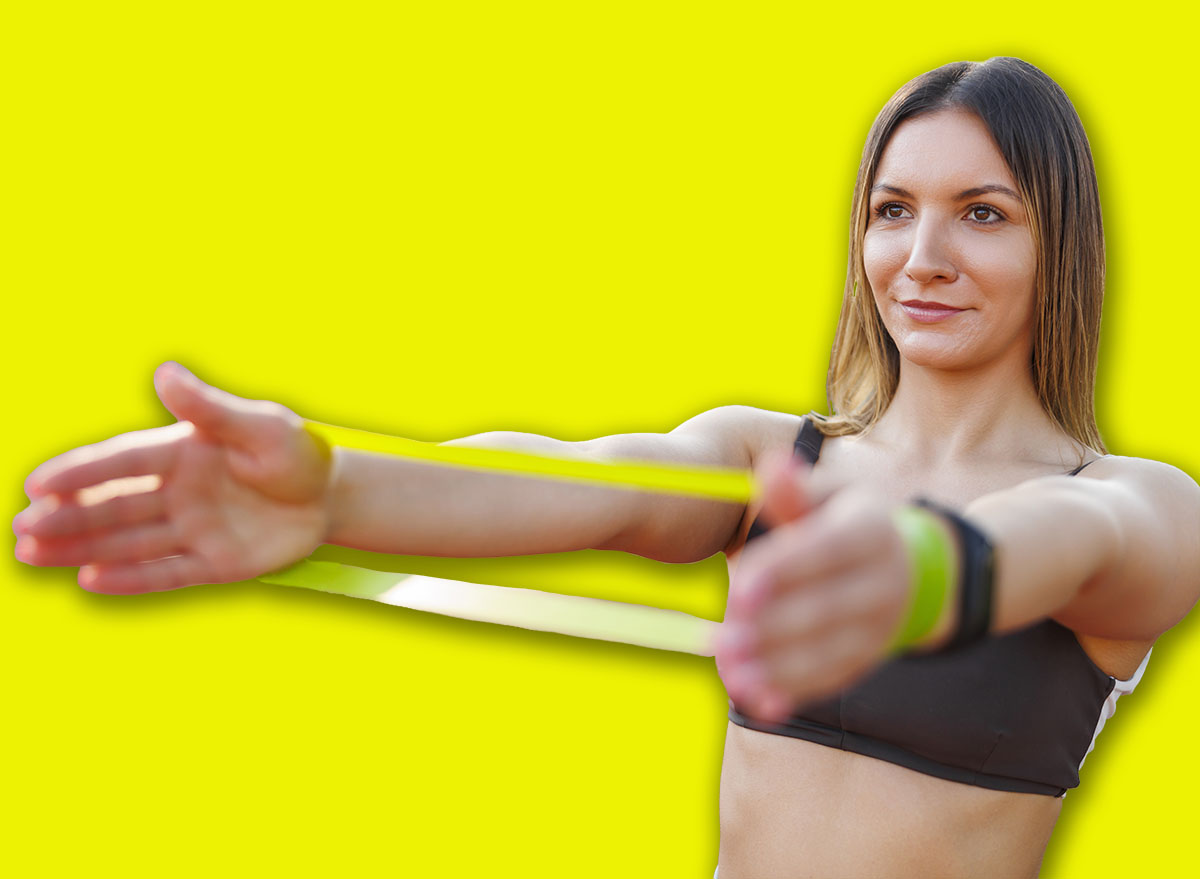
4 Standing Exercises That Restore Posture Before Summer Ends After 60
Four specific standing exercises—band pull-aparts, Y-T-Ws, good mornings, and chin tucks—can help restore posture before summer ends after 60, according to fitness expert Jacob Siwicki. By addressing common imbalances such as forward head carriage and rounded upper backs, these movements aim to restore structural alignment and mitigate the strain often exacerbated by sedentary habits and screen usage.
Key Takeaways:
- Postural decline after 60 is largely attributed to “tech neck,” a rounded, hunched upper back, and weak glutes and core, all of which are trainable.
- Consistency is paramount; strengthening the back side and opening the front can yield improvements in standing noticeably taller within a few weeks.
- These exercises prioritize standing mechanics to integrate core stabilization with active range-of-motion recovery.
The Nature of Postural Decline
The human spine relies on a balance of tension and compression to maintain an upright, neutral position. The shift toward a forward-leaning posture—often termed “tech neck”—is a result of years of sitting and looking down at phones and screens. This mechanical shift places stress on the body. When the chest musculature tightens and the upper back weakens, the shoulders roll forward, further compromising the structural integrity of the upper back.
Jacob Siwicki, founder and head coach of Siwicki Fitness, notes that these changes are trainable. “The postural changes I see most are forward head, a rounded, hunched upper back, and shoulders that roll forward,” Siwicki explains. “It almost always comes back to the same stuff: years of sitting, looking down at screens, a weak upper back, a tight chest, and weak glutes and core that stop holding you tall.” Strengthening the back side serves as the primary intervention to reverse this trend.
Targeted Exercises for Structural Realignment
To restore posture, the focus must be on active engagement of the posterior musculature. The following protocols are performed in a standing position:
- Standing Band Pull-Aparts: This movement targets the back. By holding a resistance band ahead of you with arms fully extended at shoulder height and pulling the band apart, you can improve posture.
- Y-T-Ws: This series of movements involves hinging at the hips and moving the arms into specific shapes. This exercise requires squeezing your shoulder blades together throughout.
- Standing Good Mornings: By placing hands behind the head and hinging at the hips, this exercise focuses on the hamstrings and glutes. Strengthening these areas provides the foundational support necessary to maintain a tall chest.
- Standing Chin Tucks: This move specifically addresses the cervical spine. By pulling the chin directly backward without tilting your head up or down, individuals can stretch the bottom of the skull.
Integration and Preventive Care
While targeted exercise is effective for musculoskeletal correction, persistent postural issues may require professional intervention. Consulting with a professional can help ensure that exercise protocols are tailored to individual needs.
The trajectory of musculoskeletal health after 60 depends on the consistent application of these restorative movements. By integrating these four exercises into a daily regimen, individuals can proactively manage the mechanical stressors that lead to postural decline.
Disclaimer: The information provided in this article is for educational purposes only and does not constitute medical advice. Always consult with a qualified healthcare provider regarding any medical condition, diagnosis, or treatment plan.