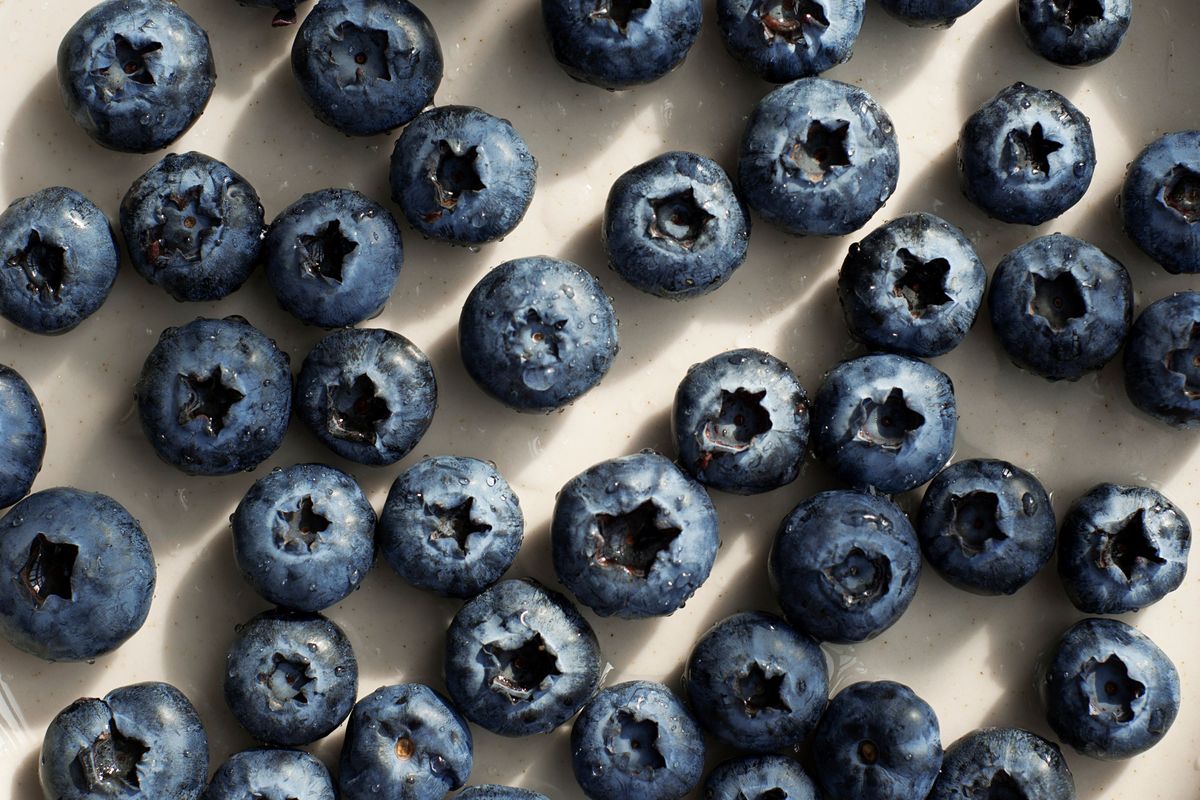
Blueberry Powder Affects Gut Genes but Not Mood, Study Finds
Daily Blueberry Consumption Alters Gut Bacterial Genes in Older Adults but Fails to Show Significant Mood Improvements
Eating 48 grams of freeze-dried blueberry powder daily for three months alters specific bacterial genes in the gut of older adults with mild depressive symptoms, but it does not produce a statistically significant improvement in mood compared to a placebo, according to a small clinical study published in The Journal of Nutrition, Health and Aging and reported by Gezondnu.
- Researchers at the Marcus Institute for Aging Research in Boston tested 48 grams of freeze-dried blueberry powder (equal to about two cups or 150 grams of fresh berries) against a placebo in a three-month trial involving adults aged 65 and older.
- While depressive symptoms decreased in the blueberry group, the difference between the intervention and placebo groups was not statistically significant, preventing researchers from ruling out chance.
- Genetic changes were observed in bacterial enzymes related to GABA, a signaling substance in the brain involved in relaxation, though whether this impacts mood remains unproven.
Trial Design and Demographics at Hebrew SeniorLife
The study specifically targeted individuals aged 65 and older who led sedentary lifestyles and reported mild depressive symptoms. Out of the initial pool of participants, exactly eighteen individuals completed the rigorous three-month trial, split into ten participants in the berry group and eight in the control group who received an identical-looking placebo powder lacking the active fruit compounds, as detailed by Agf.nl and Metronieuws.
Lead researcher Courtney Millar of the Marcus Institute for Aging Research characterized the project as a preliminary exploration. The small sample size of eighteen completers severely limits the statistical power required to draw definitive clinical conclusions regarding mental health interventions through dietary modification alone.

Bacterial Genes Shift in GABA Pathways
Although overall gut microbiome composition and short-chain fatty acid production remained stable across both cohorts, genetic sequencing revealed localized shifts in bacterial genes. Specifically, scientists noted alterations in genes responsible for bacterial enzymes linked to GABA (gamma-aminobutyric acid), a primary inhibitory neurotransmitter governing nervous system relaxation and sensory processing.
Metronieuws reported that while these biochemical shifts align with theories surrounding the gut-brain axis—the bidirectional communication network connecting enteric flora to the central nervous system via neural, hormonal, and microbial pathways—the direct clinical translation to mood amelioration is not yet established.
Contrasting Previous Studies on Anthocyanins
The findings build upon existing research in nutritional psychiatry investigating anthocyanins, the polyphenolic plant pigments responsible for the rich blue and purple hue of the berries. Prior literature, including a review published in Current Nutrition Reports and data highlighted by Gezondnu, has occasionally pointed toward positive cognitive or mood effects from polyphenol supplementation.
Public health authorities emphasize that while blueberries remain a nutritious food choice supplying dietary fiber and vitamin K, they do not function as a standalone medical treatment for persistent low mood or clinical depression. Patients experiencing prolonged psychological distress are advised to consult a primary care physician.
Disclaimer: The information provided in this article is for educational and scientific communication purposes only and does not constitute medical advice. Always consult with a qualified healthcare provider regarding any medical condition, diagnosis, or treatment plan.