
Maule Students Explore Nanotechnology for Agricultural Innovation
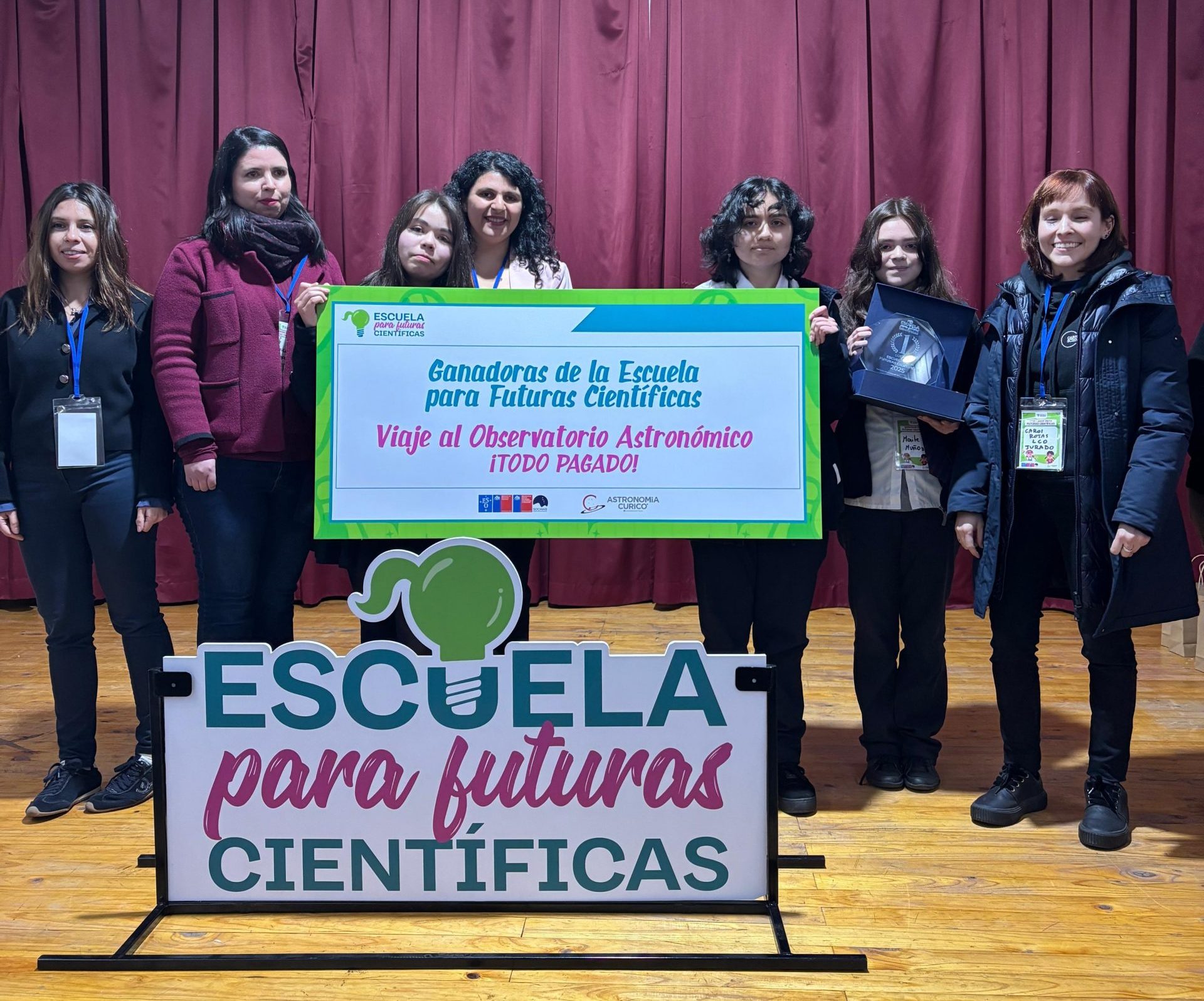
Maule, Chile – A team of young scientists from the Hualañé Bicentennial Lyceum in the Maule region has earned recognition for their research into the potential of silver nanoparticles to enhance agricultural practices. The students – Maite Muñoz Iturriaga, Javiera Silva Vergara, and Ángela Valderrama lizama – recently participated in the ”School for Future Scientists” workshop and were awarded a visit to the Las Campanas Observatory for their winning project.
The project, titled “Silver Nanoparticles Impact (AGNPS) on the germination and growth of Sierra lettuce seed (Lettuca sativa),” investigated the effects of synthesized silver nanoparticles on lettuce growth. Driven by the importance of agriculture to the Maule economy, the students aimed to explore innovative solutions for the sector. Over three months,guided by their teacher Patricia Quezada,they conducted experiments,synthesizing the nanoparticles in a laboratory setting and applying them to Sierra lettuce irrigation for a month and a half.
“We went through an application process and, once selected, we focused on the experimental stage,” explained Quezada. “We synthesized the silver nanoparticles in the laboratory and applied them in the irrigation of Sierra lettuce for a month and a half.”
The “School for Future Scientists” workshop, led by astronomer Caddy Cortés, aims to encourage young women’s involvement in STEM fields (science, technology, engineering, and mathematics). The students’ work was evaluated by a panel of experts including Carol Rojas of the Las campanas Observatory, Valeria Olivares from the University of Santiago de Chile, and Fernanda Durán from the National Radio Astronomy observatory.
Cortés emphasized the workshop’s goal to “Empower girls and adolescents, providing them with tools and support to be visualized as future scientists, engineers and leaders, and thus become agents of change in the world.”
As a reward for their achievement, the winning team and their teacher will visit the Las Campanas Observatory in the Atacama region, gaining firsthand experience at a leading astronomical center and the chance to connect with professionals in the field. This experience is intended to further inspire their critical thinking and commitment to pursuing careers in science.
