
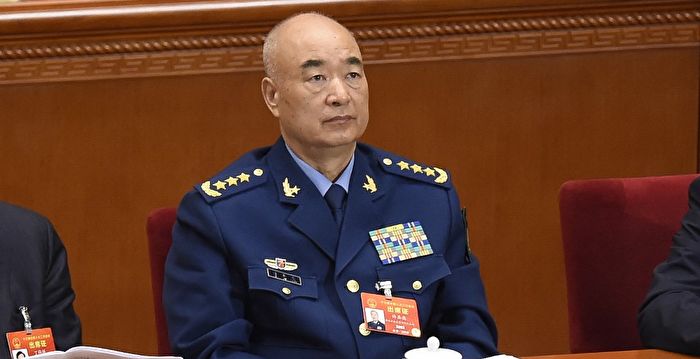
Xu Qiliang’s Death: Xi Jinping Ally’s Demise Sparks Speculation Amid Military Purge
Table of Contents
- Xu Qiliang’s Death: Xi Jinping Ally’s Demise Sparks Speculation Amid Military Purge
china's military shakeups. Xi Jinping attends funeral, but key figures are absent.">
The sudden death of Xu Qiliang, former Vice Chairman of the Central Military Commission, has ignited speculation about potential power struggles within the chinese Communist Party. While xi Jinping and other top leaders attended Xu’s funeral on June 8, the absence of a wreath from current Vice Chairman He Weidong has further fueled rumors of internal conflict and potential purges within the military.
Sudden Death and Official Response
Xinhua News Agency reported that Xu Qiliang died on June 2, 2025, at the age of 75, due to illness. However,reports circulated on social media days earlier,suggesting Xu’s death occurred on May 28,possibly from a “heart disease.” This discrepancy, coupled with the ongoing anti-corruption campaign within the military, has led many to question the official narrative.
Did You Know? …
The Babaoshan Revolutionary Cemetery is the final resting place for China’s most prominent political and military figures.
The Absence of He Weidong
Notably absent from the list of those who sent wreaths was He Weidong, the current Vice Chairman of the Military Commission. this omission has been interpreted by some observers as a sign that He Weidong may be under investigation or has fallen out of favor. Independent commentator Cai Shenkun suggested that He Weidong’s absence indicates he no longer holds his position within the Politburo, further supporting rumors of his potential demise or downfall.
The lack of official explanation for He Weidong’s absence has only amplified the speculation surrounding the circumstances of Xu Qiliang’s death and the broader political climate within the Chinese military.
Xu Qiliang’s Background and Rise to Power
Born in march 1950,Xu Qiliang rose through the ranks of the Chinese Air Force,eventually becoming Vice Chairman of the Central Military Commission. He played a key role in the military reforms initiated under Xi Jinping, including the integration of the Rocket Force and the Strategic Support Force. Tho, subsequent corruption scandals within these units have cast a shadow over his legacy.
Xu’s close ties to Xi Jinping are evident in a photo from the early 1990s, showing the two together in Fujian province. this relationship is believed to have been crucial to Xu’s rise to power and his influence within the military.
military Purge and Internal Friction
The death of Xu Qiliang comes amid a sweeping purge of the Chinese military, with several high-ranking officials, including former defense Ministers Li shangfu and Wei fenghe, being investigated for corruption. These actions have been attributed to Zhang Youxia, another Vice chairman of the Military Commission, who is believed to be leading the anti-corruption efforts.
The ongoing purge has exposed deep internal frictions within the military and raised concerns about the stability of the Chinese leadership. The sudden death of Xu Qiliang, a key figure in the military establishment, has only added to the uncertainty.
According to the Stockholm International Peace Research Institute, China’s military expenditure in 2024 was estimated at $296 billion, the second highest in the world, reflecting the country’s growing military ambitions SIPRI.
Speculation and Analysis
Analysts suggest that Xu Qiliang’s death might potentially be linked to the ongoing investigation of the “He Weidong and miao Hua political gang,” further highlighting the intense power struggles within the Chinese military. The collapse of Xi Jinping’s military establishment indicates serious internal conflicts and a significant loss of energy in this power struggle.
The circumstances surrounding Xu Qiliang’s death remain shrouded in mystery, fueling speculation about the true cause and the potential implications for the future of the Chinese military and political landscape.
Key Figures and Their Roles
Understanding the key players involved provides context to the unfolding events.
| Name | Position | Significance |
|---|---|---|
| Xu Qiliang | Former Vice Chairman, Central Military Commission | Deceased; Key figure in military reforms |
| Xi jinping | President of China | Supreme Commander of the Military |
| He Weidong | Current Vice Chairman, Central Military Commission | Absent from funeral; Status uncertain |
| Zhang Youxia | Current Vice Chairman, Central Military Commission | Leading anti-corruption efforts |
Possible scenarios
- Power struggle within the military
- Fallout from corruption investigations
- Shifting alliances and political maneuvering
What are the long-term implications of these events for China’s military and political stability?
How might these internal conflicts affect china’s foreign policy and military posture in the region?
Evergreen Insights: Understanding the Context
The Chinese military has undergone significant reforms in recent years, aimed at modernizing its forces and enhancing its capabilities. These reforms have also been accompanied by a crackdown on corruption, which has led to the investigation and removal of numerous high-ranking officials. The current situation reflects the complex interplay of political power, military strategy, and anti-corruption efforts within the Chinese system.
The ongoing power struggles within the Chinese military are not new. Throughout the history of the People’s Republic of China, there have been periods of intense political infighting and purges, often triggered by shifts in leadership or changes in policy direction. These events have had a profound impact on the country’s political and social landscape.
According to a 2024 report by the U.S. Department of Defense, China’s military modernization efforts are focused on developing advanced weapons systems, improving training and readiness, and expanding its presence in key regions, including the South China Sea DoD.
Frequently Asked Questions About Xu Qiliang’s Death
- What was Xu Qiliang’s role in the Chinese military’s modernization?
- Xu qiliang played a significant role in implementing reforms aimed at modernizing the Chinese military, including the integration of strategic forces.
- How might Xu Qiliang’s death impact the current military leadership?
- xu Qiliang’s death could possibly lead to further reshuffling within the military leadership, as different factions vie for influence.
- What are the potential implications of the ongoing military purge?
- The ongoing military purge could weaken the military’s effectiveness and create instability within the Chinese leadership.
- Is there any evidence of foul play in xu Qiliang’s death?
- While there is no concrete evidence of foul play, the circumstances surrounding Xu Qiliang’s death have fueled speculation and rumors.
- How does the absence of He Weidong’s wreath affect the situation?
- The absence of He Weidong’s wreath has been interpreted as a sign of his potential downfall or involvement in internal conflicts.
- What is the significance of Xu Qiliang’s relationship with xi Jinping?
- Xu qiliang’s close relationship with Xi Jinping suggests that his death could have broader political implications.
- What are the possible long-term consequences of these events?
- The long-term consequences could include shifts in China’s military strategy, changes in its foreign policy, and increased internal instability.
Disclaimer: This article provides news and analysis and should not be taken as professional legal or political advice. Consult with experts for specific guidance.
Stay informed. Share this article and join the discussion below. Subscribe to our newsletter for the latest updates on global events.
