Xbox Sees Worst Sales Figures in History Amid Decline
Microsoft’s Xbox division reported its lowest annual hardware sales figures in the company’s history during the 2024 fiscal year, according to data released in the corporation’s latest financial filings. The decline follows a broader cooling of the global gaming console market, as hardware manufacturers face increased competition from cloud gaming platforms and a shift in consumer spending habits.
Financial Performance and Market Contraction
The fiscal year 2024 results revealed a significant downturn for the Xbox hardware business. According to Microsoft’s internal reporting, revenue from Xbox hardware decreased by 31% compared to the previous fiscal year. This drop reflects a trend of aging hardware cycles, as the Xbox Series X and S consoles move deeper into their lifecycle without a major mid-generation refresh to stimulate new unit sales.
Industry analysts note that the current market environment is characterized by a “console fatigue” effect. While the COVID-19 pandemic triggered a surge in demand for home entertainment hardware between 2020 and 2022, the subsequent years have seen a predictable decline as the initial wave of adopters has already purchased their systems.
Shifting Strategic Priorities
In response to hardware stagnation, Microsoft has pivoted toward a multi-platform strategy. The company is increasingly prioritizing its Xbox Game Pass subscription service and cloud-based gaming infrastructure over exclusive console-tethered titles. By bringing major software franchises to competing platforms, such as Sony’s PlayStation and Nintendo’s hardware, Microsoft aims to recoup development costs and expand its user base beyond the limitations of its own console install base.
This transition marks a departure from the traditional “walled garden” approach that has defined the gaming industry for decades. Microsoft’s leadership has signaled that service-based revenue—driven by subscriptions and in-game transactions—now represents a more stable long-term growth vector than the volatile cycle of hardware manufacturing.
Industry-Wide Challenges

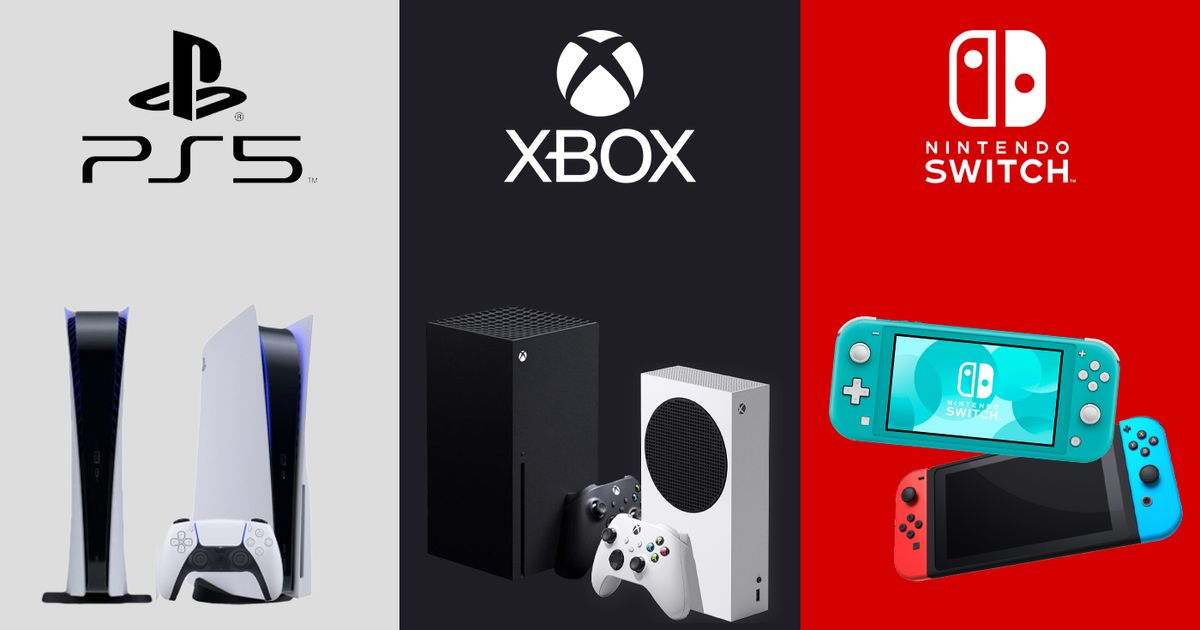
The decline in Xbox hardware sales is not an isolated event. Competitors in the hardware space are also adjusting to a saturated market. Sony Interactive Entertainment, for instance, has lowered its sales projections for the PlayStation 5, citing a decline in interest as the console moves into the latter half of its expected lifespan.
Nintendo, meanwhile, continues to operate with the aging Switch hardware, which has seen a natural decline in sales as the market waits for an official announcement regarding a successor. The industry is currently waiting for further clarity on the next generation of hardware, with several major manufacturers hesitant to commit to specific release timelines while global interest rates remain high and consumer discretionary spending remains under pressure.
Microsoft is scheduled to provide further updates on its gaming division’s performance during its upcoming quarterly earnings call, where investors expect more detail on how the company plans to integrate its recent large-scale acquisitions into its broader service-led business model.