World Cup 2026: The Hidden Sponsorship & Marketing Battles Beyond the Pitch
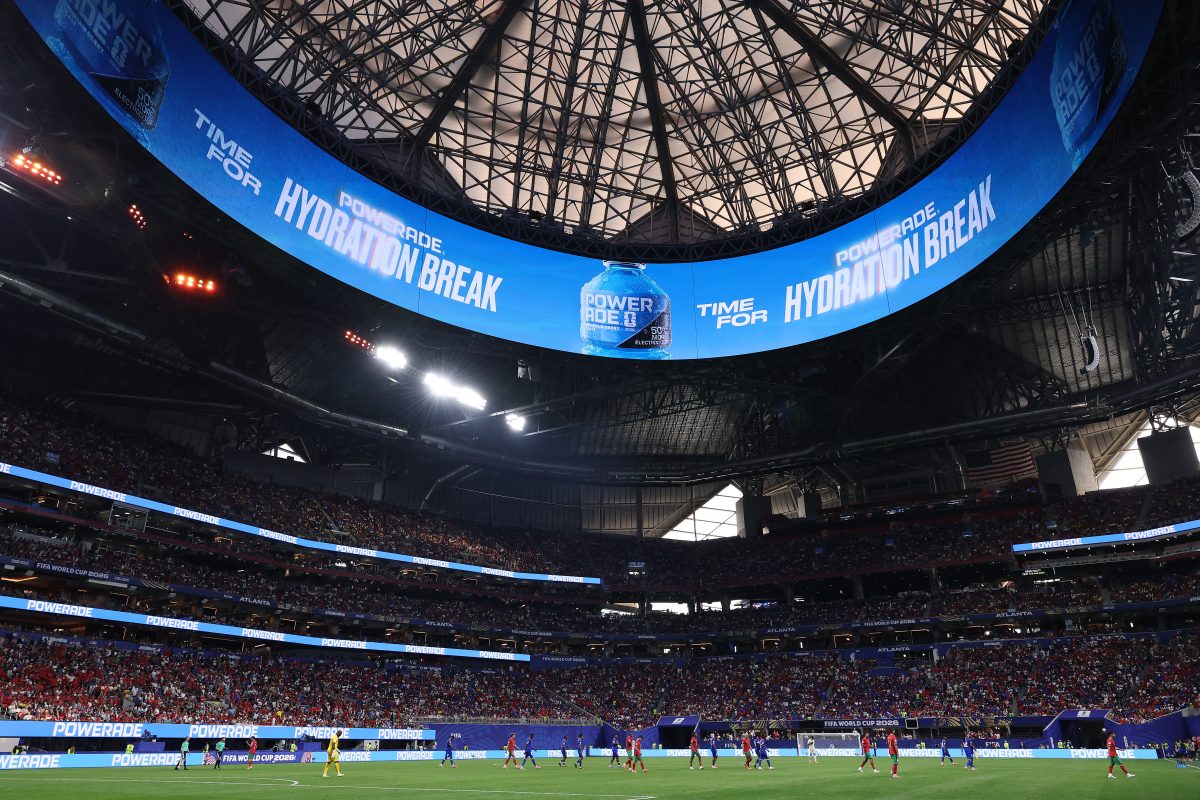
As the 2026 World Cup transitions into its high-stakes knockout phase on June 27, global brands are shifting their marketing spend from general awareness to performance-based activation. With total tournament sponsorship deals estimated between $2.5bn and $3bn, corporations are now leveraging individual athlete endorsements and regional content strategies to maximize return on investment.
The Shift from Broad Awareness to Targeted Conversion
The business of the World Cup is now entering its most aggressive phase. While top-tier partners like Coca-Cola and Lenovo maintain stadium-wide visibility, the secondary market—comprised of technical kit manufacturers and individual player sponsors—is working to capture consumer attention in a crowded media landscape. Unlike the Paris 2024 Olympic Games, which enforced strict “Rule 40” marketing blackouts, FIFA’s regulatory framework allows for a more fluid stream of individual endorsements. This enables brands to capitalize on real-time tournament narratives without the stifling restrictions seen in other global athletic competitions.

Marketing teams are currently recalibrating their digital spend to account for the thinning field of teams. Brands now face the challenge of regionalizing content to maintain engagement in markets where the national team may have been eliminated, or where interest peaks during specific bracket progression. Managing these multi-jurisdictional campaigns requires sophisticated MarTech Strategy and Implementation firms to ensure data compliance and cross-platform consistency.
Regulatory Hurdles in Athlete Endorsements
The lack of a strict “blackout period” for athletes does not mean a free-for-all. Players, particularly those under 25, face significant oversight regarding the promotion of gambling brands and other regulated products. According to guidance from the UK’s Advertising Standards Authority (ASA), the responsibility for ensuring content does not target minors or vulnerable populations rests on both the athlete and the partnering firm.

This creates a distinct liability risk for brands. When a high-profile player—such as Harry Kane, currently representing Google Gemini—posts content from a team hotel or training camp, that content must adhere to regional advertising laws simultaneously across multiple broadcast markets. Failure to manage these disclosures can lead to significant reputational damage and regulatory fines. Firms looking to scale these partnerships often rely on specialized International Sports Law and Compliance practices to navigate the varying standards between the UK, US, and Asian markets.
The Economics of Behind-the-Scenes Content
Access-controlled zones at tournament venues, such as changing rooms and doping control stations, remain strictly off-limits to official media. However, the rise of “organic” athlete-led content has rendered these physical barriers less relevant to brand storytelling. Players and staff are increasingly acting as their own media agencies, posting directly from training camps. This trend shifts the power dynamic; brands are no longer just buying TV spots, they are buying into the personal social media ecosystems of the athletes themselves.
This decentralized media model presents a unique set of challenges for internal corporate communications. Companies must ensure that their sponsored athletes do not inadvertently breach team protocols or FIFA’s integrity rules while generating this content. The risk of “ambush marketing” or unauthorized team exposure—similar to the scrutiny faced by clubs during domestic league play—remains high. To mitigate these risks, organizations are increasingly turning to Enterprise Risk and Crisis Management services to monitor digital footprints and ensure brand-aligned messaging.
Capitalizing on the “Snoop Dogg Effect”
The tournament’s commercial success will likely be determined by which brands can effectively link their products to cultural icons. Just as Louis Vuitton gained massive exposure through its partnership with Snoop Dogg during the Paris Olympics, World Cup sponsors are looking for similar “cultural cut-through.” These celebrity fans and high-net-worth individuals provide a bridge between the sport and lifestyle markets.

For the discerning financial observer, the focus remains on the efficacy of these deals. Are these celebrity-led campaigns driving actual conversion, or are they merely vanity metrics? As the tournament moves toward the final, the brands that successfully integrate their messaging with authentic, on-pitch performance will likely see the highest uptick in brand equity. The market trajectory suggests that moving forward, sponsorship will become less about broad visibility and more about high-frequency, authentic digital engagement. Businesses seeking to refine their sponsorship strategies for the next fiscal cycle should consult with industry-leading Global Brand and Sponsorship Consulting partners to ensure their capital allocation aligns with current consumer behavior trends.