
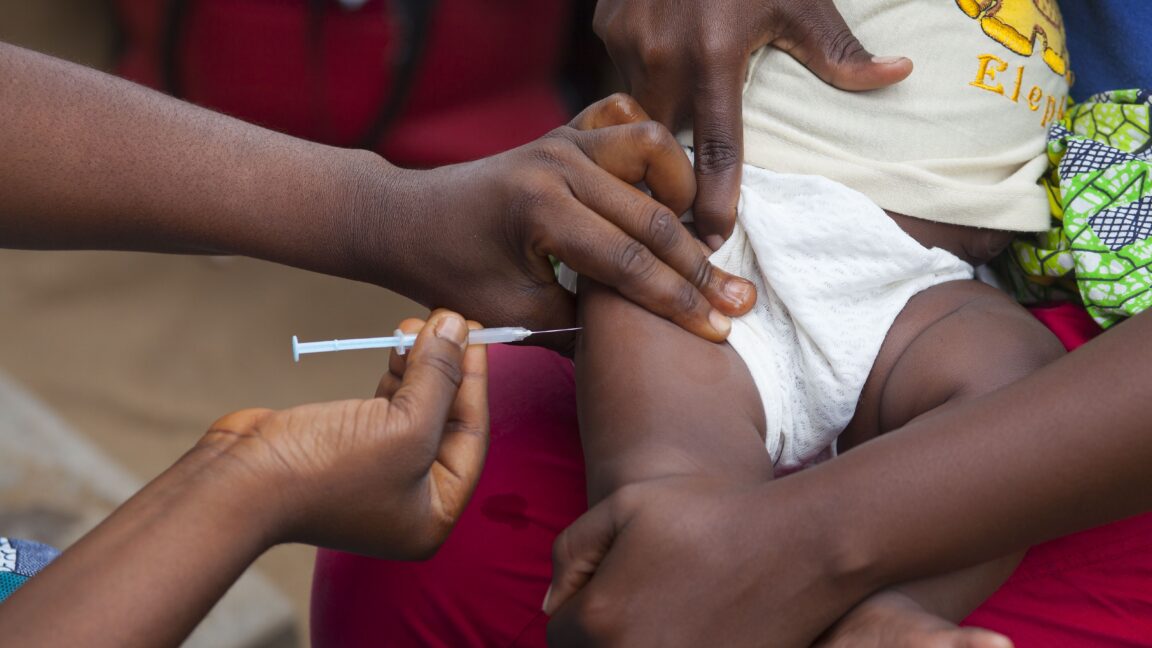
The World Health Organization (WHO) has condemned a clinical trial underway in Guinea-Bissau that appears to be withholding a potentially life-saving hepatitis B vaccine from some newborns, calling the practice unethical and scientifically unjustifiable. The trial, which has drawn criticism from global health experts, is evaluating the potential for alternative vaccination schedules, but the WHO argues that denying any newborn the established, highly effective birth dose is a dangerous gamble.
“Exploiting scarcity is not ethical,” the WHO wrote in a statement released today. The agency emphasized that the hepatitis B vaccine birth dose is “an effective, and essential public health intervention” utilized for over three decades in more than 115 countries. According to the WHO, the vaccine prevents life-threatening liver disease by stopping mother-to-child transmission at birth, a particularly critical concern in Guinea-Bissau where over 12 percent of adults live with chronic hepatitis B.
The WHO’s concerns center on the trial’s design, which, based on publicly available information, does not guarantee even a basic level of harm reduction for participants. The agency specifically noted the lack of screening for pregnant women to identify those carrying the hepatitis B virus and subsequent vaccination of exposed newborns. Withholding the vaccine exposes infants to the risk of chronic infection, cirrhosis, and liver cancer, outcomes the WHO asserts are preventable with the established vaccination protocol.
The WHO as well criticized the trial’s methodology, describing it as a single-blind, no-treatment-controlled design. This approach, the agency argues, introduces a significant risk of bias, undermining the reliability and practical relevance of any findings. The agency maintains there is no scientific basis for withholding a proven intervention and no credible evidence supporting the safety concerns cited by the trial’s proponents.
As of January 22, the trial had been suspended pending a technical and ethical review by health officials in Guinea-Bissau, according to reporting by Nature News. Quinhin Nantote, the country’s minister of public health, stated that a final decision regarding the study was delayed due to insufficient coordination. “Faced with this situation, we decided to suspend it,” Nantote said.
Prior to the suspension, the Africa Centres for Disease Control and Prevention indicated the trial would likely be halted. However, the US Department of Health and Human Services subsequently issued a statement claiming the trial was “proceeding as planned,” creating a conflicting narrative regarding the study’s status. The WHO estimates that 254 million people were living with chronic hepatitis B infection in 2022, with 1.2 million new infections each year. Hepatitis B resulted in an estimated 1.1 million deaths in 2022, primarily from cirrhosis and liver cancer.
The hepatitis B vaccine is typically administered shortly after birth, with booster doses following a few weeks later, offering nearly 100% protection against the virus, according to the WHO.
