
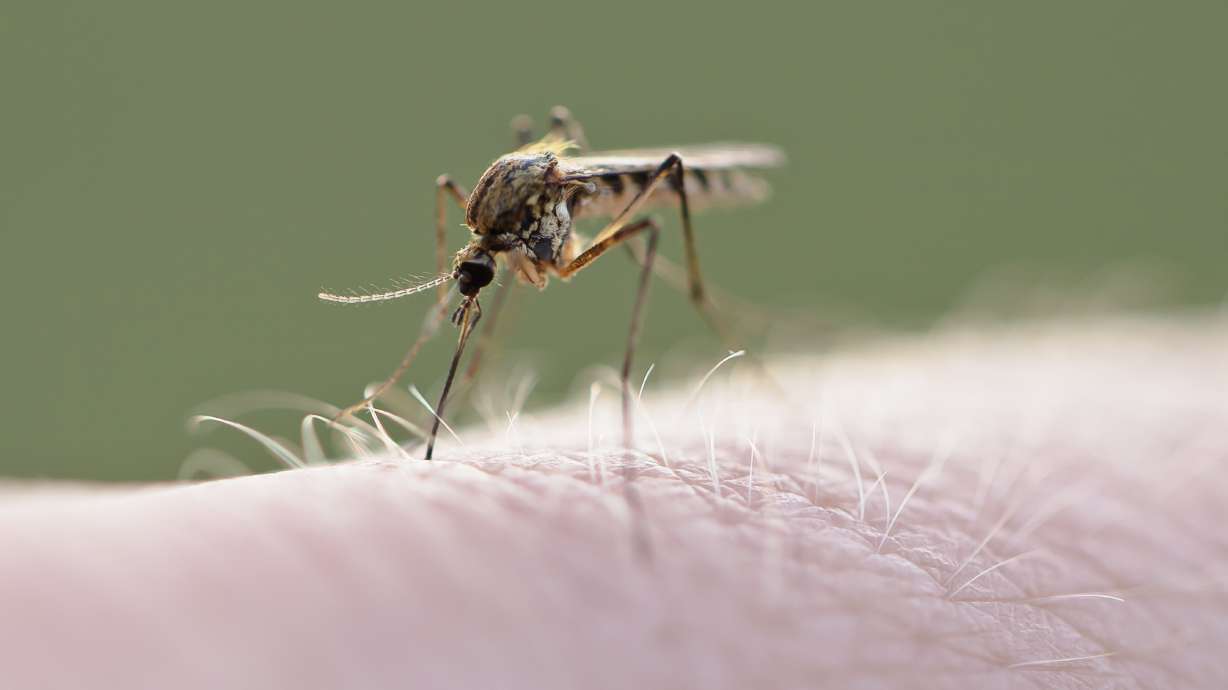
West Nile Virus Cases Rise in Utah, One Fatality Reported
PROVO, Utah – Health officials in utah are reporting an increase in human West Nile virus cases, including a tragic fatality in Davis County. As of Wednesday, a total of eight human cases have been confirmed across Davis adn Utah counties.
The Davis County Health Department has identified three cases within the county, two of which are neuroinvasive West Nile virus – a more severe manifestation of the disease. Both individuals with the neuroinvasive form required hospitalization, and sadly, one succumbed to the illness. Details regarding the deceased individual have not been released.
Utah County has confirmed five human cases, with four classified as neuroinvasive. According to a statement from the Utah County Health Department,”Between the high number of positive mosquito pools and multiple human cases with symptoms,it is clear that West Nile virus is actively being detected across Utah County.”
These recent cases follow the reporting of three additional human cases in Salt Lake and Cache counties in August.
In response to the increased activity, Utah County Mosquito Abatement crews are conducting assessments and implementing “targeted treatments” in affected neighborhoods. The department stated these efforts aim to reduce mosquito populations and minimize transmission risk.
Last year, the Utah Department of Health and Human Services reported 14 cases of West Nile virus statewide, 12 of which were neuroinvasive. one Utahn died from the disease in 2023.
West Nile virus symptoms typically appear between two and 14 days after a mosquito bite and can include fever, headache, rash, vomiting, body aches, and diarrhea.More severe cases can lead to neurological complications.Health officials emphasize that individuals aged 60 and over, as well as those with compromised immune systems, are at the highest risk of severe illness. However,anyone bitten by an infected mosquito can contract the virus.
To protect against West Nile virus, health departments recommend the following preventative measures:
Use insect repellent outdoors, particularly during dawn and dusk when mosquitoes are most active.
Wear long sleeves, pants, and socks at dawn and dusk. Eliminate standing water around homes, as mosquitoes can breed in small containers like buckets, bird baths, flowerpots, and clogged gutters. Ensure doors and windows have screens and repair any holes or tears.
Take extra precautions if you are older or immunocompromised.
This story might potentially be updated.
The Key Takeaways for this article were generated with the assistance of large language models and reviewed by our editorial team. The article, itself, is solely human-written.*
