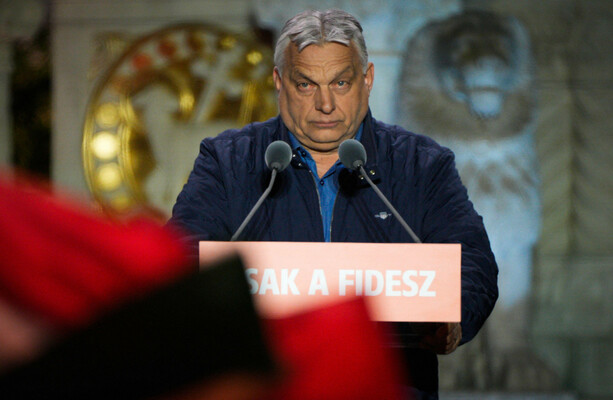
Viktor Orbán Concedes Defeat in Hungary Election After 16 Years in Power
Viktor Orbán has conceded defeat in Hungary’s national elections, marking the end of his 16-year tenure as the country’s leader.
The concession follows a tightly contested election cycle in which early results indicated a significant shift in the political landscape. Data from the vote showed the Tisza party, led by Péter Magyar, pulling ahead of Orbán’s Fidesz party, challenging the long-standing dominance of the current administration.
Election Results and Political Shift
The transition of power comes after more than a decade and a half of Fidesz leadership. Reports from Al Jazeera and other international outlets confirmed that early returns placed the Tisza party in a leading position, signaling a departure from the political status quo in Budapest.

The election was characterized by high tension and a narrow margin between the competing factions. Following the closure of the polls, the trajectory of the count led to the eventual admission of defeat by the Prime Minister.
Institutional Impact
Orbán’s departure from leadership concludes a period of significant influence over Hungary’s domestic and foreign policy. His administration was noted for its close ties with international figures, including Donald Trump, and a consistent ideological push against various European Union mandates.
The rise of Péter Magyar and the Tisza party represents a new institutional challenge to the Fidesz machinery. The transition now moves toward the formalization of the election results and the establishment of a new governing mandate.
The next phase of the transition involves the official certification of the vote totals by the national electoral commission.