
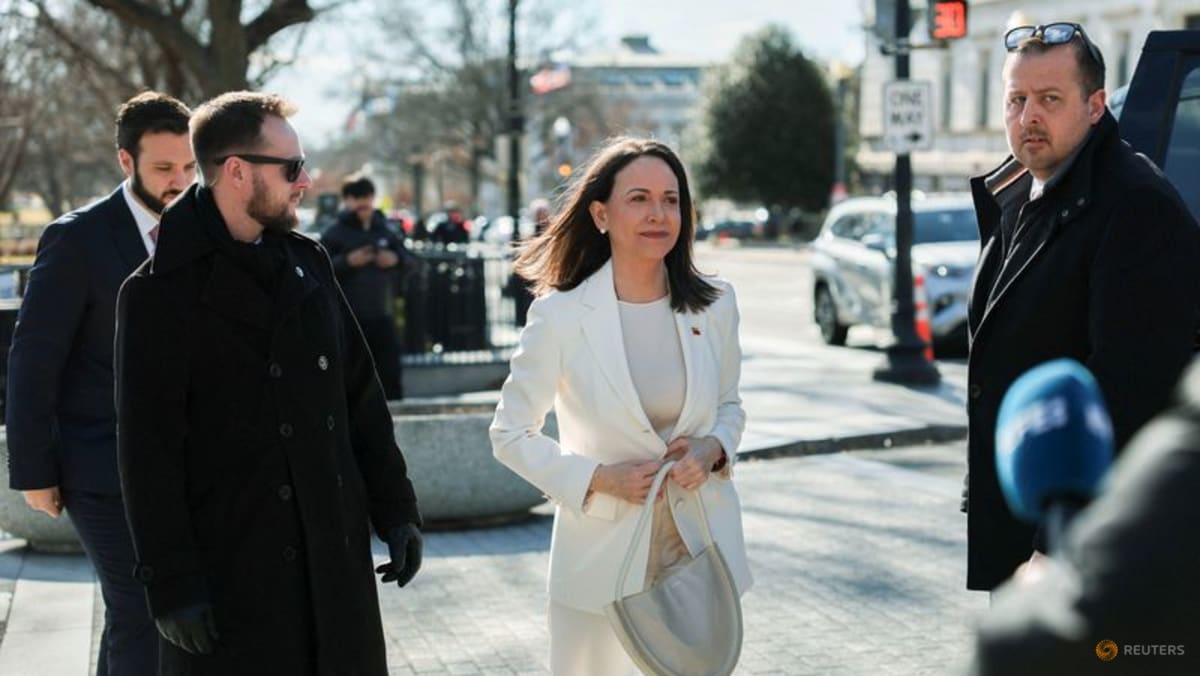
Machado’s Rocky path to Leadership: Navigating Political Minefields and Trump’s Skepticism
María Corina Machado, a prominent figure in Venezuela’s opposition, faces an uphill battle for leadership, especially with the lukewarm reception from former U.S. President Donald Trump. Even before any potential collaboration with a transitional Venezuelan government, Trump voiced doubts about Machado’s viability as a leader, stating it would be “very tough” for her to succeed. This hesitance underscores the complex geopolitical landscape surrounding Venezuela and the delicate balancing act machado must perform to gain international support.
A history of Defiance and Political Activism
Machado’s journey into the heart of Venezuelan politics began in 2004, fueled by a desire to challenge the ruling party under then-President Hugo Chávez. She co-founded Súmate, a non-governmental institution instrumental in promoting a referendum to recall Chávez. While the initiative ultimately failed, it marked Machado as a significant voice of opposition and a tenacious advocate for democratic change. the aftermath saw her and other Súmate executives facing charges of conspiracy – a pattern of repression frequently employed by the Chávez administration against its critics.
Diplomatic Tightropes and Shifting Alliances
Machado continued to push boundaries, notably in 2005 when she traveled to Washington D.C. to meet with President George W. Bush. A photograph of the meeting, capturing a handshake in the Oval Office, became symbolic of her willingness to seek international alliances and challenge Chávez’s anti-American rhetoric. Chávez vehemently opposed Bush, and machado’s meeting further strained relations between the two leaders. This move, while controversial domestically, signaled her determination to garner support from key international actors.
The 2024 Election and Subsequent Crackdown
Fast forward to 2024, and Machado successfully mobilized millions of Venezuelans to reject Nicolás Maduro’s bid for another term. However, the results were disputed, with the electoral authorities – widely seen as loyal to the ruling party – declaring Maduro the winner despite overwhelming evidence of irregularities. This outcome triggered widespread protests, which were met with brutal force by state security forces, highlighting the authoritarian nature of the Maduro regime. The situation reflects a deeply fractured nation and a government unwilling to engage in free and fair elections.
The Nobel Peace Prize and Trump’s Rejection of Shared Honor
In recognition of her unwavering commitment to democracy and human rights, machado was awarded the Nobel Peace Prize. Despite remaining in hiding for her safety,she briefly appeared in Oslo,Norway,in December to acknowledge the honor,with her daughter accepting the award on her behalf. Remarkably, Machado extended an invitation to share the prize with Donald Trump, acknowledging his past efforts to address the Venezuelan crisis. This gesture, however, was declined by the nobel Institute, underscoring the complexities of navigating relationships with possibly unreliable allies.
The Significance of Trump’s Skepticism
Trump’s recent comments cast a shadow over Machado’s prospects,particularly as the U.S. plays a crucial role in shaping the international response to the Venezuelan crisis. His skepticism coudl hinder potential negotiations and limit the effectiveness of any U.S.-backed transitional government. Understanding the reasons behind Trump’s reservations is critical. Some analysts suggest it stems from Trump’s preference for direct, transactional relationships and a distrust of established political norms. Others point to the influence of Maduro-sympathetic figures within Trump’s orbit.
Looking Ahead: Challenges and Opportunities
Machado’s path forward is fraught with challenges. She must navigate a deeply polarized political landscape, overcome the Maduro regime’s repression, and secure consistent support from the international community. Her ability to build bridges with key players, including the United States, will be paramount. Despite the obstacles, Machado represents a beacon of hope for a Venezuela yearning for democratic change, a nation burdened by economic devastation and political instability. Her resilience and unwavering dedication will likely continue to shape the future of Venezuelan politics for years to come.
Key Takeaways
- María Corina Machado has been a vocal opponent of the Venezuelan government since 2004.
- She’s faced significant personal risk, including charges of conspiracy and a need to remain in hiding.
- Her push for a democratic Venezuela has been met with resistance from the Maduro regime and skepticism from some international leaders,notably Donald Trump.
- the Nobel Peace Prize recognizes her dedication to human rights and democratic principles.
- Securing international support, particularly from the U.S., will be crucial for her future success.
