
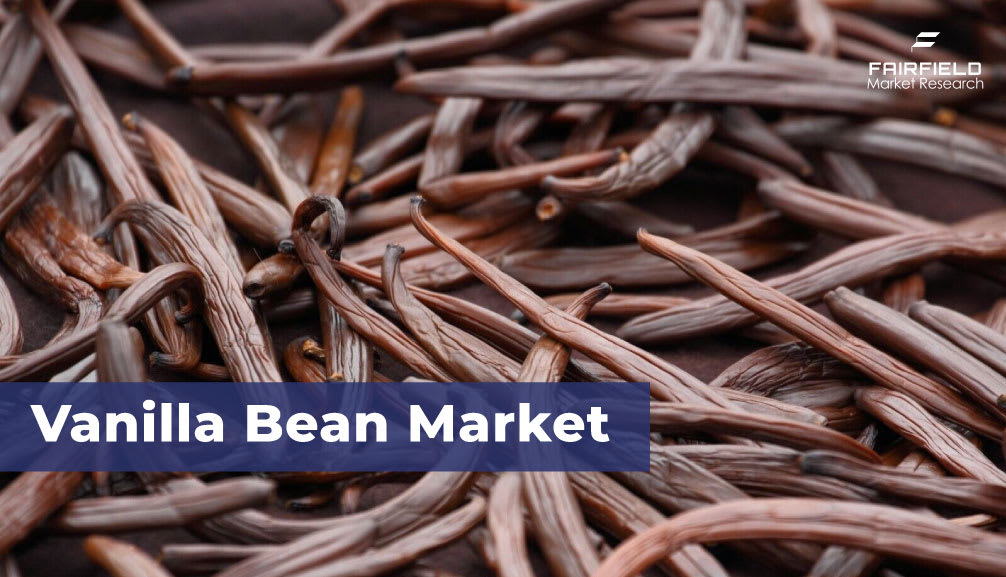
Vanilla Bean Market Reaches $1.7 Billion by 2032 Amidst Demand Surge
Natural Flavors and Sustainable Sourcing Drive Global Growth
The worldwide vanilla bean market is on an upward trajectory, expected to reach $1.71 billion by 2032. This growth is fueled by a strong consumer preference for natural flavors, increasing emphasis on ethical sourcing, and innovations in cultivation and packaging. The market is currently valued at $1.19 billion in 2025 and is projected to expand at a Compound Annual Growth Rate (CAGR) of 5.4%.
Vanilla’s Enduring Appeal in Food and Beyond
Vanilla continues to be a universally recognized and cherished natural flavor. Its versatility makes it a staple in a wide array of food and beverage products, from luxury ice creams and baked goods to emerging plant-based and functional foods. In the United States, a significant 45% of consumers associate vanilla with feelings of relaxation and comfort, highlighting its role in the expanding wellness sector.
North America leads global consumption and imports, while Europe, particularly France, Germany, and the Netherlands, accounts for over 70% of the continent’s imports. This demand is largely driven by the popularity of premium baked goods and the “clean label” trend. Emerging cultivation efforts in countries like India, Indonesia, and Japan are also helping to diversify global supply chains.
Key Growth Pillars Identified
Clean Label Dominance in Food & Beverage
The escalating demand for ingredients perceived as natural and free from artificial additives is a primary driver for the vanilla market. Vanilla’s inherent natural origin, its positive emotional associations, and its adaptable flavor profile make it a favored choice across both established and innovative product categories. In Europe alone, vanilla is incorporated into nearly 1,800 new food and beverage items annually, positioning it as a top flavor for product development.
Technological Advancements Boost Cultivation
Facing consistent challenges from supply and pricing volatility, the vanilla industry is embracing technological innovations. These include advancements like indoor curing, greenhouse farming, and precision agriculture techniques, all aimed at improving crop yields and enhancing vanillin content. Companies like Vanilla Vida are at the forefront, developing tech-driven, sustainable farming methods to ensure consistent quality and reliable production.
Ethical Sourcing Takes Center Stage
Consumer expectations are increasingly shaping the vanilla supply chain, with a growing focus on ethical practices. The Sustainable Vanilla Initiative (SVI), which now encompasses over 70% of global vanilla production, actively promotes traceability, fair labor conditions, and climate-resilient farming methods. Major players such as Meiji Holdings and the Vanilla Bean Project are aligning their operations with these values to support farming communities and cater to the rising consumer demand for ethically sourced products.
Navigating Market Hurdles
Regulatory Uncertainty Poses Challenges
Fluctuations in export regulations and government policies, particularly in key producing nations like Madagascar, introduce instability into the vanilla supply chain. Frequent changes in export laws, minimum pricing requirements, and communication delays can impede long-term buyer commitments and create an unpredictable environment for exporters and farmers. Consequently, many brands are actively exploring alternative sourcing regions to mitigate risks associated with volatile regulatory landscapes.
Emerging Trends and Future Opportunities
Premium and Sustainable Packaging Innovations
Packaging is emerging as a crucial differentiator in the competitive vanilla market. Brands like Nielsen-Massey and Heilala Vanilla are utilizing premium aesthetics, employing glass bottles, metallic labels, and artisanal packaging to convey authenticity, luxury, and high quality. Simultaneously, eco-conscious options such as compostable pouches and recyclable containers from companies like Singing Dog Vanilla are appealing to environmentally aware consumers.
Empowering Farmers and Strengthening Supply Chains
There is a growing commitment to empowering vanilla farmers through comprehensive training programs, fair trade partnerships, and access to cutting-edge cultivation techniques. National organizations, including VANEX (Vanilla Exporters Association), alongside international efforts like the SVI, are collaborating to build resilient, climate-smart vanilla supply chains that benefit all stakeholders, from farmers to buyers.
Regional Market Dynamics
North America Leads Consumption
North America maintains its position as the leading market for vanilla beans globally, driven by robust demand in the food, beverage, and personal care sectors. The United States spearheads imports, with vanilla widely utilized in premium ice creams, snacks, and cosmetic products. Collaborations with Madagascan farmers are actively supporting ethical sourcing and enhancing supply chain transparency.
Europe’s Focus on Organic and Sustainable Vanilla
Europe represents a significant market for organically and sustainably sourced vanilla. France, Germany, and the Netherlands are the primary importers. With a rise in organic product launches, European consumers are prioritizing transparency, fair trade certifications, and responsible sourcing practices, compelling brands to adopt more ethical procurement strategies.
Competitive Landscape
The vanilla bean market is characterized by intense competition, with leading companies focusing on supply chain transparency, sustainability initiatives, and premium product quality. Key players in this dynamic market include ADM, Symrise, Givaudan, Sambavanilla, Pure Vanilla, Naigai Flavors Co., Ltd., Eurovanille, Nielsen-Massey Vanillas, Inc., Venui, Laie Vanilla Company, and Golden Kelly Pat. Flavor Co., Ltd. These companies are strategically investing in technological innovation, fostering direct relationships with farmers, and differentiating their brands to capture market share and meet escalating global demand.
