Utah Wildlife Officials Ask Hunters to Check Deer for Wasting Disease
Mandatory Check Stations Deploy for Fall Deer Hunts
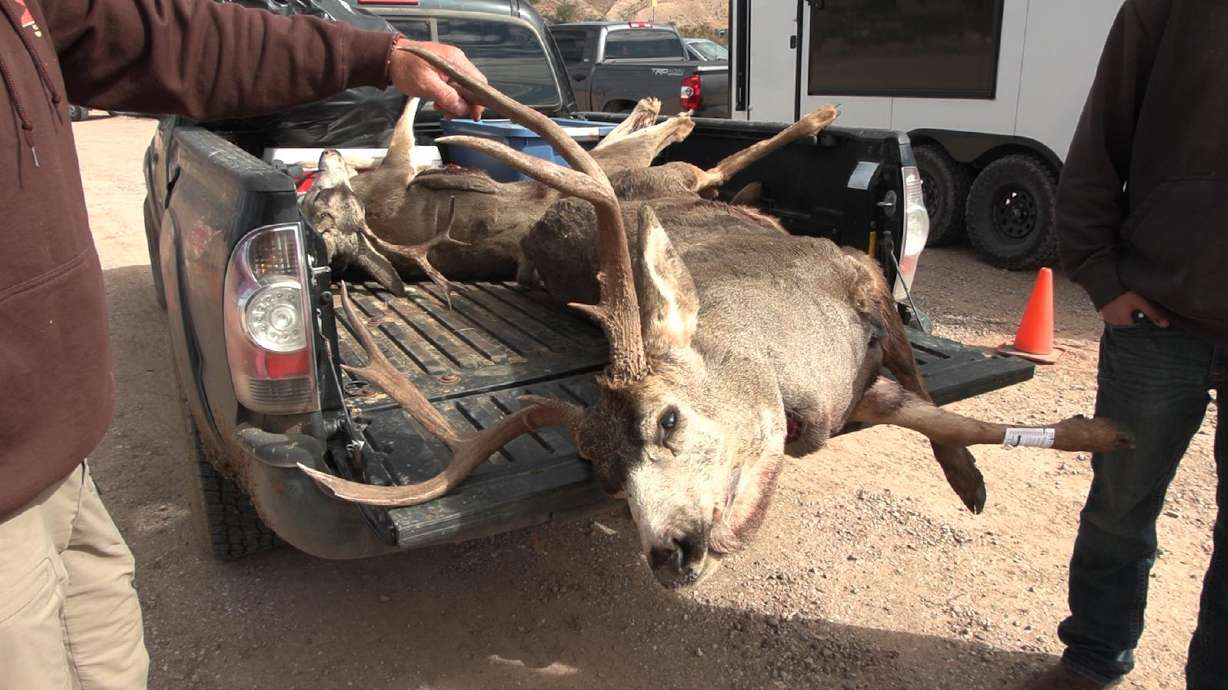
As reported by KSL.com, hunters who harvest deer across numerous Utah units are requested to visit check stations during the autumn seasons so that authorities can test for chronic wasting disease.
Fatal Neurological Degeneration in Cervids
The transmissible condition targets the nervous systems of cervids, including deer, elk, and moose. Infected animals develop brain lesions, appear listless, display droopy ears, and will eventually die from the progression of the disease. In the early stages of the infection, deer appear entirely healthy, including animals that may be harvested by hunters. Because visual inspection fails during early onset, testing remains the only way to know whether a harvested animal is infected.
Utah Tracks Chronic Wasting Disease in Deer and Elk
The Utah Division of Wildlife Resources relies heavily on information gathered at these check stations to track chronic wasting disease and preserve the health of the state’s deer herds. According to the division, the state has recorded 435 mule deer and 11 elk testing positive for the illness. The disease is found primarily in the northeastern and southeastern parts of the state.
Targeted Screening for Symptomatic Animals
If a hunter shot a deer this year that was extremely thin, walking in tight circles, or had excess saliva, the Utah Division of Wildlife Resources encourages getting the animal tested. Technicians are stationed in every region of the state to test deer for chronic wasting disease. Hunters seeking further details can visit wildlife.utah.gov.
Clinical Context and Educational Disclaimer
Chronic wasting disease is a transmissible condition affecting the nervous systems of deer, elk, and moose. Infected animals develop brain lesions, appear listless, exhibit droopy ears, and ultimately die. Early-stage infections show no visible external symptoms in deer, making laboratory testing the only definitive method of detection.
Disclaimer: The information provided in this article is for educational and scientific communication purposes only and does not constitute medical advice. Always consult with a qualified healthcare provider regarding any medical condition, diagnosis, or treatment plan.