
US-Philippines defense Ties Strengthened with Renewed Commitment to Interoperability
Table of Contents
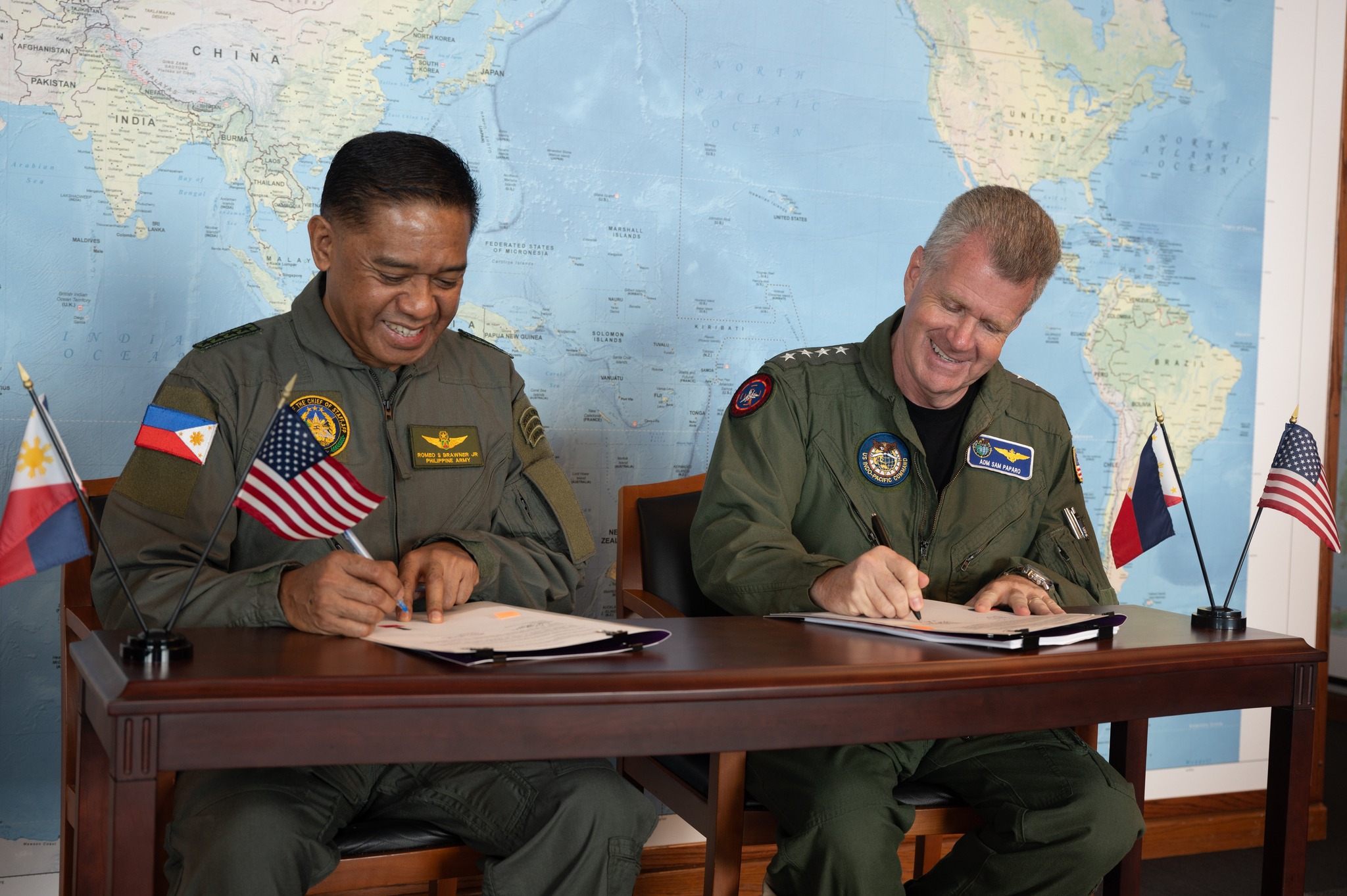
Camp Smith, Hawaii – The United States Indo-Pacific Command (USINDOPACOM) and the Armed Forces of the Philippines (AFP) have solidified their long-standing defense partnership, pledging to deepen collaboration and enhance interoperability throughout the Indo-Pacific region. The commitment was reaffirmed during the annual Mutual Defense Board-Security Engagement Board (MDB-SEB) meeting held August 7-8, 2025, at Camp Smith in Hawaii.
Strategic Dialog and Exercise Planning
Admiral Samuel J. Paparo, commander of USINDOPACOM, and General Romeo Brawner, Chief of Staff of the AFP, co-chaired the MDB-SEB. During the meetings, leaders approved a robust schedule of joint exercises, notably including the resumption of Exercise Balikatan in 2026. This exercise is a cornerstone of the US-Philippines military relationship,fostering crucial skills and coordination.
“During the visit, Paparo and Brawner signed the annual 8-Star memo and activities list, approving guidance and plans for continued collaboration, including Exercise Balikatan 2026, in the coming year,” USINDOPACOM stated. The leaders authorized over 500 joint engagements, encompassing both large-scale military drills and focused subject matter expert exchanges. These engagements are designed to build sustained interaction and improve operational readiness between the two militaries.
Did You Know? The 1951 Mutual Defense Treaty between the United States and the Philippines obligates both nations to defend each other in the event of an armed attack.
Enhancing Maritime Security and Regional Stability
USINDOPACOM emphasized the importance of bilateral and multilateral Maritime Cooperative Activities. These activities are vital for maintaining freedom of navigation and bolstering interoperability in a region facing increasing geopolitical complexities. These cooperative efforts align with the broader U.S. strategy for a free and open indo-Pacific, as outlined in the 2022 Indo-Pacific strategy of the United States [[3]].
Key Decisions and Collaborative Efforts
The MDB-SEB serves as a critical forum for renewing the shared commitment to the 1951 Mutual Defense Treaty. Established in 1958, the Mutual Defense Board, along with the Security Engagement Board established in 2006, provides a framework for ongoing security cooperation. This sustained dialogue is essential for adapting to evolving regional challenges.
| Event | Date | Importance |
|---|---|---|
| MDB-SEB Meeting | August 7-8, 2025 | Reaffirmed US-Philippines defense ties and approved joint exercises. |
| Exercise Balikatan Resumption | 2026 | Key exercise to enhance interoperability and readiness. |
| Mutual Defense Treaty Established | 1951 | Foundation of the US-Philippines security alliance. |
Pro tip: Understanding the ancient context of the US-Philippines alliance, rooted in the 1951 Mutual Defense Treaty, is crucial for interpreting current security collaborations.
What impact will these strengthened ties have on regional security dynamics? And how will the renewed focus on interoperability prepare both nations for future challenges?
Evergreen Context: The US-Philippines Alliance
The relationship between the United States and the Philippines is one of the oldest and strongest in Asia. Dating back to the early 20th century, the alliance has evolved through periods of close cooperation, strain, and renewal. The 1951 Mutual Defense Treaty remains the cornerstone of this relationship, providing a framework for security cooperation in the face of shared threats. Recent years have seen a renewed emphasis on strengthening the alliance, driven by concerns over China’s growing assertiveness in the South China Sea and the broader Indo-Pacific region. Joint military exercises, like Balikatan, are critical for enhancing interoperability and demonstrating a shared commitment to regional stability. Furthermore, the Philippines’ strategic location makes it a vital partner for the United States in maintaining freedom of navigation and promoting a rules-based international order.
Frequently Asked Questions
- What is the purpose of the MDB-SEB? The MDB-SEB is an annual meeting between USINDOPACOM and the AFP to discuss and plan security cooperation activities.
- What is Exercise Balikatan? Exercise Balikatan is a large-scale, annual military exercise between the United states and the Philippines designed to enhance interoperability and readiness.
- What is the 1951 Mutual Defense Treaty? This treaty obligates the United States and the Philippines to come to each other’s aid in the event of an armed attack.
- Why is the US-Philippines alliance significant? The alliance is crucial for maintaining regional stability, promoting freedom of navigation, and upholding a rules-based international order in the Indo-Pacific.
- What are Maritime Cooperative Activities? These activities involve joint naval exercises and patrols aimed at enhancing maritime security and interoperability.
We invite you to share this article with your network, join the conversation in the comments below, and subscribe to our newsletter for the latest updates on global security and defense.
