
Trade Tensions Escalate as Deals Loom
The administration anticipates several significant trade announcements soon, even as other countries voice worries over current policies, creating a tense global economic climate.
Impending Trade Deals
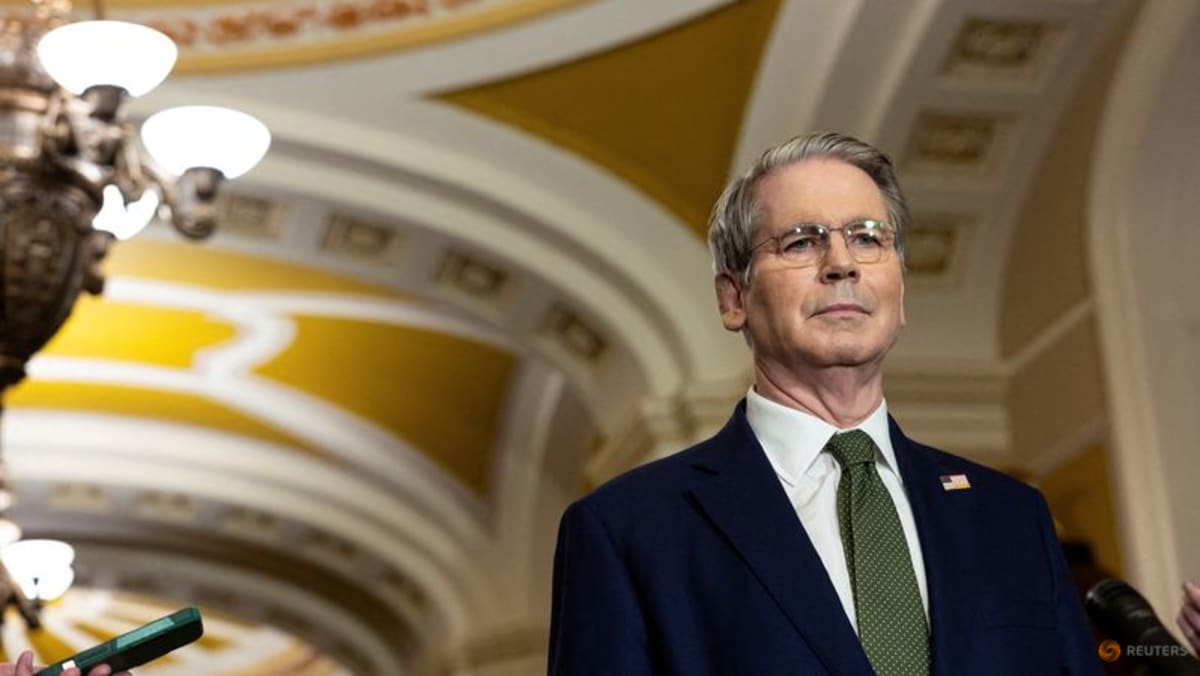
Bessent indicated that the administration is on the verge of finalizing multiple trade agreements, stating, “I would expect to see several big announcements over the next couple of days.”
However, he declined to identify the specific countries involved.
‘Maximum Pressure’ Tactics
Speaking aboard Air Force One, Trump suggested that issuing notices regarding trade terms would streamline negotiations. He stated sending notices would be much easier than “sitting down and working 15 different things … this is what you have to pay, if you want to do business (with) the United States.”
Bessent defended the administration’s approach, refuting claims of using threats instead of negotiation. He clarified that the stated date was not a deadline but a point when changes would take effect.
“It’s not a new deadline. We are saying, this is when it’s happening. If you want to speed things up, have at it. If you want to go back to the old rate, that’s your choice,”
—Bessent
He asserted the strategy involves applying “maximum pressure,”
citing progress with the European Union after an initial slow response. As of 2023, the U.S. goods and services trade with the EU totaled $1.188 trillion, making it a vital economic partnership USTR.gov.
Global Unease Persists
Despite potential deals, unease remains among key international players. Shigeru Ishiba, Japan’s Prime Minister, conveyed on Sunday he “won’t easily compromise”
in trade discussions with Washington.
Furthermore, BRICS leaders convening in Rio de Janeiro voiced “serious concerns”
over what they deemed “indiscriminate”
import tariffs, cautioning against the potential harm to global commerce.
When questioned about the inflationary risks of increased tariffs, Bessent differentiated between “inflation and one-time price adjustments,”
asserting that the US is not experiencing a generalized monetary phenomenon.
