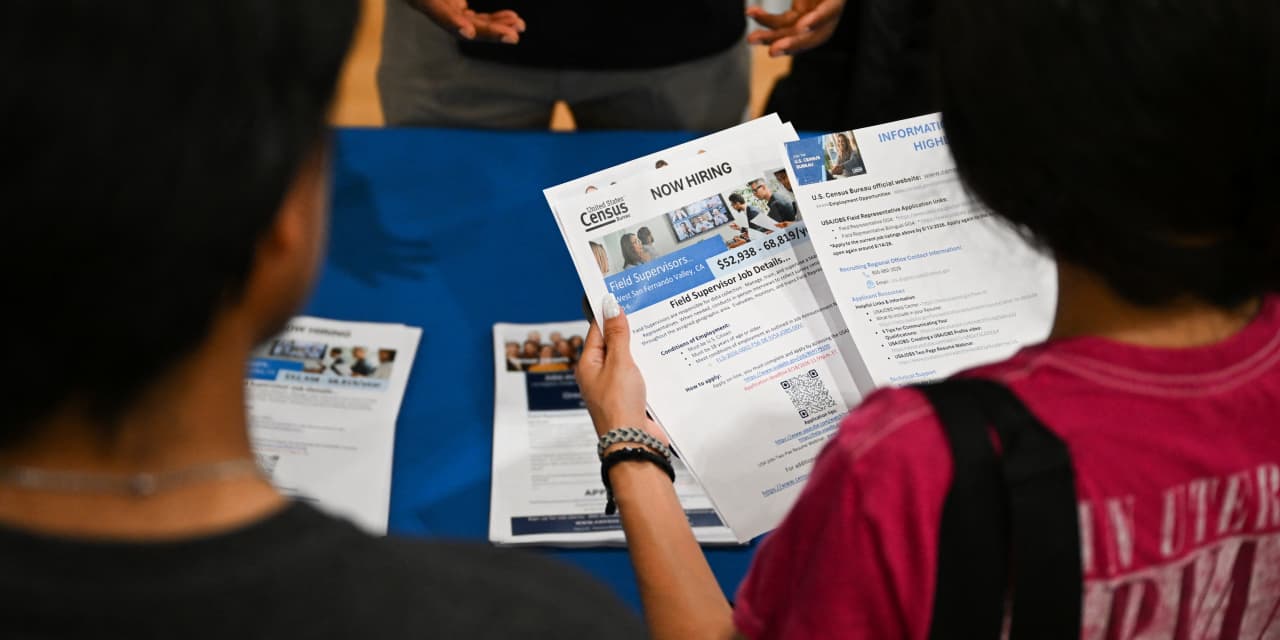
US Job Growth Slows to 7-Month Low in August, ADP Reports
U.S. businesses created just 38,000 new jobs in August, according to the ADP employment report released on September 2, 2026. This increase marks the second small monthly gain, signaling a summer hiring slowdown and falling well short of the 47,000 jobs forecasted by Wall Street.
August Hiring Data and Sector Breakdown
The estimated 38,000 increase in private-sector jobs for August follows a slightly revised gain of 46,000 in July, per ADP figures. According to ADP chief economist Nela Richardson, the current labor market is characterized by choppy hiring. The last time job creation dipped to this level was at the start of the year, driven by an unusually harsh winter and a post-holiday lull.
Most new positions remained concentrated within healthcare, sustained by an aging population requiring consistent additions of doctors, nurses, and healthcare assistants. Modest hiring gains also materialized in construction and finance. A boom in artificial intelligence has sparked the building of large data centers, while a rising stock market has increased demand for financial advice. Conversely, employment declined in most other major industries across the private sector.
Wage growth mirrored the tepid hiring environment. The average increase in wages sat at just 3% for the 12 months ending in August, bumping along prepandemic lows. If businesses were hiring more aggressively, wages would rise more rapidly.
Federal Reserve Policy and Market Reactions
Federal Reserve officials are closely monitoring these indicators as they weigh whether to raise interest rates this month to help reduce inflation. Top Fed policymakers continue to view the broader labor market as in good condition. “The labor market is solid, it’s stable,” John Williams, president of the New York Federal Reserve Bank, said in a CNBC interview Wednesday.
While businesses are not initiating widespread layoffs, hiring remains constrained. Under federal mandate, the central bank must balance dual objectives of ensuring low unemployment alongside low inflation. Analysts note that the U.S. economy does not need to add as many new jobs as it historically did to keep the unemployment rate low, largely due to a slow-growing population. Summer hiring has been unusually weak for three consecutive years based on Bureau of Labor Statistics data, though current trends suggest jobs remain difficult to find.
Financial markets were set to rise slightly in Wednesday trading. The Dow Jones Industrial Average and the S&P 500 were set to rise slightly in Wednesday trading, keeping attention squarely fixed on the official U.S. employment report scheduled for Friday from the Bureau of Labor Statistics, which economists predict will show a 53,000 increase in August jobs.
Fiscal Pressures and Corporate Strategy
