
WASHINGTON – U.S. Military strikes against Iranian and proxy targets began late Saturday, following weeks of escalating tensions and a surprise announcement by former President Trump at his Mar-a-Lago resort. The attacks, described by Trump as aimed at “totally obliterating” Iran’s missile capabilities and dismantling its network of regional proxies, mark a significant escalation in the long-standing conflict between the two nations.
The operation unfolded after intelligence assessments, reported by Reuters, indicated that hardline elements within Iran’s Islamic Revolutionary Guard Corps (IRGC) were prepared to assume control should Ayatollah Ali Khamenei have been killed. This assessment reportedly factored into the timing and scope of the military action. The death of Ayatollah Ali Khamenei, confirmed earlier this week, has created a power vacuum within the Iranian regime, a situation the U.S. Appears to be exploiting.
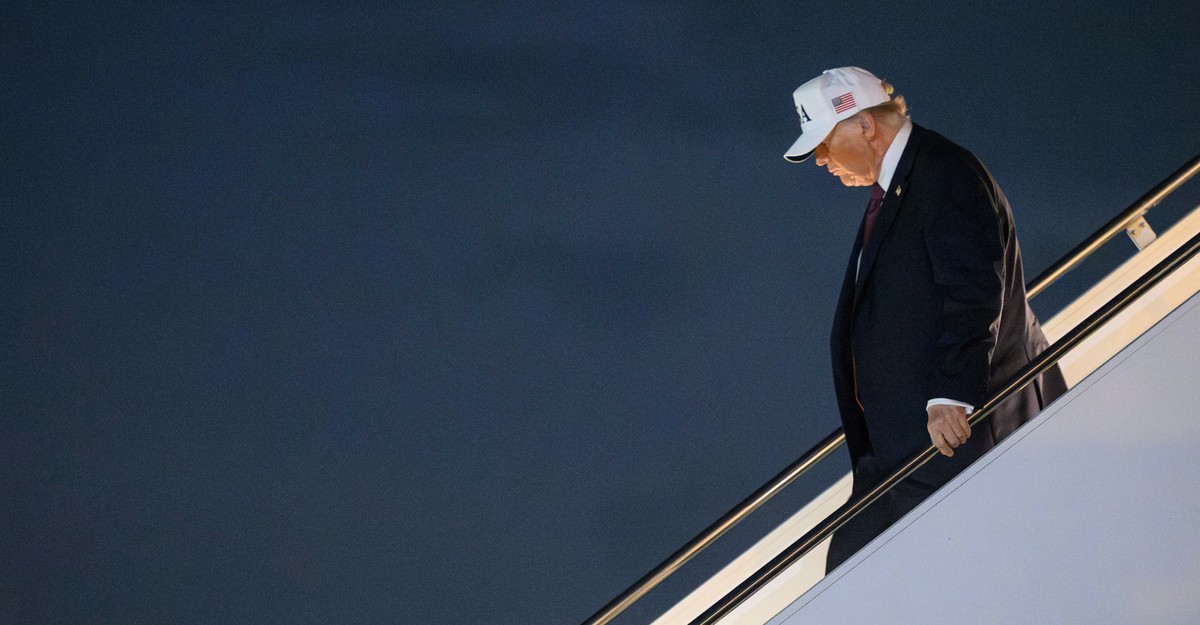
Trump, speaking without a tie and wearing a baseball cap, outlined ambitious war aims, including the “annihilation” of Iran’s navy and the disruption of its proxy forces in the region. He directly addressed the Iranian people, urging them to seize control of their government, stating, “The hour of your freedom is at hand.” This call to action, however, has raised concerns about a potential moral hazard, as highlighted in analysis by Politico, which notes the potential for a violent backlash against Iranian citizens should an uprising fail.
The strikes are occurring against a backdrop of internal division within the U.S. Government. Reports indicate Secretary of Defense is pursuing personnel changes within the military, shifting focus away from traditional academic fellowships and towards institutions like Liberty University and Hillsdale College. Simultaneously, a dispute with Anthropic, a leading artificial intelligence company, is diverting resources and attention from the ongoing military operation.
While the initial phase of the operation appears to be focused on air strikes, coordinated with clandestine operations by the U.S. And Israel, the long-term outcome remains uncertain. Iran has reportedly planned for such an eventuality, and despite widespread discontent with the regime, it retains a significant base of support, including those benefiting from its largesse and those complicit in its actions.
The immediate reaction from Iran’s regional proxies has been to lie low, according to initial reports, but the potential for escalation remains high. Russia and China, while thus far remaining largely on the sidelines, could be drawn into the conflict if it expands. Israel, having previously dismantled Iran’s Russia-supplied air defense system, is positioned to play a key role in the unfolding events.
The war’s impact on the broader Middle East is expected to be significant, with Saudi Arabia, the United Arab Emirates, Turkey, and Israel all vying for influence in the event of a weakened or collapsed Iranian regime. The United States will likely be called upon to manage the resulting instability and address any remaining threats posed by the remnants of the Iranian government.
As of Sunday, March 1, 2026, the extent of damage inflicted by the strikes remains unclear, and the White House has not yet outlined a comprehensive plan for the post-conflict period. The fate of the Iranian people, whom Trump encouraged to revolt, hangs in the balance, and the potential for a protracted and destabilizing conflict looms large.
