US-Iran Tensions Escalate: Will the Hormuz Strait Reopen Amid Nuclear Deal Talks?
As of June 14, 2026, the United States and Iran are reportedly nearing a diplomatic agreement to halt Tehran’s nuclear proliferation and reopen the Strait of Hormuz. The potential deal, currently under negotiation with mediation from Qatar, aims to stabilize global energy markets and de-escalate ongoing regional military tensions.
The Diplomatic Pivot: Tehran’s Nuclear Concessions
Negotiations have intensified following reports that Tehran has agreed to strict limitations on its nuclear program. According to multiple reports from ANSA and Il Sole 24 ORE, the draft agreement includes a formal commitment from Iran to neither produce nor acquire an atomic weapon. This shift in posture follows months of mounting pressure from both the U.S. administration and regional stakeholders concerned with the destabilization of the Persian Gulf.

The involvement of Qatari envoys in Tehran, as noted by Il Fatto Quotidiano, signals a concerted effort to move beyond the stalemate that has defined U.S.-Iran relations since the breakdown of previous multilateral agreements. If finalized, the deal would represent a significant departure from the cycle of sanctions and military posturing that has dominated the region throughout the early 2020s.
Strait of Hormuz and Global Supply Chain Security
The economic stakes of these talks center on the Strait of Hormuz, a critical maritime chokepoint through which approximately 20% of the world’s total petroleum consumption passes, according to data from the U.S. Energy Information Administration. The commitment to reopen the strait is not merely a diplomatic gesture; it is a vital necessity for global energy security.

For multinational corporations, the volatility in this region has historically necessitated a reliance on International Risk Management Consultants to mitigate exposure to maritime blockades and sudden cargo insurance spikes. As the geopolitical temperature cools, logistics firms are beginning to reassess their maritime routes, though caution remains the prevailing sentiment among major shipping conglomerates.
The Macro-Economic Ripple Effect
The potential for a thaw in U.S.-Iran relations arrives at a time when global markets are particularly sensitive to energy price fluctuations. When maritime corridors are threatened, the cost of capital for firms operating in the Middle East rises in tandem with insurance premiums.
“Stability in the Persian Gulf is the prerequisite for any meaningful recovery in regional FDI,” notes Dr. Elena Vance, a senior fellow at the Council on Foreign Relations. “However, corporate actors are right to remain skeptical. A signed memorandum is only as strong as the verification mechanisms embedded within it.”
In response to these uncertainties, many firms are engaging Cross-Border Trade Legal Specialists to ensure that any potential influx of Iranian trade or easing of sanctions complies with remaining, non-nuclear-related U.S. restrictions. The complexity of these sanctions regimes means that even as diplomatic doors open, the regulatory burden for firms remains high.
Comparative Analysis: Skepticism vs. Progress
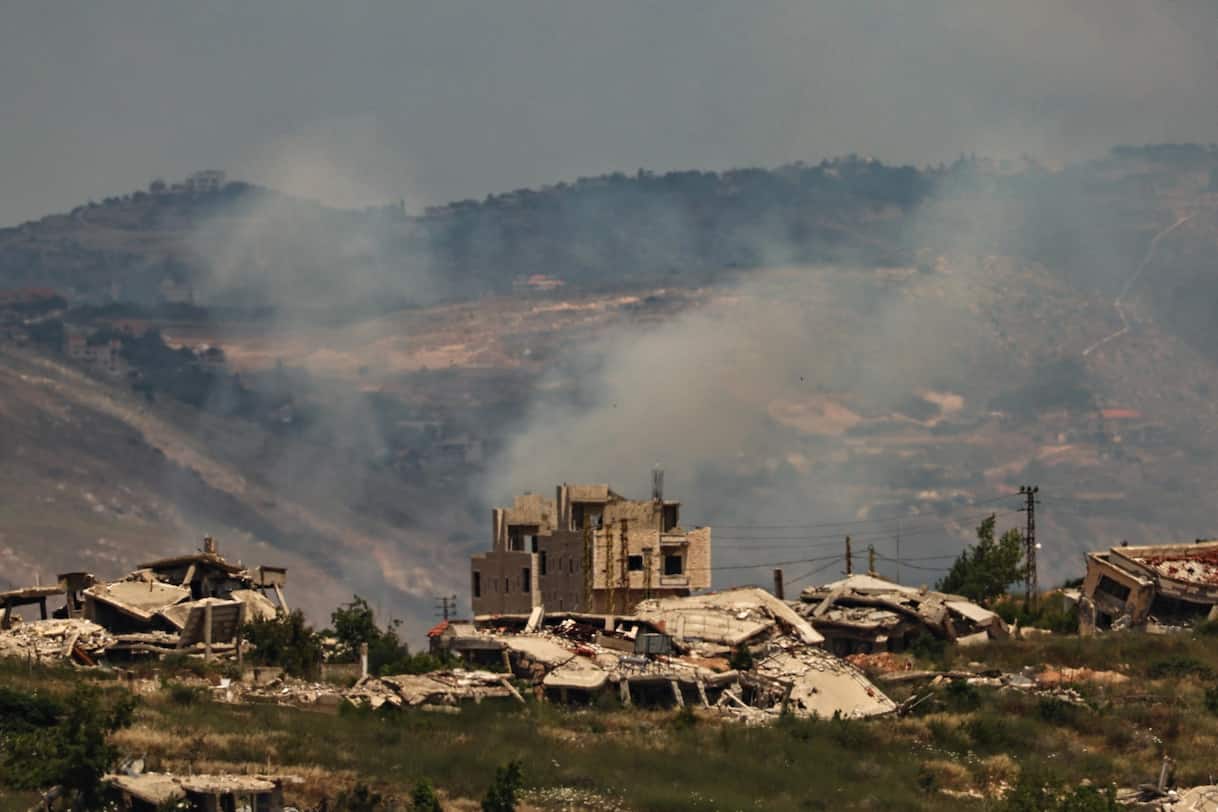
The current reporting environment presents a clear divide between official optimism and historical reality. While Vatican News highlights the atmosphere of “waiting for the signing,” other observers point to the ongoing conflict in Lebanon as a reminder that regional tensions are not monolithic.

| Factor | Status | Impact |
|---|---|---|
| Nuclear Proliferation | Proposed Halt | High (Global Security) |
| Hormuz Transit | Scheduled Reopening | Critical (Energy Market) |
| Regional Conflict | Ongoing (Lebanon/Israel) | High (Geopolitical Friction) |
The disconnect between the progress in Tehran and the continued kinetic activity in the Levant suggests that any agreement will be highly compartmentalized. Investors should not expect a broad regional peace, but rather a narrow, functional arrangement designed to prevent a total economic shutdown of the Persian Gulf.
Navigating the New Geopolitical Reality
As the situation develops, the ability to interpret these shifts in real-time will define the success of international operations. The transition from a state of active blockade to a functional, albeit tense, reopening of the Strait of Hormuz creates a specific set of challenges for global procurement teams.
Companies that have spent the last year diversifying their supply chains away from the Middle East may now find themselves needing to quickly pivot back to take advantage of lower transit costs. This requires immediate access to Global Supply Chain Strategy Partners who can model the impact of these changes against existing, more expensive alternatives.
The diplomatic chessboard is moving rapidly. While the headlines focus on the nuclear component, the true test of this agreement will be the sustained, unhindered flow of commodities through the Strait. For the corporate world, the immediate task is one of disciplined monitoring—waiting for the ink to dry while maintaining the protective infrastructure that has kept them afloat during the recent months of uncertainty.