US-Iran Stalemate: Naval Blockades, Oil Flows, and the Risk of Escalation
Iran’s oil export infrastructure faces a deepening liquidity crisis as the U.S. naval blockade restricts revenue flows, forcing Tehran to weigh extreme escalatory measures.
The Erosion of the U.S. Naval Blockade
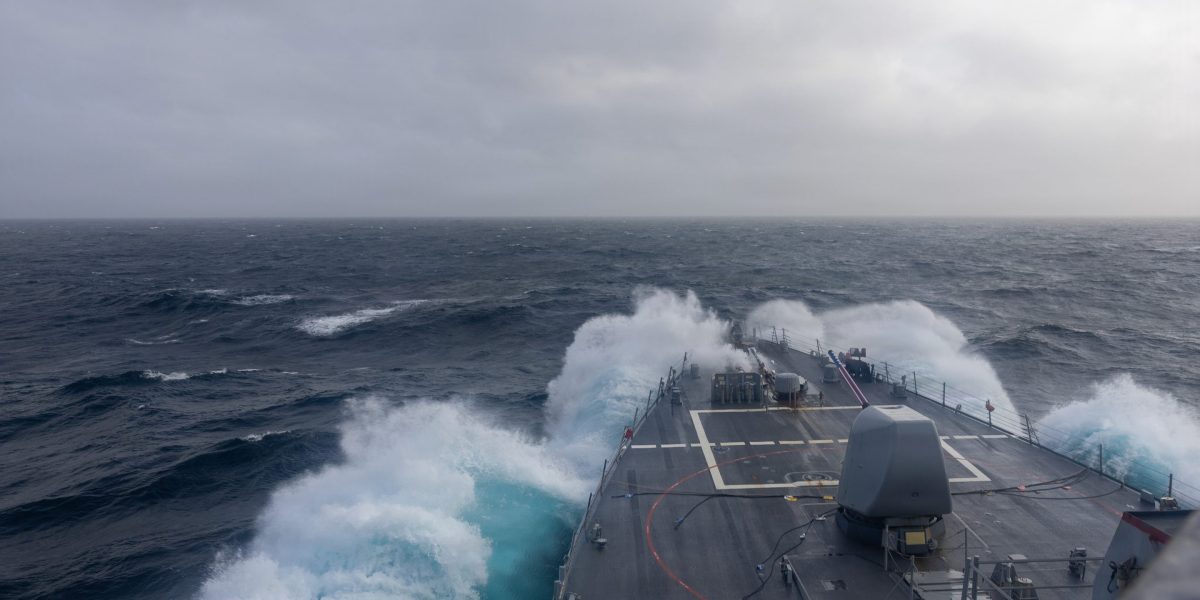
The U.S. strategy to neutralize Iranian crude exports is currently under significant logistical strain. The U.S.S. This operational intensity is compounded by a thinning inventory of interceptor munitions. The depletion of these critical assets reportedly factored into the Trump administration’s decision to call off a major re-escalation of war, leaving a gap between the blockade’s stated objectives and its enforcement capacity.
Clandestine Export Flows and the Shadow Fleet
Despite the blockade, Tehran continues to move crude through a clandestine network of vessels. While the Trump administration estimates that 8 million to 9 million barrels per day (bpd) are successfully exported via ship-to-ship transfers, analysts place this figure closer to 7 million bpd. This represents a significant contraction from pre-war baselines of approximately 20 million bpd. Regional neighbors—including Iraq, Qatar, the UAE, and Kuwait—are actively utilizing “dark” fleet tankers to facilitate these movements, effectively creating a shadow supply chain that keeps global oil prices from surging.
Escalation Rhetoric and Infrastructure Vulnerability
Tehran’s posture is shifting from defensive posturing to active threats against regional infrastructure. Mohammad Bagher Ghalibaf, the Speaker of the Iranian Parliament, recently issued a direct warning that no infrastructure in the region will remain safe if Iran’s own oil exports are curtailed. This rhetoric, described by Bahraini analyst Ahmed Alkhuzaie as a “dangerous escalation,” signals a move to collapse the distinction between U.S.-aligned military targets and the sovereign economic assets of Gulf nations.
The credibility of these threats is underscored by recent kinetic activity. According to reporting by The Jerusalem Post, cruise missile strikes have already destroyed critical data infrastructure owned by Amazon, as well as power and water desalination facilities in Kuwait. These attacks, while framed by some as “psychological theater,” represent a tangible threat to the operational continuity of regional technology and utility sectors.
Fiscal Pressures and the Search for Market Stability
The Iranian economy, already in shambles before the war, is suffering from the dual pressure of reduced export revenue and internal inflation. Majidreza Hariri, head of the Iran-China Joint Chamber of Commerce, acknowledged that the economic impact of the blockade may ultimately exceed that of conventional warfare. This assessment is driving a consensus within the regime that the status quo is unsustainable. As Eric Brewer, a former U.S. intelligence official, noted, Iran has historically demonstrated a higher threshold for economic hardship than the U.S. public, implying that Tehran is likely to favor aggressive external action over domestic concession.

The current equilibrium is essentially a countdown. With the U.S. naval capacity stretched and Tehran’s economic survival strategy reaching a state of desperation, the probability of a sudden, violent re-escalation remains high.