US Foreign Policy 25 Years After 9/11: Rising Debt, Defense Spending, and Diplomatic Decline
According to data and research from the Chicago Council on Global Affairs, Millennials and Generation Z view international affairs through a lens of strategic overreach, economic instability, and domestic neglect, marking a historic divergence from older generations who remember the post-World War II liberal international order.
The divergence is not merely a philosophical disagreement on statecraft. It is a direct fiscal and operational reality that impacts capital allocation, corporate risk models, and international trade strategy. As younger cohorts ascend into corporate leadership and purchasing power, their skepticism toward traditional statecraft forces multinational organizations to rethink how they manage geopolitical risk.
For enterprises operating across borders, navigating this generational shift requires sophisticated legal and operational alignment.
Formative Years Shaped by Crisis and Overreach
The economic and geopolitical landscape of the early 21st century left an indelible mark on younger cohorts. Millennials and Generation Z entered adulthood against the backdrop of the War on Terror, the 2008 financial crisis, the rise of Trumpism, and the COVID-19 pandemic. Today, these same demographics face structural domestic hurdles, including high student loan burdens, an inaccessible housing market, and compressed wage growth.
According to Chicago Council research, majorities of Millennials (57%) and Generation Z (61%) believe the United States should scale back its involvement in global affairs. Instead, they argue that limited national resources should be redirected toward domestic remediation. This sentiment contrasts sharply with older demographics. Research dating back to 1974 shows that three-quarters of the Silent Generation (77%) and Baby Boomers (73%) support an active global role for the United States, while Generation X sits in the middle at 59%.
Isolationism among younger citizens stems from a perception that traditional foreign interventions yield negative domestic returns. When capital expenditure is diverted toward foreign defense commitments rather than infrastructure or domestic economic stimulus, corporate stakeholders notice the drag on regional markets.
The Information Ecosystem and Media Fragmentation
The mechanism by which younger Americans consume news exacerbates this generational divide. Traditional broadcast and cable networks, which historically mobilized public support for a robust international presence, no longer command primary authority over youth information diets.
Data from globalaffairs.org indicates that 37% of Millennials and 46% of Generation Z primarily source their news from digital media channels, including social media platforms, podcasts, and blogs. These formats rely heavily on short-form, user-generated content that often bypasses traditional editorial standards. Consequently, complex geopolitical conflicts are frequently distilled into emotional, polarizing narratives.

Simultaneously, educational deficits compound the problem. Reporting from foreigndesknews.com highlights that foundational instruction in civics and history has waned. A 2004 National Assessment of Education Progress report noted that three-quarters of eighth graders tested below proficient in geography, a trend that persisted as school curricula pivoted toward modern social and political frameworks. Without a firm grasp of constitutional structures, treaty ratification processes, or the baseline behavior of authoritarian regimes like China, Russia, and Iran, younger populations often view international events as isolated incidents rather than systemic drivers of global stability.
Managing the compliance risks associated with decentralized digital narratives and cross-border regulatory scrutiny requires robust corporate governance.
Economic Realities and Defense Spending Pressures
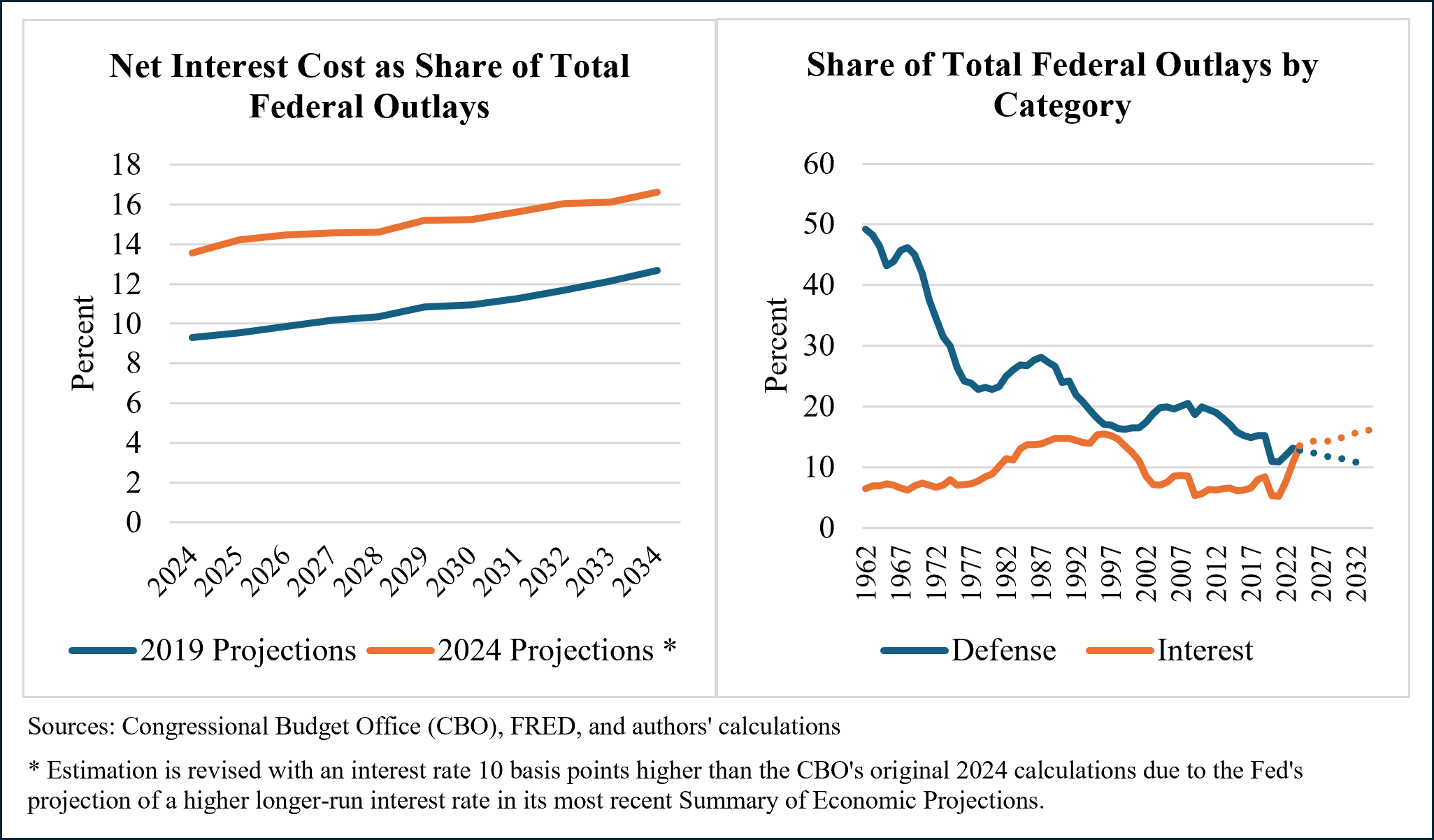
The macroeconomic implications of a starved diplomatic apparatus and ballooning defense expenditures present direct challenges for corporate finance departments. As diplomatic channels remain underfunded, businesses face heightened volatility in foreign markets, unpredictable tariff implementations, and sudden supply chain disruptions.

Corporate risk officers can no longer rely on stable, predictable bilateral state relations. When diplomacy fails, market volatility spikes, forcing treasury teams to alter hedging strategies and liquidity management. Institutional investors tracking these trends look closely at how corporations allocate capital in volatile regions.
The trajectory of American foreign policy rests on how future leaders reconcile domestic economic pressures with international obligations. For businesses navigating this prolonged period of uncertainty, agility remains the primary defense.