
US-Iran Peace Negotiations in Islamabad: Implications and Global Impact
United States and Iranian delegations are convening in Islamabad, Pakistan, starting April 11, for high-stakes ceasefire talks. Mediated by Pakistan, these negotiations aim to end a war triggered by US-Israeli strikes on Iran’s Supreme Leader, which has killed thousands and paralyzed the global oil trade via the Strait of Hormuz.
The world is currently operating under a cloud of extreme volatility. Since February 28, the geopolitical center of gravity has shifted from diplomatic maneuvering to raw, kinetic warfare. The catalyst—coordinated US and Israeli strikes that killed Supreme Leader Ayatollah Ali Khamenei—did more than just decapitate the Iranian leadership; it shattered the fragile stability of the Middle East and sent a shockwave through the global energy markets. When the Strait of Hormuz closes, the global economy stops breathing.
This is not merely a regional conflict. It is a systemic failure of deterrence that has forced a desperate, last-minute pivot toward diplomacy. For multinational corporations, the fallout is tangible: soaring energy costs, severed supply chains, and an unpredictable security environment. To survive this era of “permanent crisis,” firms are increasingly relying on geopolitical risk consultants to map out contingency plans for a world where the primary oil arteries can be severed overnight.
The Islamabad Lockdown: A Capital Under Pressure
The streets of Islamabad are eerily silent. A sudden two-day public holiday has been declared, effectively placing the Pakistani capital under a strict security lockdown. Behind the barricades of the “Red Zone,” the atmosphere is one of feverish urgency. Pavements are being freshly painted and security presence is being bolstered to an unprecedented level. This is the theater for a “make-or-break” weekend.
Pakistan is hosting the first direct talks between Washington and Tehran in years. It is a stunning diplomatic ascension for a nation that has spent the last decade battling internal militancy and a crumbling economy. By positioning itself as the indispensable bridge, Islamabad is attempting to rewrite its global narrative.
The Iranian delegation is scheduled to arrive Thursday night, as confirmed by Reuters. They enter a city that has become a fortress, tasked with negotiating an off-ramp from a war that has already claimed thousands of lives.
The Trump Pivot: From “Lies and Deceit” to Strategic Necessity
The composition of the US delegation signals the gravity of the moment. Vice President JD Vance is expected to attend, marking the most senior US official visit to Pakistan since 2011. He is joined by special envoy Steve Witkoff and Jared Kushner.
The optics are jarring. During his first term, President Donald Trump famously accused Pakistan of providing Washington with “nothing but lies and deceit.” Now, the White House is leaning on Islamabad to prevent a total global energy collapse. This transition from suspicion to strategic reliance underscores a fundamental truth of realpolitik: geographic necessity overrides historical grievances.
Pakistan’s leverage is rooted in its 900-kilometer border with Iran and its deep-rooted ties to ethnic Baloch populations on both sides. This unique positioning has allowed it to broker a two-week ceasefire that, while currently under strain, provides the only viable window for a permanent resolution. As these diplomatic shifts occur, international firms are scrambling to restructure their regional footprints, often consulting international trade lawyers to navigate the complex web of sanctions and emerging ceasefire agreements.
“The fact that Pakistan was able to pull this diplomatic breakthrough at the last minute definitely earns it a lot of credibility.”
— Farwa Aamer, Director of South Asia Initiatives at the Asia Policy Institute.
The Friction Points: Lebanon and the Fragile Truce
The “Islamabad Talks” are not happening in a vacuum. The two-week ceasefire is already fraying. The primary point of contention is the interpretation of the pause in fighting, compounded by Israel’s intensified bombing of Lebanon. This escalation threatens to derail the negotiations before they even begin.
France and the United Kingdom are reportedly pushing for Lebanon to be included in the core points of the US-Iran agreement. They recognize that a peace deal that ignores the Levant is a house built on sand. The conflict has evolved into a multi-front war, with Iran’s attacks on Gulf neighbors leaving the world’s biggest energy export hub on edge.
The complexity of these overlapping conflicts means that traditional logistics are no longer sufficient. Companies are now onboarding global logistics firms capable of dynamic rerouting to avoid the Persian Gulf entirely, treating the region as a “no-go zone” until a permanent treaty is signed.
The Macro-Economic Chokehold
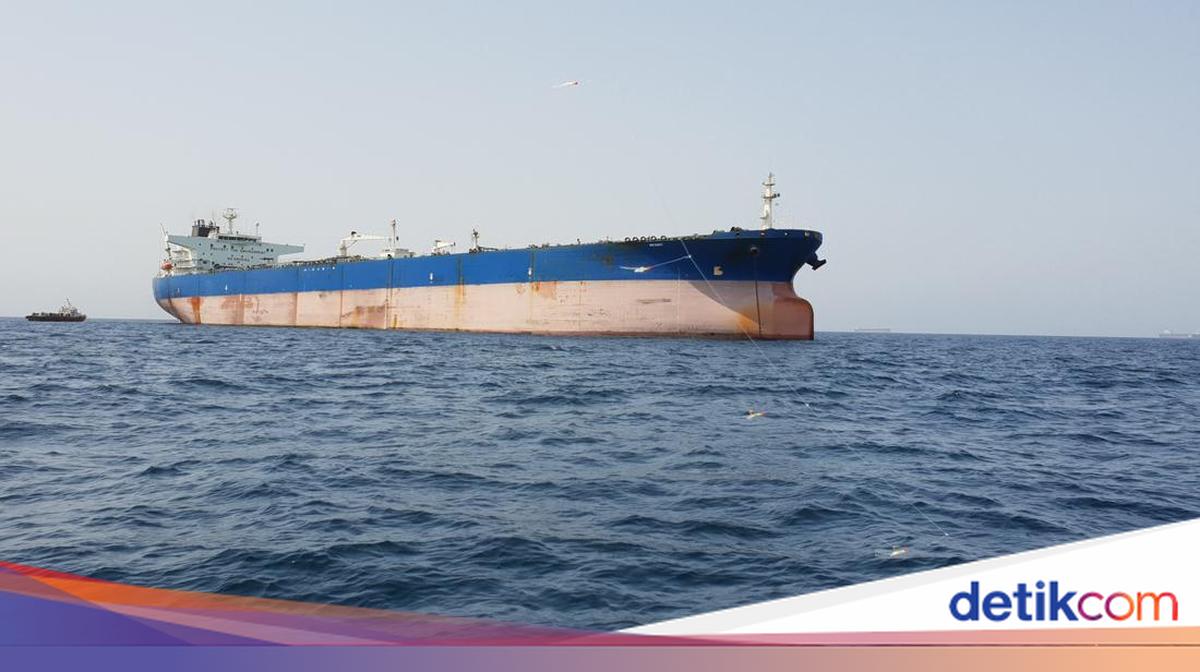
The primary driver for this urgent diplomacy is the Strait of Hormuz. This narrow waterway is the world’s most critical oil passage. When Iran threatens or enacts a closure, energy prices do not just rise—they spike violently. The war that began on February 28 has already sent energy costs soaring, creating inflationary pressure that threatens to destabilize global markets.
The current situation can be summarized as a high-stakes gamble. Washington needs an off-ramp to stabilize the economy; Tehran needs to secure its regime’s survival after the loss of its Supreme Leader; and Pakistan needs to prove it is a global power broker.
According to analysis from CNN, the world is holding its breath for this weekend. If the talks fail, the “temporary” ceasefire will likely evaporate, leading to a renewed escalation that could permanently alter the energy landscape of the 21st century.
The global chessboard is being rearranged in real-time. The shift of diplomatic gravity to Islamabad proves that the old alliances are dead, replaced by a transactional, necessity-driven diplomacy. Whether this weekend results in a lasting peace or a brief pause before a larger storm, one thing is certain: the era of predictable geopolitical stability is over.
For those navigating this volatility, the only defense is elite expertise. Whether you require the strategic foresight of a risk analyst or the technical precision of a trade consultant, the World Today News Directory remains the definitive gateway to the international partners necessary to survive the fallout of the Great Game.