US-Iran Agreement: Trump Announces Signing, but Skepticism Lingers
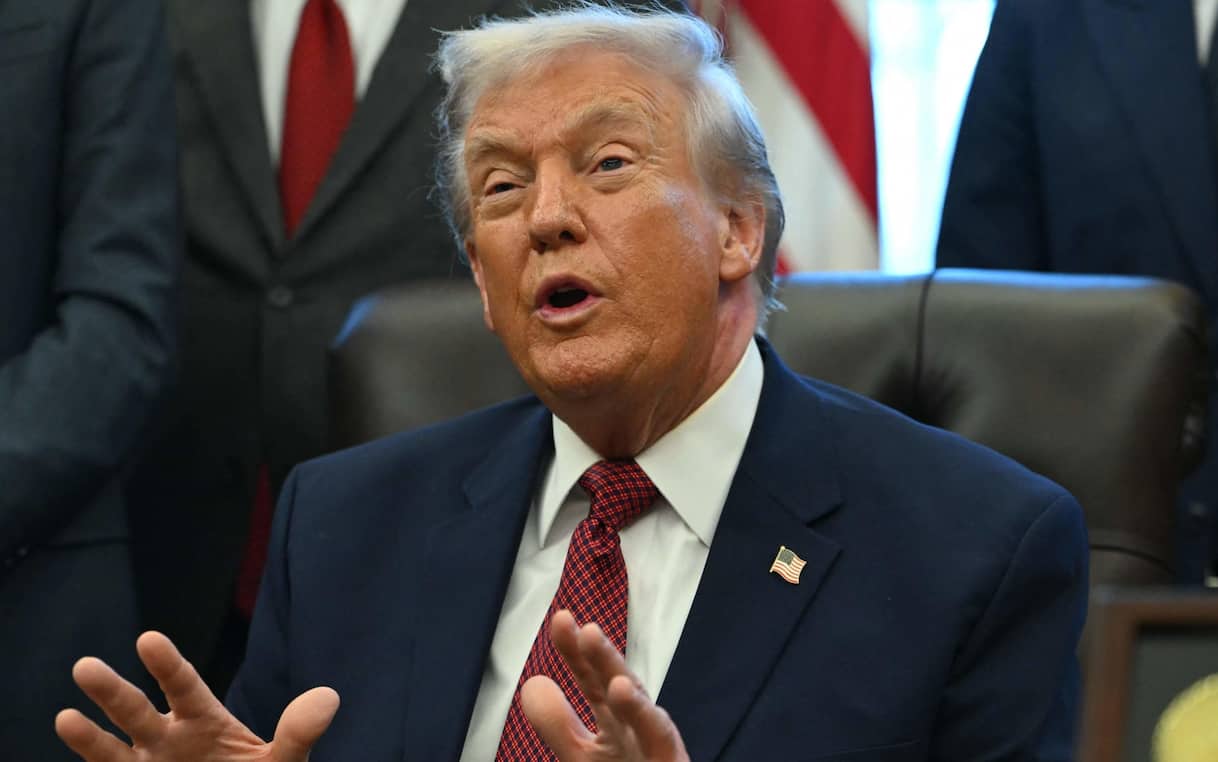
United States and Iranian officials are moving toward a potential formal agreement to de-escalate military tensions in the Persian Gulf, with President Donald Trump signaling a signing could occur as early as tomorrow. The deal aims to secure the immediate reopening of the Strait of Hormuz for global commercial shipping.
The Diplomatic Pivot: Why Hormuz Matters
The Strait of Hormuz remains the world’s most critical maritime chokepoint, through which approximately 21 million barrels of oil—nearly one-fifth of global consumption—transit daily, according to data from the U.S. Energy Information Administration. Any disruption to this artery creates an immediate, cascading effect on global energy prices and insurance premiums for maritime logistics.

President Trump’s announcement of a pending signature marks a significant shift from the high-intensity brinkmanship that has defined the Iran-U.S. posture for the last quarter. While the White House insists the agreement is imminent, Tehran has maintained a stance of calculated caution. Official Iranian statements suggest that while a framework is being discussed, internal vetting processes remain ongoing, creating a divergence in the public timeline between Washington and the Iranian leadership.
Macro-Economic Implications for Global Supply Chains
The volatility in the Persian Gulf has forced multinational firms to recalibrate their risk exposure. For corporations reliant on maritime freight, the uncertainty has acted as a de facto tax on operations. The potential for a de-escalation agreement suggests a transition from crisis management to stabilization, but the “Phase 2” of such an agreement remains opaque.

Corporate entities facing prolonged uncertainty in regional markets are increasingly turning to specialized risk advisory firms to model the impact of sudden policy shifts on their supply chains. These consultants focus on identifying alternative logistics routes and securing maritime insurance structures that remain viable even if the diplomatic thawing experiences a setback.
As noted by analysts at the World Bank, geopolitical stability is the primary variable in reducing the cost of cross-border trade. A formal agreement, if implemented effectively, would likely lead to a downward revision of shipping insurance rates, providing immediate relief to global commodity traders.
The Legal and Regulatory Landscape
Translating a political “handshake” into a binding international memorandum of understanding requires complex legal scaffolding. The current situation involves multiple layers of sanctions and counter-sanctions that cannot be dismantled overnight. Even if a signing occurs tomorrow, the implementation phase will test the administrative capacity of both governments.
Multinational companies must remain vigilant regarding the fine print of any such agreement. Compliance with international sanctions regimes is not a binary state; it is a granular legal process. Firms operating in the energy, banking, or telecommunications sectors are currently engaging international trade law experts to ensure that any resumption of trade does not inadvertently trigger secondary sanctions or regulatory non-compliance.
Comparing the Narrative: Washington vs. Tehran
The discrepancy in messaging highlights the difference between political momentum and bureaucratic reality. According to reports from Corriere della Sera, the agreement is being finalized at a distance, yet the “duel on timing” persists. This reflects a classic geopolitical strategy where Washington prioritizes the optics of a swift resolution, while Tehran utilizes a more deliberate pace to extract further concessions or manage domestic political expectations.

This “diplomatic friction” is a standard feature of high-stakes negotiations between adversarial powers, as highlighted by studies in Foreign Affairs regarding the signaling of intent in maritime conflicts. The market, however, does not favor such ambiguity. Investors typically react to the *prospect* of stability, but the *sustainability* of the agreement will be determined by the technical details of the maritime access protocols agreed upon by the respective navies.
Moving Toward Stability: Strategic Considerations
If the Strait of Hormuz opens, the immediate pressure on global oil markets will alleviate, but the underlying geopolitical rivalry will persist. Corporations should not interpret a temporary truce as a return to pre-conflict business norms. The regional security architecture in the Middle East has undergone a permanent shift, and the reliance on state-sponsored protection for commercial vessels will likely remain a cost-center for years to come.
For firms looking to protect their long-term interests in the region, establishing robust, independent intelligence and security frameworks is no longer optional. As the situation evolves, the ability to anticipate shifts in the diplomatic landscape will be the primary competitive advantage for any firm operating in the MENA (Middle East and North Africa) region.
The coming 24 hours will be critical. Whether the signatures are applied as scheduled or delayed by further negotiations, the event serves as a reminder that global trade stability remains tethered to the fragile consensus of a few key actors. Navigating this environment requires expert guidance; for those seeking to secure their operations against the next wave of volatility, connecting with the appropriate risk management and legal partners is the necessary next step.