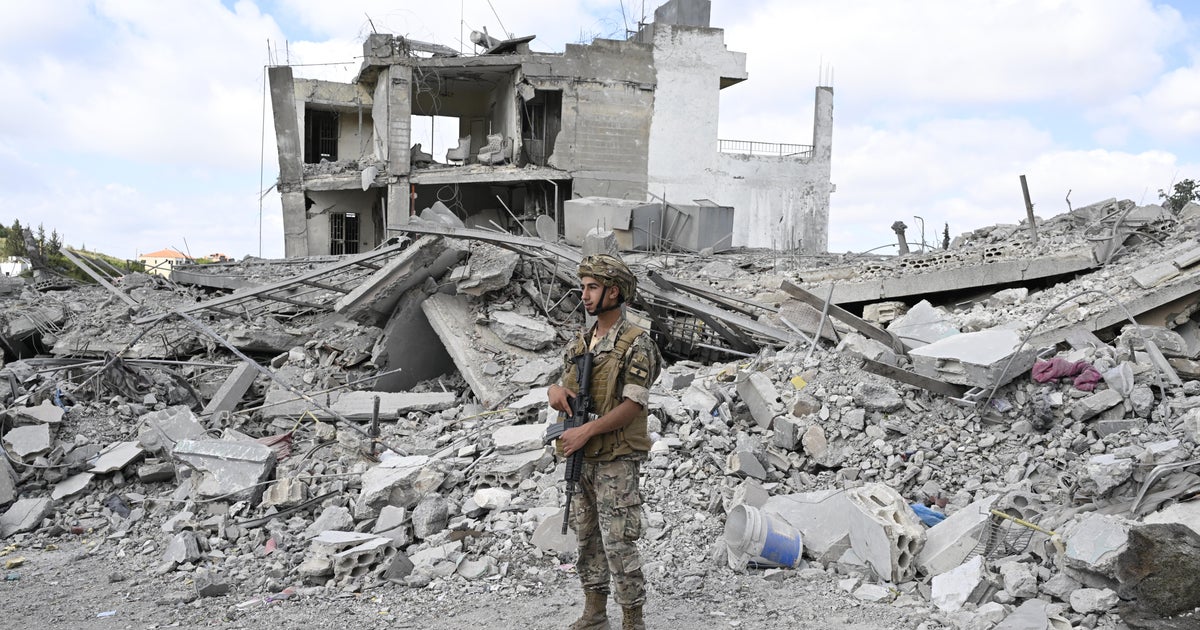
US and Iran Agree on Lebanon Ceasefire Deal, Israel to Withdraw
Israel has agreed to withdraw its military forces from Lebanon under a U.S.-brokered deal with Iran, according to Tehran’s foreign ministry, marking a potential turning point in a decades-long proxy conflict. The truce hinges on Israel’s full withdrawal from disputed border areas, including villages near the Blue Line, where Hezbollah and Iranian-backed militias have operated with near-impunity. The deal, announced June 16, 2026, follows weeks of escalating cross-border strikes that left at least 120 civilians dead in southern Lebanon. Experts warn the agreement’s success depends on enforcement mechanisms—none of which are yet publicly defined.
U.S.-Iran Deal Forces Israeli Withdrawal from Lebanon: What It Means for Hezbollah, Regional Stability, and the 2006 Precedent
The U.S. and Iran have reached an informal but critical agreement requiring Israel to withdraw its military forces from Lebanon, a development that could reshape the Middle East’s fragile balance of power. Announced by Iran’s foreign ministry on June 16, 2026, the deal follows direct negotiations in Oman, where U.S. mediators facilitated talks between Israeli and Iranian envoys. The withdrawal—expected within 30 days—targets Israeli positions in southern Lebanon, including the Shebaa Farms region, a flashpoint since the 2006 Israel-Hezbollah war.
This is not just a tactical retreat. It’s a strategic gamble. Israel’s presence in Lebanon, justified as a buffer against Hezbollah’s rocket arsenal, has been a sore point in Lebanese sovereignty for 20 years. The withdrawal could either stabilize the region—or trigger a power vacuum that empowers Iran’s proxy network further. The question now isn’t whether Israel will comply, but whether the deal holds when tested.
Why This Deal Matters: The 2006 War’s Ghost Haunts Lebanon Again
The 2006 Israel-Hezbollah war left Lebanon’s infrastructure in ruins and Hezbollah as the de facto military ruler of southern Lebanon. Today, the situation is eerily similar. Israeli airstrikes in May 2026 killed 120 civilians in Nabatiyeh, displacing 45,000 residents, according to the UN’s Humanitarian Response Plan. The withdrawal deal, if implemented, could force Hezbollah to either scale back its operations or risk direct confrontation with Lebanon’s fragile government.

“This deal is a double-edged sword. If Israel pulls out, Hezbollah loses its pretext for military dominance in the south. But if the withdrawal isn’t enforced, Iran will see this as weakness and escalate elsewhere.”
The deal’s timing is no accident. With U.S. elections looming in November 2026, Washington faces pressure to demonstrate progress in the region. The Biden administration, already strained by Gaza and Yemen, sees this as a chance to avoid another prolonged conflict. But the devil is in the details: The agreement lacks a clear mechanism for verification, raising questions about whether Israel—or Iran—will honor it.
The Unanswered Questions: What Happens If Israel Doesn’t Comply?
The lack of clarity extends to economic consequences. Southern Lebanon’s economy, already crippled by the 2020 port explosion and currency collapse, could see further destabilization if the withdrawal triggers Hezbollah retaliation. Local businesses in Nabatiyeh and Tyre—already operating at 30% capacity—face an uncertain future.

How This Deal Compares to Past Attempts—and Why It Might Fail
| Deal | Year | Key Terms | Outcome |
|---|---|---|---|
| Doha Agreement | 2008 | Hezbollah disarmament in exchange for Lebanese government concessions | Failed. Hezbollah retained arms; political deadlock persisted. |
| UN Security Council Resolution 1701 | 2006 | Israeli withdrawal from Lebanon; UNIFIL deployment | Partially successful. Israel withdrew, but Hezbollah remained armed. |
| U.S.-Iran Withdrawal Deal (2026) | 2026 | Israeli withdrawal from disputed border areas; no Hezbollah disarmament | Uncertain. Depends on enforcement and Iranian compliance. |
The 2006 resolution set a precedent: Israel withdrew, but Hezbollah’s military infrastructure remained intact. This time, the stakes are higher. Iran’s involvement is more direct, and the U.S. has less leverage in the region post-2020 Abraham Accords. The deal’s success hinges on whether Israel can trust Iran to honor it—and whether Lebanon’s government can reclaim authority from Hezbollah.
The Human Cost: Who Pays the Price in Nabatiyeh?
In Nabatiyeh, the largest city in southern Lebanon, residents are caught in the crossfire. Schools have been repurposed as shelters, and the local hospital’s ICU is operating at 150% capacity. The UN estimates that 60% of displaced families have no access to clean water, relying on aid convoys that Hezbollah controls.
“We’ve seen this movie before. The last ceasefire in 2006 led to more fighting in 2007. If Israel pulls out and Hezbollah doesn’t disarm, the cycle repeats.”
The withdrawal deal could either bring stability—or deepen the humanitarian crisis. Without international aid, Lebanon’s economy—already in freefall—could collapse further. The World Bank projects Lebanon’s GDP will shrink by 12% in 2026 if conflict persists. For businesses in the region, the uncertainty is paralyzing.
Where to Turn When the Deal Fails: Legal, Humanitarian, and Security Solutions
If the withdrawal deal collapses, Lebanon’s government will need immediate support. Here’s where professionals and organizations can step in:

- [International Human Rights Law Firms] will be critical in advising Lebanon on sovereignty claims under the UN Security Council Resolution 242, which could be invoked if Hezbollah violates Lebanese law.
- [Emergency Relief Contractors] are already mobilizing in Nabatiyeh, but coordination with Hezbollah-controlled areas remains a challenge. Organizations like UNHCR are scaling up operations, but local NGOs may need legal protection to operate.
- [Geopolitical Risk Consultants] are advising multinational corporations on supply chain risks. With Lebanon’s ports still closed, businesses are rerouting shipments through Cyprus and Jordan, increasing costs by 40%. Firms specializing in post-conflict economic recovery are in high demand.
For Lebanese citizens, the immediate need is clear: legal aid to navigate property disputes in conflict zones, humanitarian corridors to access aid, and security guarantees if Hezbollah’s influence wanes. The World Today News Directory can connect residents with verified professionals in these areas.
The Long Game: What Happens When the Cameras Leave?
History shows that ceasefires in Lebanon are temporary. The real test comes when the world’s attention shifts elsewhere. If Israel withdraws and Hezbollah doesn’t disarm, the south could become a permanent war zone. If the deal holds, Lebanon’s government may finally reclaim its sovereignty—but only if it has the resources to fill the power vacuum.
One thing is certain: The people of Nabatiyeh won’t wait for another ceasefire. They need solutions now. Whether it’s legal protection, emergency aid, or economic recovery, the professionals in our directory are ready to help. Because in the Middle East, the only constant is change—and the only way forward is preparedness.
Need verified professionals to navigate this crisis? Browse our directory for [International Law Firms], [Humanitarian Aid Contractors], and [Geopolitical Risk Consultants] equipped to handle the fallout.