
Unassisted Home Births: balancing Choice, Safety
OSLO — May 9, 2024 — The contentious topic of women choosing unassisted home births is sparking debate, prompted by recent events and a growing desire among some mothers to avoid hospitals. This practice has seen a rise despite the risks involved. While some mothers choose this route for various personal or medical reasons, authorities and healthcare professionals are increasingly concerned about the potential dangers. This piece aims to shed light on the complexities surrounding unassisted home births and the vital need for informed decisions.
The Contentious Debate Over Unassisted Home Births: Balancing Choice and Safety
A heated debate surrounds the practice of women choosing to give birth at home without the assistance of healthcare professionals. This discussion has intensified following a recent incident in the eastern part of the country were a doula and another individual were reported to the police after a baby’s death.
Did you know? The World Health Organization (WHO) supports the right of women to choose their birth setting, provided they have access to skilled birth attendants and emergency care.
Eva Rose, a doula with over 20 years of experience, reports receiving frequent inquiries from women desperate to avoid hospitals and give birth without medical intervention. I feel that everyone deserves professional health care,
Rose stated, highlighting her reluctance to support unassisted births.
The Appeal of Unassisted Births
Many women seeking unassisted home births cite traumatic hospital experiences as their primary motivation. They desire the comfort of home but lack access to midwives willing to assist in home births.
Pro Tip: Research local birthing centers and midwives who specialize in home births. Ensure they are certified and have a strong reputation for safety and care.
When women come to me and say that they want to give birth unassisted,I tell about all the risks. You don’t know if the baby is doing well during birth,
Rose explained, emphasizing the potential dangers involved.
The Directorate of Health strongly advises against planned unassisted home births. According to the Norwegian Institute of Public Health, there were 21 such births last year.

A Mother’s Viewpoint
Kristina Folkestad, a mother of four, is considering an unassisted home birth, critical of what she perceives as the increasing medicalization of childbirth. I do not want to live in a society where the normal is to cut the children out of the body of the mothers and that complications are normal. There is an increasing trend all the way,
Folkestad asserted.
Folkestad’s first hospital birth was negative, leading her to choose midwife-assisted home births for her next two children. Now residing in Hareid, Sunnmøre, where home birth midwives are unavailable, she faces the prospect of an unassisted birth in October.
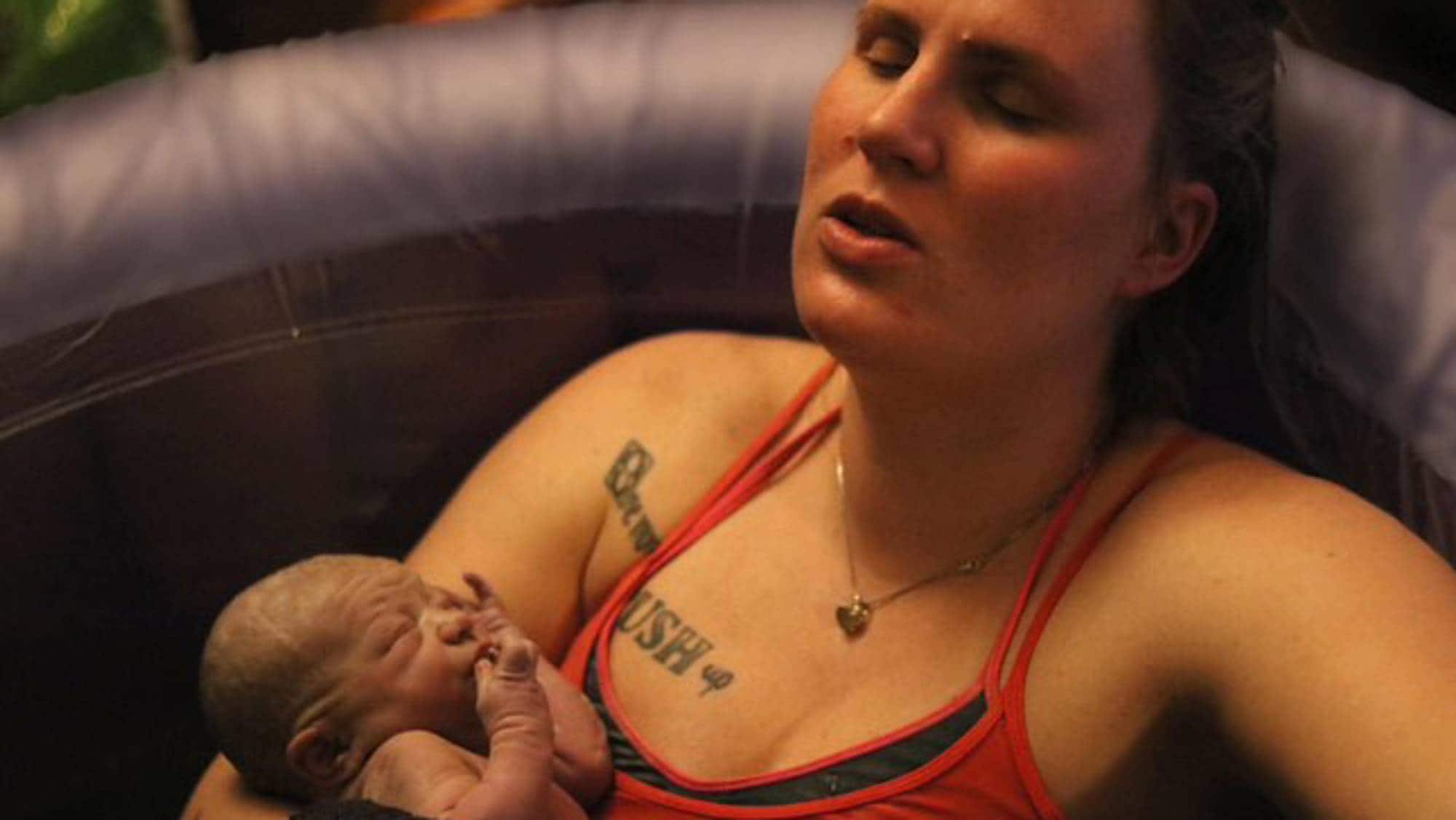
Using fear is a tool for control. There is no risk-free birth, whether you are in a hospital,
Folkestad stated, advocating for more research on unassisted births to assess potential risks accurately. She emphasizes her intention to seek hospital care if complications arise.
Doula’s Dilemma
Eva Rose recounted a past experience assisting in an unassisted home birth for a woman who had lost faith in hospitals. She acknowledges the possibility of providing support in similar situations, stating, then it is indeed better that I am there than the woman is there alone. I can actually persuade the woman to go to the hospital, if I see that something is not good.
Rose believes increasing the number of midwives in hospitals,establishing midwife-controlled units for low-risk births,and expanding home birth options are crucial steps to restore pregnant women’s confidence in the healthcare system.
No jump midwives from a nursing home to the nursery, without being able to give the time they want to remain birth,
Rose added, highlighting the need for dedicated and attentive care.
Midwife Association’s concerns
Hanne Charlotte Schjelderup of the Midwife Association expresses concern that misinformation is influencing women’s decisions to pursue unassisted births. Women can be tricked into putting their own and the child’s life at stake when they are well away from vital health care in birth care,
Schjelderup warned.
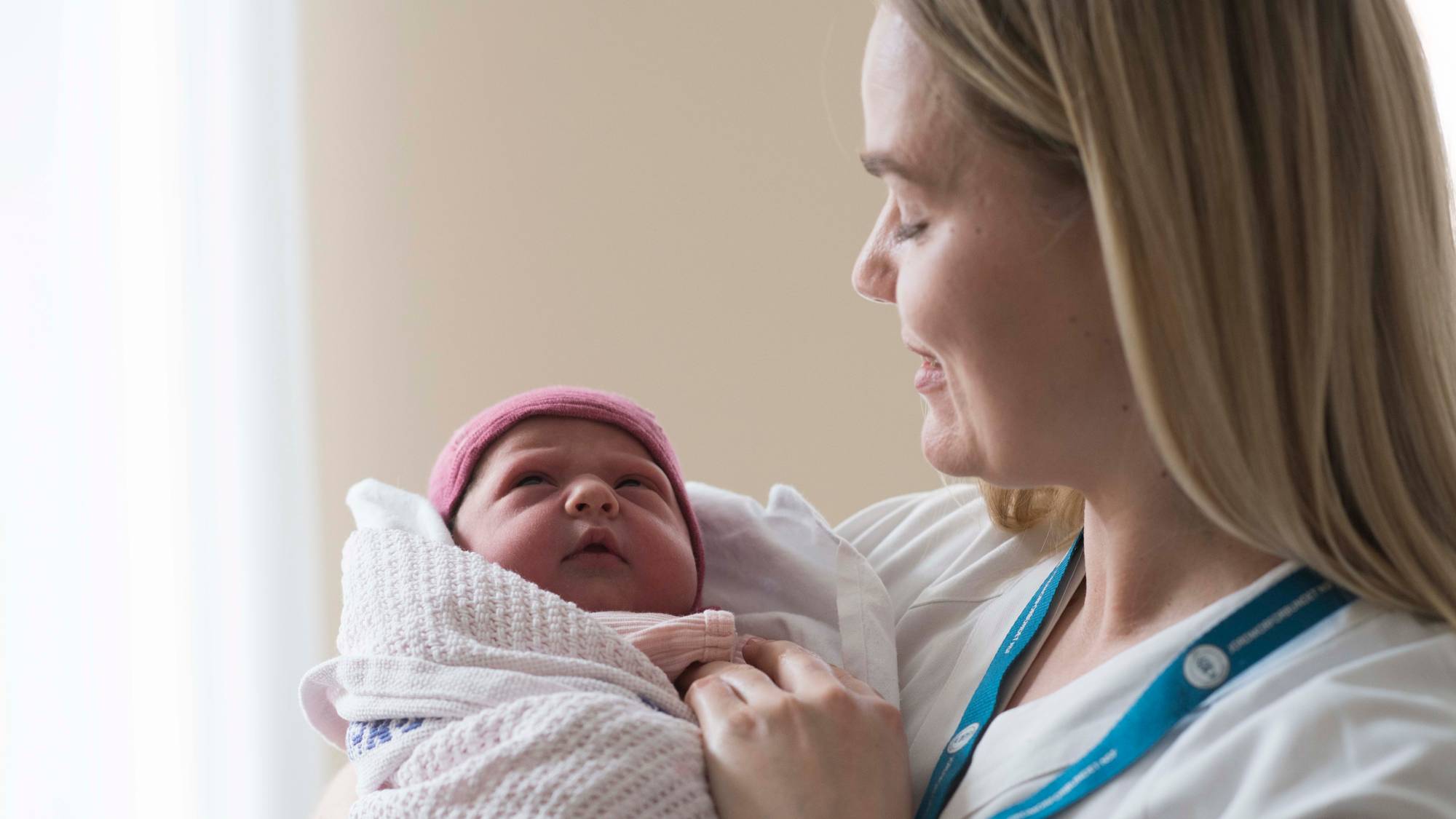
Schjelderup attributes the rise in unassisted births to maternity ward reductions and staffing shortages, which leave many women feeling unsupported in hospitals. She urges authorities to strengthen maternity care to prevent women from choosing unassisted births.
There will be cuts in vital women’s health care when the health enterprise is to save. Sadly, it goes beyond women’s health and birth care,
Schjelderup lamented.
health Minister Jan Christian vestre has requested the Directorate of Health to conduct a survey on user experiences with public maternity care.
Frequently Asked Questions
A doula is a person who provides support to a woman before, during, and after childbirth, but does not have medical training.
Reasons include traumatic hospital experiences, a desire for more control over the birthing process, and a belief that childbirth is becoming overly medicalized.
Risks include the inability to manage complications during birth,potential harm to the mother or baby,and lack of immediate access to medical care.
