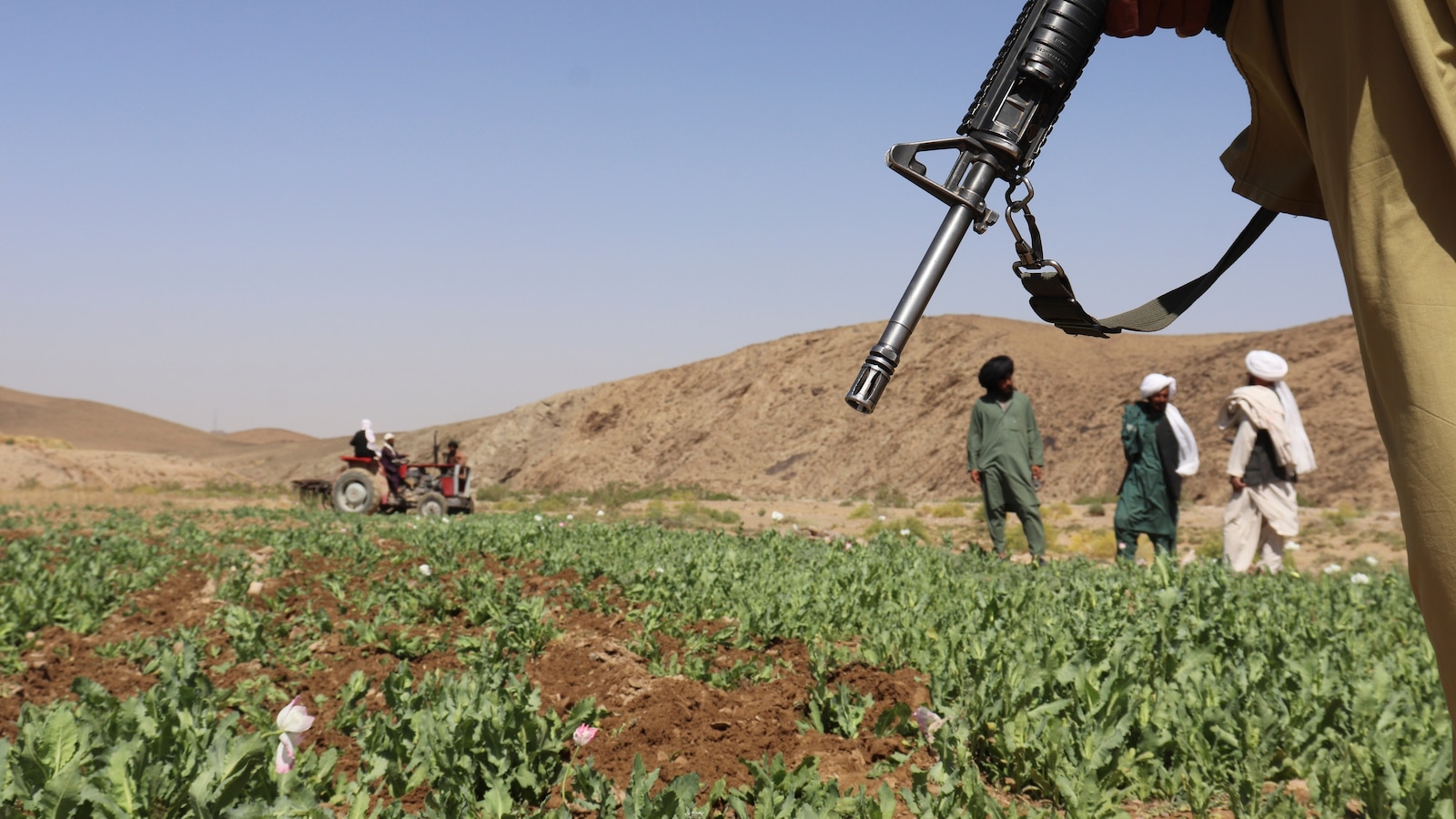
UN Reports Sharp Rise in Afghanistan Poppy Cultivation Despite Ban
Poppy cultivation in Afghanistan surged by 330% over the past year, marking the first significant increase since the Taliban imposed a narcotics ban in 2022, according to the United Nations Office on Drugs and Crime. The fresh data, published on Thursday, contrasts sharply with the sharp declines recorded immediately following the ban, revealing the severe economic pressures facing rural communities.
Surging Cultivation Numbers Against a Strict National Ban
Total opium cultivation expanded to more than 43,000 hectares (106,000 acres) in 2026, climbing steeply from 10,000 hectares (24,700 acres) the previous year. When the Taliban seized power in August 2021, Afghanistan stood as the world’s leading opium producer and a primary supplier of heroin across Europe and Asia. The administration enforced a formal prohibition in April 2022, severely disrupting hundreds of thousands of farmers and day laborers who depended on the crop for survival. Despite that prohibition, deep poverty has forced cultivators to adapt their methods to bypass detection.
Farmers are now concealing small poppy plots within ordinary cereal fields or behind high walls in family compounds. The UNODC noted that these clandestine methods highlight the extreme difficulty of suppressing illicit drug economies when impoverished agricultural workers lack viable alternatives to feed their dependents. Even with this fourfold production spike, current figures remain below the massive output levels recorded prior to the 2022 decree.
Poverty Versus Enforcement in Rural Farming Communities
UNODC Executive Director Monica Juma emphasized that the dramatic rise shows the vulnerability of rural populations facing persistent destitution. “The fourfold increase in opium poppy cultivation shows the difficulty in sustaining decreases in illicit opium cultivation when poor farmers have no alternatives to feed their families,” Juma said in a statement. She urged coordinated international investment in local farming infrastructure, alternative livelihoods, and market access.

Taliban Foreign Minister Amir Khan Muttaqi defended the administration’s record on Tuesday, characterizing the suppression of narcotics as one of the regime’s premier achievements. At the same time, Muttaqi acknowledged that domestic security measures alone cannot solve the crisis. "An effective fight against this phenomenon is a shared responsibility of both Afghanistan and the international community," Muttaqi stated, calling for strong regional cooperation against drug-trafficking networks and dedicated treatment programs for local drug addiction.
UN Officials Monitor Drug Trade Resurgence
United Nations officials cautioned that it remains too early to categorize the upward shift as a temporary fluctuation or the start of a permanent resurgence in the country’s drug trade. Continuous monitoring is underway to determine whether economic distress will permanently override government eradication efforts.