UN Framework for Climate Migration Gains Support from Over 100 Countries
More than 100 countries have formally endorsed a UN-led framework to govern climate migration, creating the first legally binding mechanism to address displacement triggered by extreme weather, rising sea levels, and ecosystem collapse. The agreement, finalized at the 2026 Global Climate Migration Summit in Geneva, aims to establish standardized procedures for cross-border relocation, financial compensation for displaced populations, and liability protocols for nations whose policies exacerbate climate risks. By 2030, the UN estimates 140 million people could be displaced annually due to climate-related disasters—making this framework a critical tool for governments, humanitarian organizations, and private sector actors.
Why This Framework Matters: The Problem It Solves
The new framework directly addresses a gaping hole in international law: there is currently no global mechanism to legally recognize or support climate migrants. Unlike refugees fleeing war or persecution—who fall under the 1951 Refugee Convention—those displaced by hurricanes, droughts, or coastal erosion have no legal status. This has left millions in legal limbo, unable to access basic services, work permits, or resettlement aid.
By June 2026, the International Organization for Migration (IOM) reports that 21 million people were already internally displaced by climate disasters in 2025 alone. The UN framework seeks to:
- Create a legal pathway for climate migrants to seek asylum or temporary protection in other countries.
- Establish a compensation fund financed by wealthy nations and corporations to support resettlement and infrastructure rebuilding.
- Mandate climate vulnerability assessments for all signatory nations, requiring them to disclose risks and mitigation plans.
Where It Hits Hardest: Regions Already on the Frontlines
The framework’s impact will vary dramatically by region, with some areas facing immediate pressure to adapt while others may see delayed effects. Here’s how it plays out on the ground:
Pacific Islands: The First Test Case
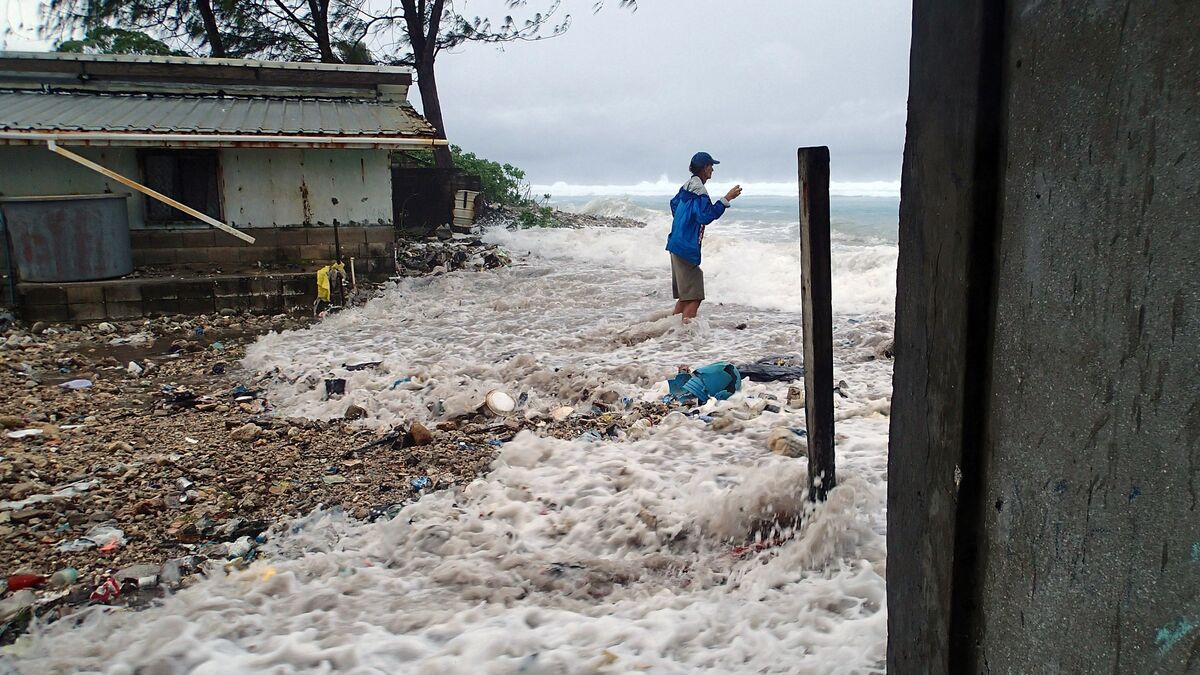
The Pacific Islands—home to nations like Tuvalu, Kiribati, and the Marshall Islands—are ground zero for climate displacement. By 2040, the World Bank projects up to 80% of Tuvalu’s landmass could be submerged, forcing entire populations to relocate. The UN framework provides a rare opportunity for these nations to negotiate preemptive resettlement agreements with Australia, New Zealand, and Canada—countries that have already expressed willingness to accept climate migrants.
“We’ve been planning for this for decades, but without a legal framework, our people were treated as economic migrants, not climate refugees,’’ said Dr. Meleki Besa, Climate Policy Advisor to the Government of Tuvalu. “This agreement changes everything. Now, we can demand compensation for the damage caused by emissions from countries that refused to act in time.’’
South Asia: A Humanitarian Time Bomb
Bangladesh, India, and Pakistan—home to over 100 million people living in climate-vulnerable zones—will be the first to test the framework’s resettlement mechanisms. The Ganges Delta, for instance, could lose 17% of its land by 2050 due to sea-level rise, displacing millions. The framework’s compensation fund is critical here, as these nations lack the resources to relocate populations internally.
“The challenge isn’t just moving people—it’s ensuring they don’t end up in slums or informal settlements,’’ said Shahidul Islam, Director of the Bangladesh Climate Change Trust. “We need infrastructure partnerships with countries like the U.S. or EU, and this framework finally gives us the leverage to negotiate those deals.’’
North America: Legal Battles Over Liability
While Pacific and South Asian nations face immediate displacement, the U.S. and Canada will grapple with legal and economic fallout. The framework’s liability clauses could expose fossil fuel companies and high-emission industries to lawsuits from displaced communities. For example, a 2025 lawsuit by Pacific Island nations against ExxonMobil and Chevron—alleging their emissions contributed to coastal erosion—set a precedent that the UN framework now codifies.

“This is a seismic shift for corporate America,’’ said Elizabeth Burke, Partner at Climate Legal Defense Fund. “Companies will need to rethink their risk management strategies, and law firms specializing in climate liability are already seeing a surge in inquiries.’’
What Happens Next: The Timeline and Sticking Points
The framework enters a two-year implementation phase, with key milestones:
- 2027: Signatory nations must submit climate vulnerability assessments to the UN.
- 2028: The compensation fund is expected to be operational, with initial disbursements to the most affected regions.
- 2030: First legal cases under the framework’s liability clauses are anticipated, likely involving fossil fuel companies and high-emission industries.
The biggest hurdle? Funding. The UN estimates the compensation fund will require $100 billion annually by 2035—far beyond the $10 billion pledged so far by wealthy nations. This gap could derail the entire framework unless private sector involvement accelerates.
The Business and Legal Solutions Already Emerging
While governments debate the framework’s details, businesses and legal firms are already positioning themselves to capitalize on—or mitigate—the fallout. Here’s where the market is moving:
1. Humanitarian Resettlement Organizations
With 140 million potential climate migrants by 2030, UNHCR and IOM are scrambling to expand their capacity. Private contractors specializing in cross-border relocation logistics—such as ICRC’s Displacement Tracking Matrix—are in high demand. For businesses operating in high-risk zones, securing partnerships with vetted relocation experts is now essential.
2. Climate Liability Law Firms
The framework’s liability clauses will trigger a wave of lawsuits against corporations and governments. Firms like Shearman & Sterling—which already represents clients in climate litigation—are advising energy companies on asset protection strategies. Developers and insurers are also consulting commercial real estate attorneys to navigate the new legal landscape, particularly in coastal and flood-prone regions.
3. Climate-Resilient Infrastructure Builders
Nations receiving climate migrants will need to invest in rapid infrastructure development. Companies like Bechtel and AECOM are already bidding on contracts to build climate-proof housing, water systems, and transport networks in host countries. Municipalities in regions like New Orleans and Miami—which have experience with climate displacement—are partnering with these firms to prepare.
The Long-Term Risk: Who Loses If This Fails?
The framework’s success hinges on two factors: political will and financial commitment. If wealthy nations fail to fund the compensation mechanism, the result could be massive, unregulated migration waves—exacerbating conflicts, straining economies, and creating a humanitarian crisis of unprecedented scale.
“This isn’t just about moving people—it’s about preventing a global security nightmare,’’ said Dr. Joyeeta Gupta, Professor of Climate Law at the University of Amsterdam. “Without proper planning, we’ll see a repeat of the Syrian refugee crisis, but on a continental scale. The businesses and governments that fail to prepare now will pay the price later.’’
The Bottom Line: Where to Turn for Answers
For governments, businesses, and individuals navigating this shift, the key is proactive engagement. Whether you’re a municipality planning for influxes of climate migrants, a corporation assessing liability risks, or an individual in a high-risk zone, the solutions are already available—but they require action now.
Need help?
- For legal guidance on climate liability, consult specialized climate law firms already handling precedent-setting cases.
- For resettlement and infrastructure planning, partner with vetted humanitarian organizations with experience in climate displacement.
- For climate-risk assessments, work with engineering firms specializing in climate-resilient design.
“The clock is ticking,’’ said Dr. Gupta. “The countries and companies that act today will determine whether this framework becomes a model for global cooperation—or another failed promise.’’