
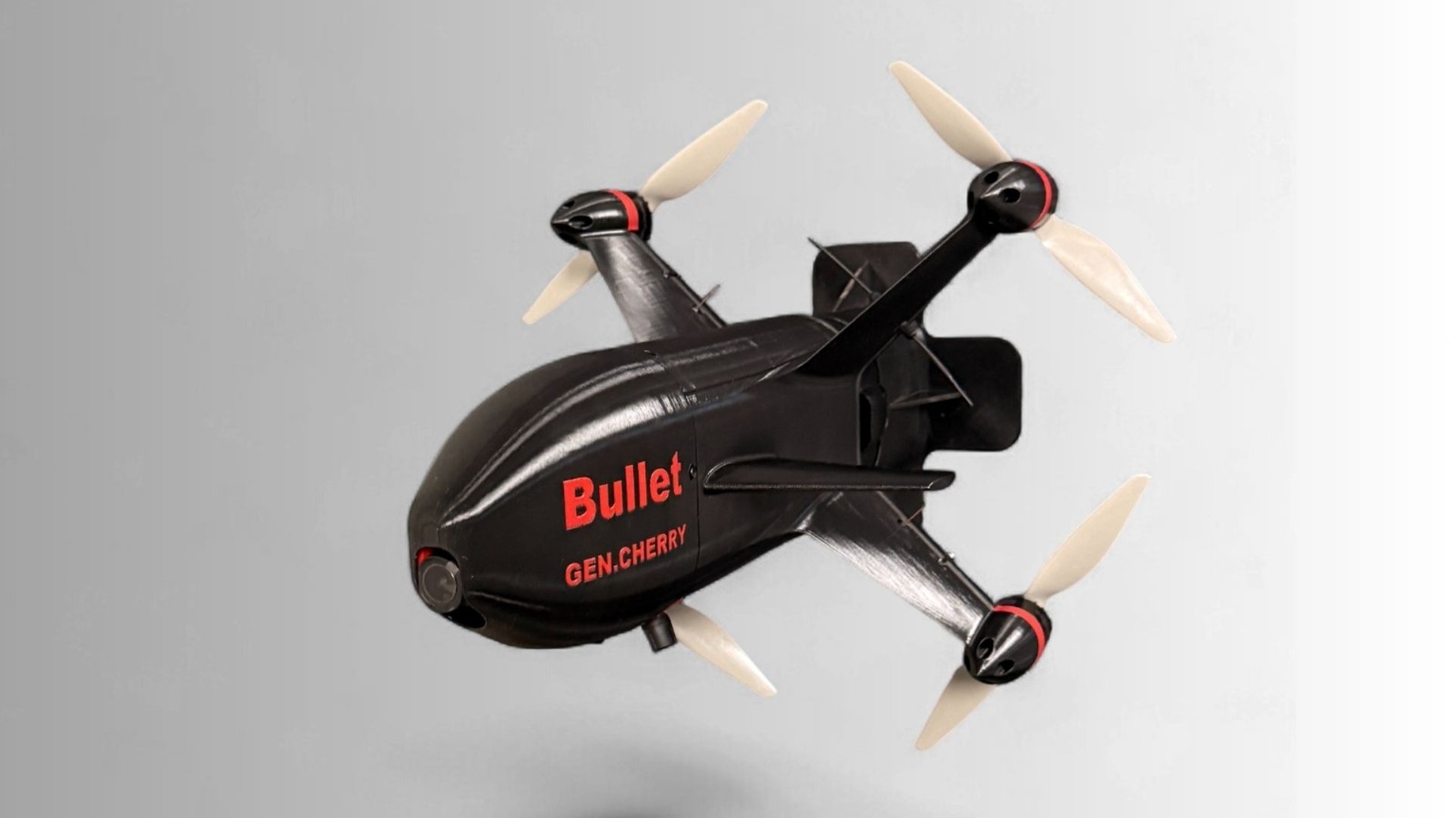
The conflict in Ukraine has dramatically underscored the transformative power of drone warfare.Interceptor drones, in particular, have emerged as critical defensive tools, demonstrating the ability to neutralize enemy aerial vehicles – even those carrying missiles.Now, Ukraine is taking its drone capabilities to the next level, boosting interceptor speeds to rival those of high-performance hypercars. Mykhailo Federov, the First Deputy Prime Minister of Ukraine, recently shared details regarding a new iteration of interceptor drones capable of reaching 400 kilometers per hour (approximately 248.5 mph).
This next-generation drone is powered by engines from Motor-G, a company operating under Brave1, the Ukrainian government’s collaborative platform for defense technology innovation. While specific engine details remain confidential, achieving this speed milestone is a significant engineering feat. To put it in outlook, the drone surpasses the top speeds of iconic hypercars like the McLaren F1, the anticipated 2026 chevrolet Corvette ZR1 (233 mph), the Ferrari SF90 Stradale (211 mph), the 2021 Pagani Huayra R (221 mph), the Lamborghini Aventador SVJ (221 mph), Ferrari La Ferrari (218 mph), and the pininfarina Battista (222 mph).
This technological leap is particularly noteworthy for a nation not traditionally considered a global leader in defense technology. However, Ukraine’s newest interceptor isn’t solely focused on outright speed; it’s designed for interception.while an Australian drone enthusiast, Benjamin Biggs, currently holds the speed record with a DIY drone reaching 407 mph according to SlashGear, that record was achieved with a machine optimized purely for velocity.Ukraine’s interceptors are engineered to actively neutralize airborne threats.
Why the Need for speed?
The drive for faster drones isn’t about setting new records; it’s about gaining a critical tactical advantage. Increased speed translates directly to faster response times to incoming attacks and a reduced risk of casualties. In a dynamic battlefield, milliseconds can be the difference between a successful interception and a devastating impact.
A Critical Shift in Ukraine’s Defense Strategy
the increased velocity of these interceptor drones comes at a crucial time. Recent reports indicate a concerning trend: a decline in the success rate of Ukraine’s drone defenses. ABC News reported that in October 2025, Ukraine neutralized only 4,242 out of 5,312 drones launched by Russia – its lowest interception rate for the year. Defense analysts attribute this to the sheer volume of drones deployed by Russia.
The escalating number of drones in Russia’s arsenal presents a significant challenge, forcing Ukraine to grapple with the economic realities of defense. As Bloomberg highlights, Ukraine’s drones are remarkably cost-effective, capable of disabling or destroying enemy equipment worth hundreds of thousands – even millions – of dollars. Though, relying solely on missiles to counter every drone or missile attack is unsustainable. A faster, more agile interceptor drone offers a more economical and efficient solution.
Russia’s response to Ukraine’s drone success demonstrates the shifting dynamics of the conflict. Reports suggest Russia is prioritizing speed over armor and firepower, even employing motorcycles and electric scooters for troop movements. The Associated Press notes that Russian suicide drones are becoming faster and flying at higher altitudes, demanding an equally agile defensive response from Ukraine. A drone capable of reaching approximately 248 mph provides a crucial countermeasure against threats like Russia’s Shahed-238 and Germany’s Geran-3 drones, which travel at around 230 mph.
The Broader Implications
Ukraine’s advancements in drone technology aren’t simply about responding to immediate threats; thay represent a fundamental shift in modern warfare. The ability to rapidly deploy and intercept aerial threats, coupled with the economic advantages of drone warfare, is reshaping the battlefield. This has forced adversaries to adapt,rethink their tactics,and invest in countermeasures.
