
US Ends Duty-Free Imports for Low-Value Packages
Millions of shipments to now face tariffs as administration acts on executive order.
The United States is halting a crucial exemption that previously allowed low-value commercial shipments to enter the country without tariffs. This significant shift affects packages valued at $800 or less, now subject to all applicable duties starting August 29th.
Executive Action Targets Global Shipments
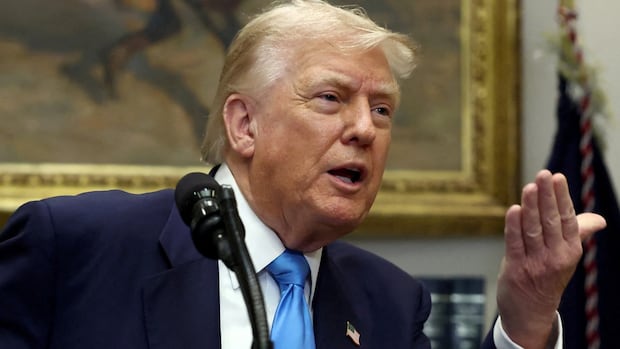
President Donald Trump signed an executive order enacting this suspension for packages sent to the U.S. outside the international postal network. While the White House noted a tax and spending bill aims to repeal the exemption worldwide by July 2027, the President is accelerating the timeline.
“Trump is acting more quickly to suspend the de minimis exemption than the OBBBA requires, to deal with national emergencies and save American lives and businesses now.”
—The White House
This executive action comes after earlier measures targeted packages originating from China and Hong Kong. The bill, referred to as the “One Big Beautiful Bill Act,” provides the legal framework for the eventual global repeal.
Postal Shipments Face New Tariff Structures
Goods processed through the postal system will encounter one of two new tariff options. These include an “ad valorem duty” equivalent to the package’s country of origin’s effective tariff rate. Alternatively, for a six-month period, a specific tariff ranging from $80 to $200 will be applied, varying by the country of origin’s tariff structure.
Dramatic Surge in De Minimis Shipments
The volume of de minimis shipments into the U.S. has seen a dramatic escalation. Between 2015 and 2024, annual shipments soared from 134 million to over 1.36 billion. U.S. Customs now processes more than four million of these low-value shipments daily.
This policy change follows a recent trend: air cargo shipment volume from Asia reportedly decreased by 10.7 percent in May after the U.S. initially cancelled the tax-free exemption for packages from China. Shipments from China and Hong Kong have since faced tariffs as high as 145 percent, though a mid-May trade détente with China saw rates fall to as low as 30 percent.
Senator Jim Banks of Indiana voiced support for the administration’s move, stating, “for too long, countries like China have flooded our markets with duty-free, cheap imports.”
Economic Impact and Future Outlook
The suspension of the de minimis exemption is seen as a measure to address national economic concerns and protect American businesses. The substantial increase in duty-free imports had raised questions about fair competition and revenue collection.
As of June 2024, the average price of consumer goods in the U.S. has seen a slight uptick, with some analysts suggesting these new tariffs could contribute to minor price increases for certain imported items. This represents a significant policy shift impacting global trade flows and consumer purchasing.
