Two Ships Cross Strait of Hormuz Following US-Iran Ceasefire Deal
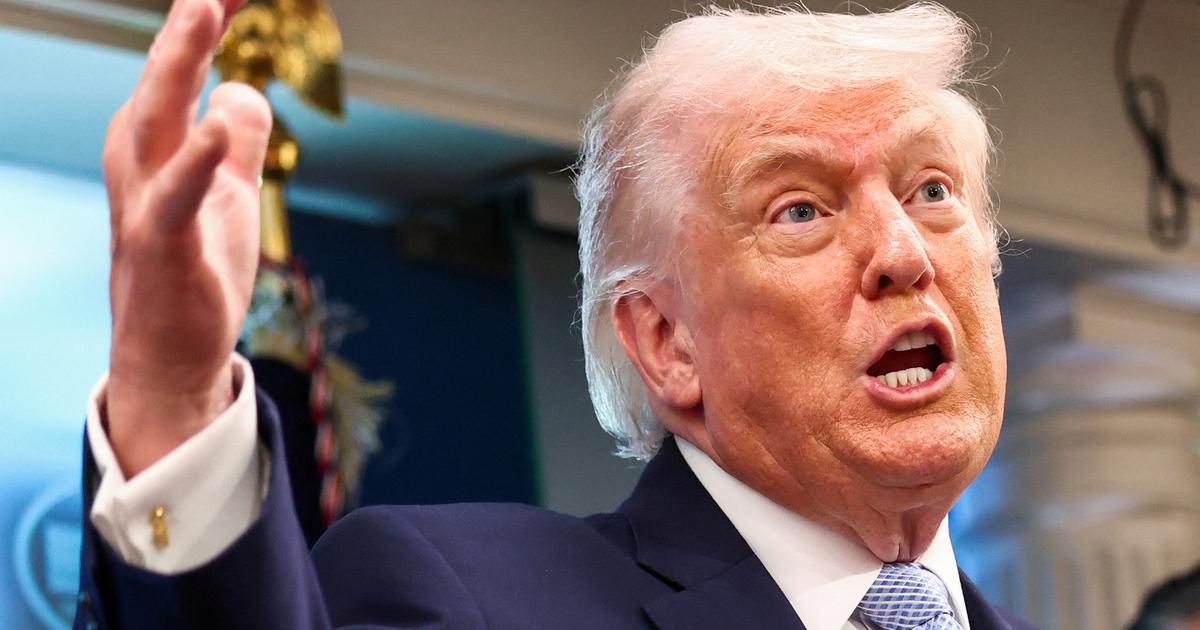
On April 8, 2026, the United States and Iran entered a pivotal ceasefire agreement, marked by the reopening of the strategic Strait of Hormuz. President Donald Trump announced a specialized operational framework to “function” with Tehran to identify and extract “buried” nuclear materials, aiming to dismantle clandestine weapons programs while stabilizing global energy markets.
The immediate relief is palpable in the shipping lanes. MarineTraffic data confirms that two major vessels have already transited the Strait of Hormuz, signaling a fragile but functioning return to maritime normalcy. But for the global economy, this isn’t just about ships moving again; it is about the volatile intersection of nuclear proliferation and the price of a barrel of crude.
The problem is transparency. For years, the “Information Gap” regarding Iran’s actual nuclear stockpile has created a geopolitical stalemate. By focusing on “buried” materials, the U.S. Is targeting the deep-state infrastructure of the Iranian nuclear program—facilities that exist off the official books. This creates a massive logistical and legal vacuum for international corporations and governments trying to gauge whether this peace is permanent or a tactical pause.
The Mechanics of Nuclear Extraction
Extracting radioactive material from reinforced, underground bunkers is not a simple diplomatic exercise; it is a high-stakes engineering feat. This process requires specialized hazardous material handling, precise geospatial mapping, and an unprecedented level of trust between the International Atomic Energy Agency (IAEA) and the Iranian military.

The geopolitical stakes are concentrated in the Persian Gulf, specifically affecting the port cities of Bandar Abbas and Dubai. As these hubs reactivate, the surge in traffic puts an immediate strain on local customs and maritime security. Businesses operating in these zones are now scrambling to update their compliance frameworks to match the shifting sanctions landscape.
“The transition from a state of active hostility to a collaborative extraction process is the most dangerous phase of any ceasefire. One technical failure at a burial site could be misinterpreted as a provocation, reigniting the conflict instantly.”
This quote comes from Dr. Arash Vahidi, a senior fellow at the Institute for Middle East Strategic Studies, who emphasizes that the technicality of “buried” material refers to centrifuge components and enriched uranium stored in deep-rock facilities like Fordow. To navigate these shifting regulatory sands, firms are increasingly relying on international trade attorneys to ensure their renewed operations in the region don’t run afoul of lingering U.S. Treasury sanctions.
Market Volatility and the Energy Corridor
The Strait of Hormuz is the world’s most important oil chokepoint. When it closes, the global economy holds its breath. When it opens, the markets exhale, but the volatility remains. The sudden shift in diplomatic posture creates a “compliance shock” for shipping companies that had diverted routes around the Cape of Quality Hope.
| Impact Area | Immediate Effect (Short-Term) | Strategic Outlook (Long-Term) |
|---|---|---|
| Oil Prices | Sharp decline in “fear premium” | Stabilization of Brent Crude benchmarks |
| Shipping | Return to Hormuz transit | Recalibration of global insurance premiums |
| Diplomacy | Direct US-Iran communication | Potential new Nuclear Non-Proliferation Treaty |
The ripple effect extends beyond oil. The sudden reopening of these lanes requires an immediate surge in port services and maritime insurance audits. Many firms are finding that their previous “war risk” policies are now obsolete, necessitating the expertise of specialized maritime insurance consultants to bridge the gap between conflict-era coverage and peacetime commerce.
The U.S. Government is leveraging the U.S. Department of State and the International Atomic Energy Agency (IAEA) to monitor this transition. The goal is not just a ceasefire, but a verifiable disarmament that prevents a nuclear arms race in the Middle East.
The Localized Fallout in the Gulf
While the headlines focus on Washington and Tehran, the real-world impact is felt in the municipal infrastructure of the Gulf states. The sudden influx of shipping traffic requires rapid scaling of port logistics and customs enforcement. Local governments are now facing a surge in demand for dredging and harbor maintenance to accommodate the return of ultra-large crude carriers (ULCCs).
the “buried” nature of the nuclear materials means that specialized environmental cleanup and waste management will be required. This isn’t just a military operation; it’s an industrial one. The need for certified hazardous waste management firms will skyrocket as the U.S. And Iran initiate the physical removal of radioactive isotopes from the Iranian plateau.
This is a precarious balance. The U.S. Is gambling that the promise of economic reintegration will outweigh Iran’s desire to maintain its nuclear leverage. If the extraction process reveals that Iran has hidden more than previously disclosed, the ceasefire could collapse within days.
“We are seeing a shift from ‘containment’ to ‘extraction.’ The legal frameworks governing this are virtually non-existent, meaning every step is being written in real-time by diplomats and engineers.”
The legal complexity cannot be overstated. We are talking about the movement of nuclear materials across borders under a temporary truce. This requires a level of precision that only the most elite global diplomatic corridors can provide. Any misstep in the chain of custody for these materials could lead to an international crisis.
Beyond the Ceasefire
The long-term relevance of this event lies in the precedent it sets. If the U.S. Can successfully extract buried nuclear assets from a hostile state, it creates a new blueprint for disarmament globally. However, the immediate priority for the private sector is risk mitigation. The transition from a war footing to a trade footing is where most companies fail—they either move too slowly and miss the opportunity, or move too quickly and trigger a sanctions violation.
The world is watching the Strait of Hormuz, but the real story is happening underground in the Iranian desert. The success of this mission depends on whether the “work” Donald Trump mentioned is based on a genuine desire for stability or a temporary tactical maneuver.
As the geopolitical landscape shifts, the difference between a corporate disaster and a strategic win lies in the quality of your network. Whether you are navigating the legal complexities of the Middle East or securing the logistics of a reopened trade route, the ability to find verified, expert professionals is the only way to manage the inherent chaos of these transitions. The World Today News Directory remains the essential bridge for those seeking the specialized legal, environmental, and logistical expertise required to survive and thrive in an era of unpredictable diplomacy.