
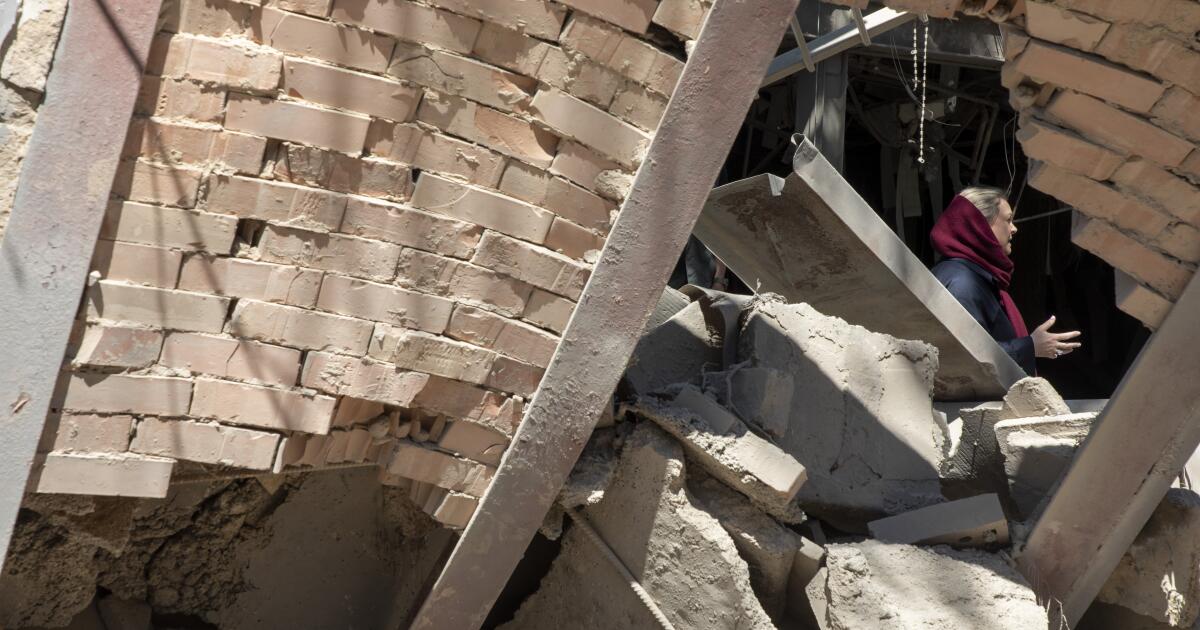
Trump Threatens Iran Infrastructure Amid Rising Cyber Activity
Iran-affiliated hackers are currently targeting critical U.S. Infrastructure, specifically sabotaging energy and water systems. This escalation follows threats from President Trump to strike Iranian power plants and bridges, signaling a dangerous cycle of cyber and physical infrastructure warfare across the United States, as confirmed by federal officials.
The vulnerability of the American grid is no longer a theoretical exercise for policymakers; it is a present-day operational crisis. When the systems that provide clean water and electricity become digital battlefields, the impact is not felt in diplomatic cables, but in the taps and power outlets of municipal neighborhoods.
This is the recent face of geopolitical conflict: the weaponization of essential services.
The Digital Siege of Essential Services
The current wave of aggression is not random. Reports indicate that Iran-linked hackers are specifically sabotaging energy and water infrastructure across the country. This focus suggests a strategic intent to cause maximum civilian disruption, targeting the highly systems that sustain urban life. By infiltrating the industrial control systems that manage water pressure or electricity distribution, these actors can create cascading failures that are tough to diagnose and even harder to repair quickly.

The risk to water infrastructure is particularly acute. Sabotage in this sector can lead to contaminated supplies or the complete loss of water pressure for thousands of residents, creating immediate public health emergencies. Similarly, attacks on the energy grid can plunge entire regions into darkness, disabling hospitals, transportation networks, and emergency services.
It is a silent war.
To combat these threats, municipal governments are realizing that legacy systems are insufficient. The urgency to secure these assets has led to a surge in demand for industrial cybersecurity firms capable of hardening SCADA systems and implementing zero-trust architectures to prevent unauthorized access from foreign state actors.
A Cycle of Infrastructure Retaliation
The timing of these cyberattacks is inextricably linked to the escalating rhetoric between Washington and Tehran. The Iranian cyber activity coincides directly with threats from President Trump to target Iran’s own critical infrastructure. Specifically, the administration has signaled a willingness to strike Iranian bridges and power plants.
This creates a volatile feedback loop. As the U.S. Threatens physical destruction of Iranian assets, Iran responds with digital sabotage of American assets. This “infrastructure-for-infrastructure” exchange moves the conflict away from traditional military targets and places the burden of risk on civilian infrastructure.
Officials have explicitly warned that Iran is attempting cyberattacks against critical U.S. Infrastructure, marking a shift from espionage to active sabotage.
The geopolitical tension is being mediated through the vulnerabilities of the Cybersecurity & Infrastructure Security Agency (CISA) monitored sectors. The relationship here is clear: the threat of physical kinetic strikes on bridges and power plants in Iran is acting as the catalyst for digital strikes on energy and water systems in the U.S.
The Municipal Vulnerability Gap
While the conflict is framed as a clash of superpowers, the actual damage occurs at the local level. Small-town water districts and regional energy cooperatives often lack the budget and technical expertise to fend off a state-sponsored hacking collective. This “vulnerability gap” means that the most isolated regions may be the easiest targets for Iran-affiliated actors seeking to prove a point to the federal government.
The economic fallout of such attacks extends beyond the immediate cost of repair. Businesses face operational shutdowns, and local governments must navigate the complex legal landscape of emergency declarations and liability. Many jurisdictions are now consulting specialized regulatory attorneys to ensure their emergency response protocols meet federal standards and to shield municipal assets from the fallout of systemic failures.
The danger is distributed, but the responsibility for defense is fragmented.
Strategic Long-Term Implications
Looking forward, this event signals a permanent shift in how national security is defined. We are entering an era where the stability of a city’s water supply is as critical to national defense as the strength of a naval fleet. The long-term impact will likely be a mandatory overhaul of how the U.S. Manages its critical utilities, moving away from fragmented local control toward a more integrated, federally supported security model.
For the private sector, this means that “cyber resilience” is no longer an IT checkbox—it is a core business continuity requirement. Companies managing energy production or water treatment are increasingly relying on infrastructure engineering consultants to redesign physical plants with “analog fail-safes” that can operate even when the digital layer is compromised.
This is not a temporary spike in tension; it is a baseline for the new normal.
The intersection of physical threats and digital sabotage creates a complex risk profile for every American business. From the energy sector to municipal governance, the need for verified, high-level expertise has never been more urgent. As these threats evolve, the only viable defense is a proactive partnership with professionals who understand the intersection of geopolitical risk and technical vulnerability.
The stability of our most basic needs—water, light, and heat—now depends on our ability to secure the invisible lines of code that manage them. Whether through the lens of The Guardian‘s reporting on the warnings or WIRED’s analysis of sabotage, the message is the same: the perimeter has vanished. To navigate this instability, finding vetted experts through the World Today News Directory is the first step in moving from a posture of vulnerability to one of resilience.