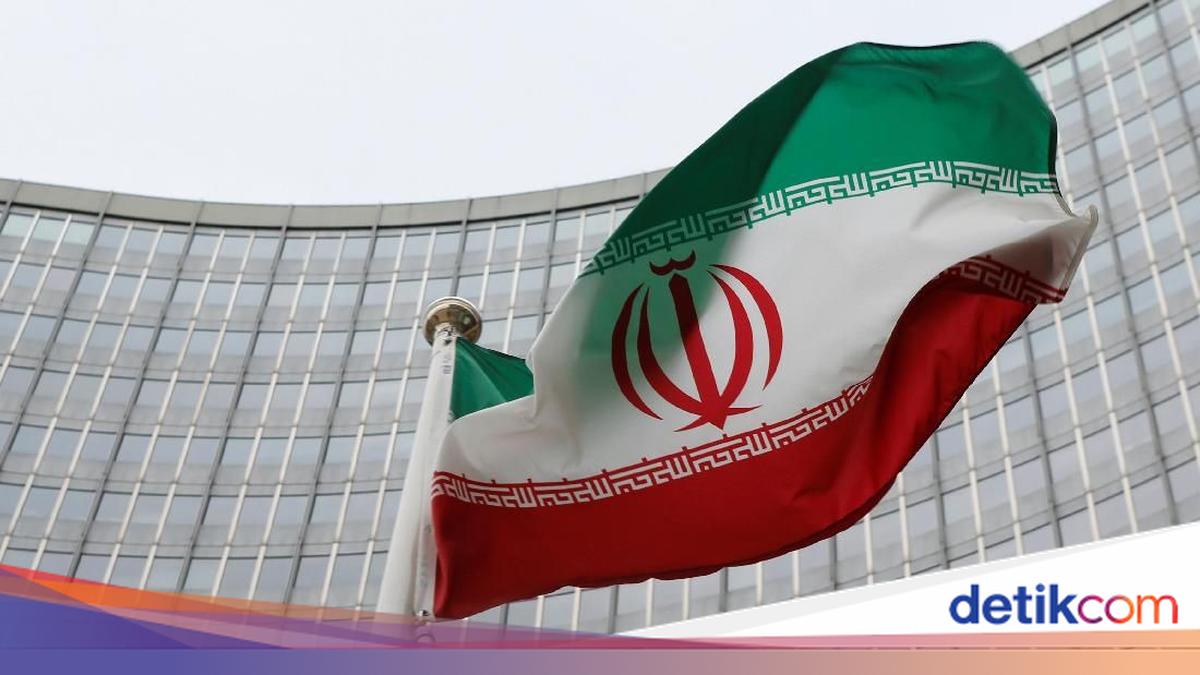
Trump Threatens Destruction of Iranian Civilization Amid Hormuz Deadline
US President Donald Trump has threatened to “wipe out” Iranian civilization in a high-stakes ultimatum centered on the Strait of Hormuz. While a precarious two-week suspension of military attacks is currently in effect, recent strikes on Kharg Island underscore a volatile escalation threatening global energy stability and international shipping.
The geopolitical chessboard has shifted from calculated sanctions to the brink of total erasure. We are no longer discussing diplomatic leverage or trade deficits; we are discussing the existential viability of a state. By threatening to destroy a “whole civilization,” the Trump administration has moved beyond traditional military doctrine into the realm of psychological warfare, designed to force an immediate and unconditional surrender of the Strait of Hormuz.
Here’s not a localized skirmish. It is a systemic threat to the global energy artery.
The Fourteen-Day Clock: A Tactical Pause
The current “peace” is a facade. President Trump has agreed to suspend bombing and attacks on Iran for a window of two weeks, but this reprieve is not an olive branch. It is a conditional ceasefire, strictly tethered to the reopening of the Strait of Hormuz. As reported by Reuters, this suspension is a tactical pause, giving Tehran a narrow window to comply before the military machinery resumes its trajectory.

For the global markets, this two-week deadline is a volatility engine. The uncertainty of whether the Strait will open—or if the deadline will trigger a catastrophic escalation—has sent shockwaves through energy futures. When the world’s most critical oil chokepoint is used as a bargaining chip, the risk is not just regional; it is planetary.
Multinational corporations with assets in the Persian Gulf are not waiting for the deadline to expire. They are currently onboarding elite global risk consultants to develop evacuation protocols and asset-protection strategies should the suspension fail.
The Hormuz Lever and the Kharg Island Signal
The Strait of Hormuz is the ultimate geopolitical chokehold. Controlling it means controlling the flow of energy to the East, and West. The Trump administration’s focus on this specific geography is a recognition that the fastest way to break Iranian resolve is to strangle its economic lifeline. However, the tension is not merely diplomatic. The recent attack on the oil center at Kharg Island serves as a brutal reminder that the US is willing to strike the heart of Iran’s export capacity even while “suspensions” are discussed.
Kharg Island is not just a piece of land; it is the lungs through which the Iranian economy breathes. An attack there is a signal that the US is prepared to dismantle Iran’s oil infrastructure piece by piece.
While CNBC highlights the conditional nature of the attack suspension, the reality on the ground is one of preparation for total war. Iran, for its part, claims to be ready to face these threats, employing what some describe as a “digital diplomacy” strategy—using information warfare and digital narratives to project strength and resilience to the global community.
This strategic ambiguity—where the “key” to the Strait is metaphorically lost in a pot of diplomatic confusion—creates a vacuum of certainty. For shipping conglomerates, this vacuum is a nightmare. The sudden potential for closure or conflict means that maritime insurance premiums are skyrocketing, forcing firms to seek counsel from specialized international trade lawyers to navigate force majeure clauses and liability shifts in their shipping contracts.
Macro-Economic Contagion: Beyond the Gulf
The threat to “wipe out a civilization” carries implications that extend far beyond the borders of Iran. If the Strait of Hormuz remains closed or becomes a combat zone, the resulting oil price spike would trigger a global inflationary spiral, impacting everything from agricultural costs in South Asia to manufacturing overheads in Europe.
The power dynamics are clear: the US is leveraging its absolute military superiority to force a structural change in regional transit. But this “maximum pressure” approach creates a fragile environment. If Iran perceives the threat as truly existential, the incentive to maintain the Strait’s openness vanishes, replaced by a “scorched earth” policy that would cripple global trade for years.
As the deadline nears, the global supply chain is facing a crisis of predictability. Logistics managers are scrambling to find alternative routes and storage solutions. This has led to an urgent surge in demand for specialized logistics firms capable of rerouting massive volumes of energy and goods away from the Persian Gulf to avoid the fallout of a potential “civilization-ending” conflict.
The Architecture of Escalation
The rhetoric used by the Trump administration, as documented by The New York Times, suggests a departure from the “containment” strategies of previous decades. We are seeing a shift toward “eradication” rhetoric. This is designed to shock the Iranian leadership into a state of paralysis.
However, history shows that existential threats often produce the opposite effect: a hardening of resolve and a willingness to take irrational risks. The “digital diplomacy” Iran is currently deploying is an attempt to build a coalition of global opinion against what it portrays as an unprecedented American aggression.
The world is now watching a ticking clock. Two weeks of suspended bombing. One critical strait. One civilization under threat.
Whether this ends in a negotiated opening of the Hormuz Strait or a catastrophic military engagement, the global order is being rewritten in real-time. The era of cautious diplomacy has been replaced by the era of the ultimatum. For the B2B sector, the lesson is clear: geopolitical stability is a luxury, and the only real defense is a diversified, risk-hardened operational structure.
The shifting global chessboard demands more than just news; it requires a strategic roadmap. As the tension in the Persian Gulf redefines the limits of international law and economic security, the need for vetted, high-level expertise has never been more acute. To navigate these turbulent waters, the World Today News Directory remains the definitive resource for connecting global enterprises with the international legal, financial, and security partners necessary to survive the next great geopolitical shock.