
US Actions Sever Cuba’s Oil Lifeline from Venezuela
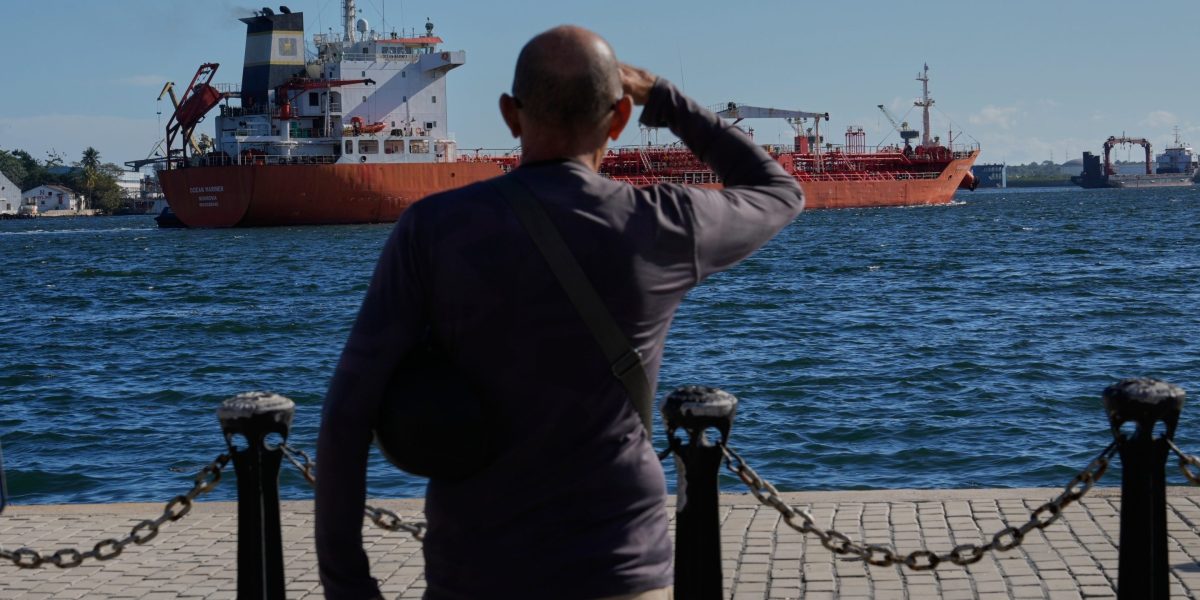
Recent actions by the United States, including the seizure of oil tankers, have effectively cut off Cuba’s access to Venezuelan oil, a critical resource that has long sustained the island nation’s economy. This move comes amidst a broader effort to control the production, refining, and global distribution of Venezuelan oil, and signals a significant shift in US policy towards both Cuba and Venezuela.
The End of a Decades-Long Relationship
For years,Cuba has been heavily reliant on subsidized oil shipments from Venezuela. This relationship, forged under Hugo Chávez and continued by Nicolás Maduro, provided Cuba with a vital energy source and a crucial economic lifeline. In return, Cuba provided Venezuela with doctors, security personnel, and other forms of assistance. Former President Donald Trump, however, has taken a hard line against both regimes, aiming to dismantle the economic ties that have kept them afloat.
Trump announced on social media that Cuba’s reliance on Venezuelan oil and financial support was over,stating,“THERE WILL BE NO MORE OIL OR MONEY GOING TO CUBA – ZERO!” He suggested cuba negotiate a deal,though the nature of that deal remained unspecified.This statement reflects a broader strategy of economic pressure intended to force political change in Cuba.
Cuban Response and Allegations of Casualties
The Cuban government has responded strongly to the US actions, alleging that 32 of it’s military personnel were killed during the operation that led to the disruption of Venezuelan oil shipments. These personnel, drawn from Cuba’s main security agencies, were reportedly stationed in Caracas as part of a bilateral security agreement between Cuba and Venezuela. AP News reported on these claims,highlighting the escalating tensions between the two countries.
US Justification and Assertions of Protection
Trump justified the actions by stating that venezuela no longer needs protection from “thugs and extortionists,” asserting that the United States, with its “most powerful military in the World,” will now provide that protection.This statement underscores the US’s commitment to supporting a change in leadership in venezuela and its willingness to exert military and economic influence to achieve that goal.
The former president also responded positively to a suggestion that his former colleague, Marco Rubio, might become the president of Cuba, signaling a desire for a complete overhaul of the Cuban political system.
A Pre-Existing Economic Crisis in Cuba
The disruption of venezuelan oil supplies comes at a notably arduous time for Cuba, which was already grappling with its worst economic crisis in decades. Severe blackouts, long lines at gas stations and supermarkets, and widespread shortages of essential goods were already commonplace before the recent US actions. the loss of Venezuelan oil is expected to exacerbate these problems substantially.
The US embargo, in place for decades, has already severely restricted Cuba’s access to international trade and finance. Trump previously stated that the cuban economy would further deteriorate with the removal of maduro from power, a prediction that now appears to be unfolding.
The Broader Context: US Policy Towards Venezuela
These actions are part of a larger US strategy to destabilize the Maduro regime in Venezuela and restore a democratically elected government. The US has imposed sanctions on Venezuelan officials, seized Venezuelan assets, and recognized opposition leader Juan Guaidó as the legitimate president of Venezuela.The seizure of oil tankers is a direct attempt to cut off a major source of revenue for the Maduro government.
The US has also been actively working to increase oil production from other sources, including Saudi Arabia and other OPEC members, to offset the loss of Venezuelan oil on the global market. AP News details the complexities of controlling global oil distribution in this context.
Looking Ahead
The future of Cuba’s economy remains uncertain. Without Venezuelan oil, the island nation will face even greater economic hardship.The Cuban government will likely seek alternative sources of energy and financial support, but these may be difficult to secure given the US embargo and the country’s political isolation. The situation also raises humanitarian concerns, as the economic crisis could lead to increased poverty, hunger, and social unrest.
The US’s continued pressure on both Cuba and Venezuela is likely to further escalate tensions in the region. Whether this strategy will ultimately succeed in achieving its goals of political change remains to be seen.
