
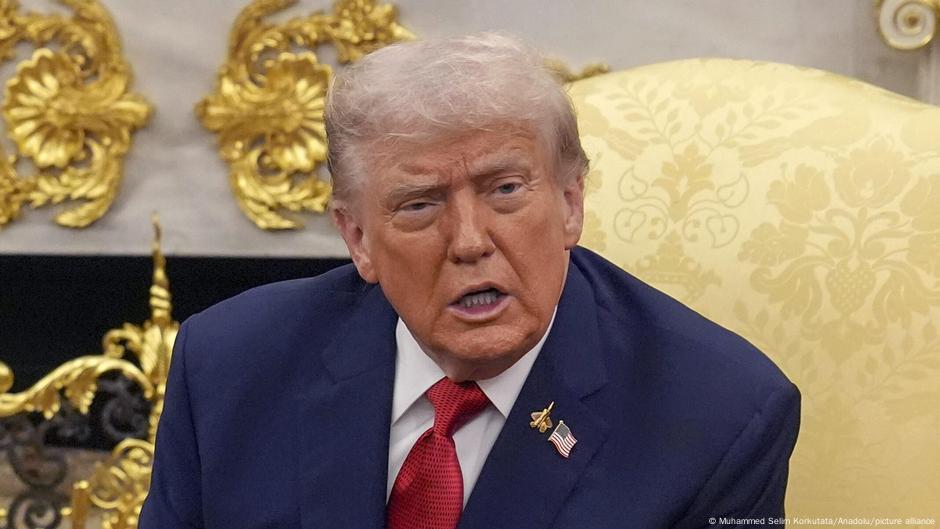
Trump Signals Openness to Extending New START Nuclear Treaty
WASHINGTON D.C. – October 5, 2025 – U.S. President donald Trump indicated Sunday he is willing to consider a one-year extension of the New START treaty, the last remaining nuclear arms control agreement between the United States and Russia. The treaty, set to expire on February 5, 2026, currently limits both nations to a maximum of 1,550 nuclear warheads and 700 deployed ballistic missile systems.
“It truly seems to me an excellent idea,” Trump told reporters at the White House before departing for a U.S. Navy celebration in Virginia. He offered no further details regarding ongoing or potential negotiations surrounding the extension, initially proposed by Russian President Vladimir Putin on September 22nd.
the offer from Putin came after U.S. Vice President Jd Vance stated Washington was considering a request from Ukraine for missiles capable of reaching Russian territory, including Moscow.Reports suggest Kyiv may receive Tomahawk missiles, possessing a range of 2,500 kilometers, potentially placing all of European Russia within striking distance.
Putin warned in a video released sunday by Russian state television reporter Pavel Zarubin that supplying such weapons to Ukraine “will lead to the destruction of our relations” with the United States, or “at least to the positive trends that have arisen in them.”
Russia’s ambassador to the United Nations, Vassily Nebenzia, stated last week that Moscow is awaiting a response to Putin’s offer, wich was initially presented during a Russian Security Council meeting. Putin clarified at the time that the extension would be contingent on reciprocal action from the U.S., stating it requires the U.S.to refrain from actions that undermine the current balance of deterrent capabilities.
Russia previously signaled a lack of interest in renewing New START, and suspended its participation in the treaty on February 21, 2023, preventing Western inspections of Russian nuclear facilities.
the New START treaty, originally signed in 2010, remains a crucial element in maintaining strategic stability between the two nuclear superpowers.
(DZC/Efe/Reuters)
