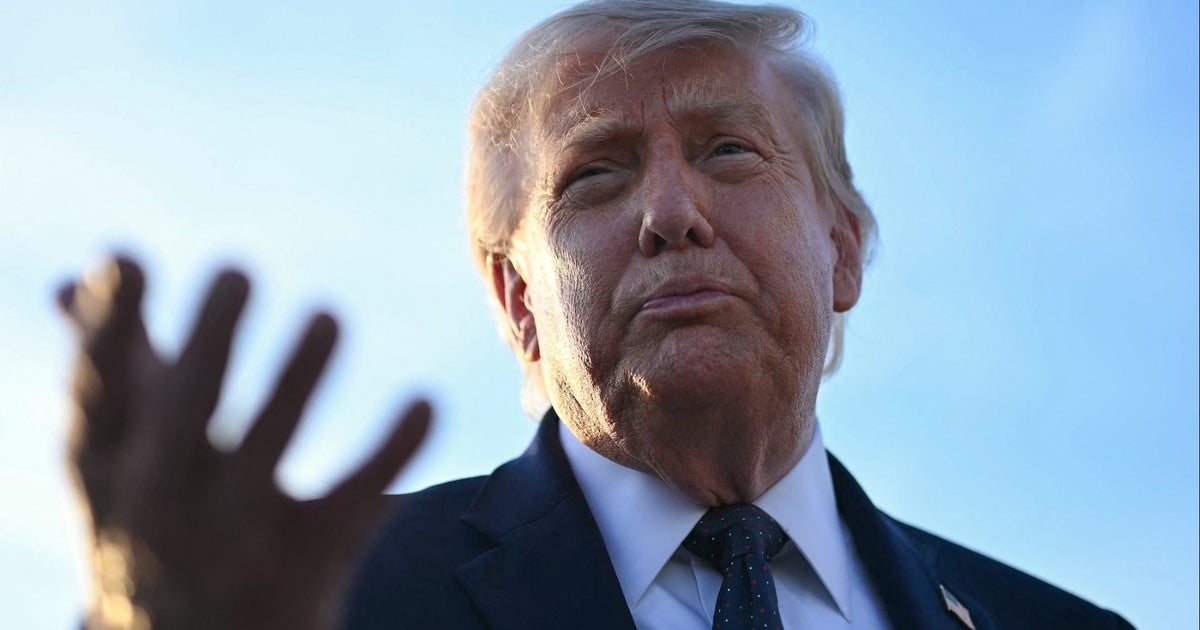
Trump Says Iran Should Have Ballistic Missiles Amid Negotiations
President Donald Trump has shifted his stance on Iranian military capabilities, recently stating that Tehran should be permitted to possess ballistic missiles. This pivot comes as the administration seeks to negotiate a formal agreement to wind down active hostilities in the region, marking a departure from previous U.S. efforts to curb Iran’s missile development under the Joint Comprehensive Plan of Action (JCPOA) framework.
Strategic Reversal in Tehran Negotiations
The administration’s current posture signals a willingness to trade traditional non-proliferation benchmarks for broader geopolitical concessions. Historically, the U.S. government viewed Iran’s ballistic missile program as a primary threat to regional stability, often citing United Nations Security Council Resolution 2231, which called upon Iran to refrain from activities related to ballistic missiles designed to deliver nuclear weapons. By publicly suggesting that such weaponry may be acceptable, the White House is signaling a shift toward a transactional diplomatic model.

This approach forces regional stakeholders to reconsider their security postures. As supply chains and defense contracts fluctuate in response to this policy, businesses and logistics firms are increasingly turning to international trade law experts to assess how shifting sanctions regimes will impact their cross-border operations.
The shift in rhetoric regarding ballistic missile proliferation is not merely a change in tone; it represents a fundamental recalibration of U.S. regional security architecture. If the administration proceeds with this framework, the vacuum created by the absence of former missile-related sanctions will require a new, highly specialized approach to regional risk management.
Economic and Security Implications for Regional Partners
The potential for a new agreement with Tehran has introduced significant volatility into regional markets. Analysts tracking the U.S. Energy Information Administration data note that any normalization of relations with Iran could fundamentally alter global oil supply projections. For local municipalities and corporations operating in high-risk zones, the uncertainty surrounding these negotiations creates immediate logistical hurdles.

Managing the fallout of such a policy reversal requires more than just political monitoring. Organizations dealing with international compliance are currently seeking guidance from global risk assessment firms to determine the long-term viability of their regional infrastructure investments.
| Policy Metric | Previous Stance | Current Stance (June 2026) |
|---|---|---|
| Ballistic Missile Program | Strict Prohibition | Acceptance/Negotiable |
| Regional Diplomacy | Maximum Pressure | Transactional Engagement |
| Primary Objective | Total Non-Proliferation | Conflict De-escalation |
The Regulatory Vacuum and Corporate Compliance
As the clock ticks toward formal negotiations, the legal landscape surrounding international commerce in the Middle East is becoming increasingly complex. Companies that previously relied on strict adherence to U.S.-led sanctions are finding that their internal compliance protocols may soon be obsolete. The ambiguity surrounding which specific missile components might remain restricted versus which are now “acceptable” places a heavy burden on private sector legal teams.
Entities currently navigating these transitions are prioritizing the retention of corporate compliance officers to ensure that their actions remain consistent with both evolving executive orders and international maritime law.
The transition from a policy of containment to a policy of open-ended negotiation leaves a significant void in the regulatory enforcement space. Corporations cannot afford to wait for the final ink to dry on a treaty before adjusting their risk profiles.
Looking Ahead: The Long-Term Regional Impact
The pivot in Washington reflects a broader trend toward prioritizing immediate conflict resolution over long-term strategic containment. While this may provide a temporary reprieve from active military engagement, it creates a new set of challenges for the regional security balance. The coming months will likely see a flurry of diplomatic activity as both the U.S. and Iran attempt to define the boundaries of this new, more permissive arrangement.

For the average business owner or international investor, the current environment is one of extreme caution. As the administration continues to refine its position, the necessity for expert guidance has never been higher. Whether it is navigating the nuances of new trade agreements or ensuring that corporate assets are protected against shifting geopolitical winds, the role of qualified, vetted professionals is essential. Those needing to secure their interests in this evolving climate should consult with verified experts through the World Today News Directory to ensure they have the support required to manage the risks of an uncertain future.