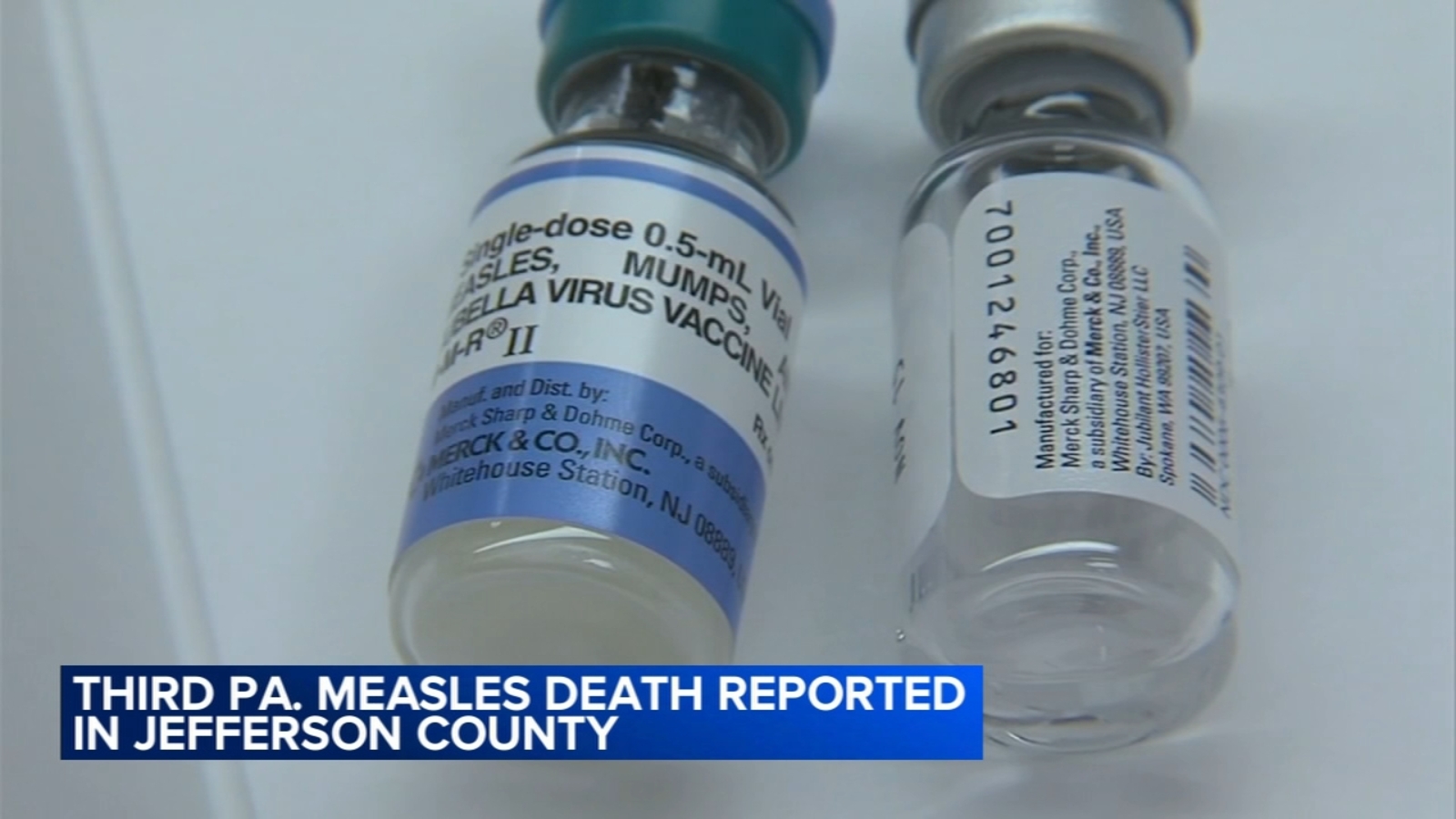
Pennsylvania Reports Third Measles Death Amid US Resurgence
Pennsylvania recorded its third measles-related death of 2026 after a 40-year-old Jefferson County resident died from infection complications on September 12. The United States faces its largest measles resurgence in 35 years, with thousands of confirmed cases reported nationwide by federal health officials.
A Fatal Complication in Jefferson County
The latest fatality involves a 40-year-old woman residing in Jefferson County, who succumbed to complications associated with the virus on September 12, 2026, according to a public statement released by Jefferson County Coroner Greg Furlong. The coroner’s office is coordinating closely with the Pennsylvania Department of Health to review the circumstances of the case, though officials confirmed that no additional identifying information regarding the patient will be disclosed to protect family privacy.
Jefferson County Chief Deputy Coroner and Public Relations Officer Jason Stiver emphasized that the tragic outcome serves as a stark reminder that the virus is not restricted to pediatric populations. “While cases of severe illness remain uncommon, this tragedy highlights that measles should not be taken lightly,” Stiver stated, pointing toward public health measures, early symptom recognition, and prompt consultation with medical providers as vital defenses.
This mortality follows closely behind two other viral fatalities recorded in Pennsylvania during August 2026. Those earlier cases involved infants who were too young to receive the standard inoculation, as the initial dose of the measles, mumps, and rubella vaccine is typically administered when a child reaches 12 to 15 months of age.
Broad Scope of the Pennsylvania Outbreak and National Resurgence
State health authorities reported that Pennsylvania has logged 676 confirmed cases of the virus across 37 counties over the course of 2026. These infections have triggered 124 hospitalizations statewide. Of all individuals who contracted the illness, state officials noted that only four patients—representing less than 1% of the total—were fully inoculated.
The infection wave extends far beyond state lines. According to tracking data provided by the Centers for Disease Control and Prevention, the United States has documented 3,387 cases overall in 2026, marking a significant escalation from the 2,286 cases reported across the entirety of 2025.
Pennsylvania and South Carolina currently bear the heaviest burden in the ongoing national surge, logging 676 and 671 cases respectively. Utah follows closely behind with 518 reported infections. Meanwhile, public health agencies in Texas, Virginia, Wisconsin, Florida, Ohio, and Arizona have each recorded upwards of 100 cases as the highly contagious respiratory infection continues to circulate.
Public Health Infrastructure and Clinical Response
Managing widespread infectious disease outbreaks places an immense operational strain on regional clinics, municipal health departments, and clinical laboratories. Local healthcare administrators emphasize that early intervention and rapid testing protocols remain essential for containing viral spread within affected zip codes. Families seeking guidance on exposure risks, diagnostic testing, or immunization schedules routinely turn to vetted resources to locate accredited medical professionals in their area.
Furthermore, local municipalities coordinating emergency response efforts often rely on specialized services to manage community outreach and distribute clinical updates. As state departments of health continue monitoring transmission chains across dozens of counties, timely coordination between regional hospitals and public agencies remains critical to safeguarding vulnerable populations.
As the national resurgence pushes total case counts well past prior years, health officials urge residents to monitor symptoms closely and verify their immunization status with qualified practitioners. Finding reliable, localized medical support through trusted directories ensures that communities can respond swiftly to ongoing public health threats.